

Ammonium Polyphosphate Exporter Supplier: Key Factors for Reliable Sourcing
2026-06-30
Sourcing ammonium polyphosphate isn’t just about ticking a box on a purchase order—it’s about securing consistent performance in every flame-retardant formulation. With X.X.F.R serving global markets, we’ve seen firsthand why some supply chains crumble under pressure while others thrive. So, before you lock in your next shipment, ask yourself: what really separates a transactional supplier from a strategic partner? This post unpacks the non‑negotiables—quality specs, logistical agility, and the often‑overlooked red flags that can haunt your production line. Let’s dig in.
Understanding Ammonium Polyphosphate Grades and Their Impact on Your Application
Ammonium polyphosphate (APP) isn't a one-size-fits-all flame retardant. Its performance hinges on the specific grade you choose, primarily differentiated by chain length and polymerization degree. Short-chain APP, often with a lower phosphorus content, dissolves more readily in water. This makes it suitable for water-based coatings or treatments where uniform dispersion is critical, but it may leach out over time in humid environments.
Long-chain APP grades, carrying a higher degree of polymerization, offer limited water solubility and enhanced thermal stability. They form a robust char layer upon exposure to heat, which insulates the underlying material. However, these variants can be more challenging to incorporate into certain matrices without proper compounding, potentially affecting the mechanical properties of the final product if not finely tuned.
Beyond polymerization, particle size distribution and surface treatment also play underestimated roles. Finely micronized APP blends seamlessly into thin coatings or fibers, preserving surface smoothness, while coarser grades might provide better fire performance in bulkier substrates like rigid foams. Silane-coated or encapsulated grades further improve moisture resistance and compatibility with polymers, preventing premature degradation. Matching these attributes to your specific substrate and processing method is what turns a standard formulation into a reliable, durable solution.
How to Verify Supplier Credentials Beyond ISO Certifications
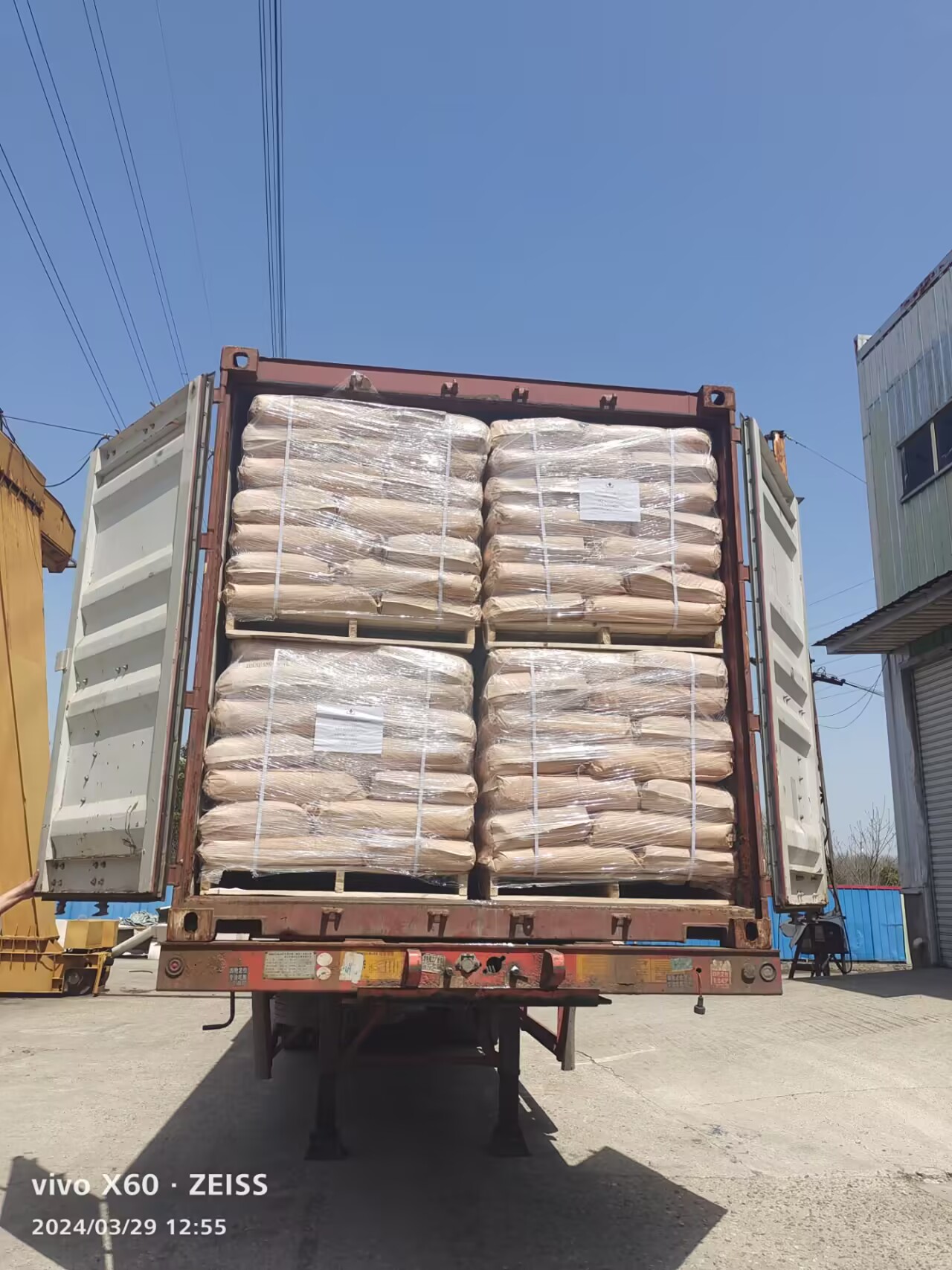
ISO certifications are a good starting point, but they rarely tell the full story. These standards often focus on process consistency rather than actual performance or ethical behavior. A supplier can hold an ISO certificate while still cutting corners on quality, violating labor laws, or causing environmental harm. To truly verify credibility, you need to dig into their operational track record, financial stability, and real-world compliance history. This means looking beyond the paper credentials and examining how they actually run their business day to day.
One effective method is to conduct unannounced site visits or hire third-party auditors who specialize in your industry. These auditors can observe working conditions, interview employees away from management, and inspect raw materials and finished goods for quality inconsistencies. You should also request trade references from their clients, especially those in your sector, and follow up with detailed questions about delivery delays, defect rates, and dispute resolution. Public records like port shipment data, litigation history, and credit reports can reveal red flags that a glossy brochure never will.
A deeper layer of verification involves evaluating their supply chain transparency. Ask for documentation on where they source their raw materials, and verify these claims through blockchain traceability tools or chemical testing if applicable. For example, a textile supplier might claim to use organic cotton, but isotope testing can confirm whether the fibers match the stated origin. Ultimately, building a long-term relationship requires ongoing monitoring rather than a one-time check. Set up quarterly reviews and maintain open communication channels to catch issues before they disrupt your business.
Supply Chain Transparency: Tracing Raw Material Origins
Today's consumers and regulators are pushing companies to go beyond surface-level assurances. They want concrete evidence that raw materials are sourced ethically and sustainably. Tracing origins isn't just about mapping a route—it's about verifying that every link in the chain, from a small mine or farm to the factory floor, aligns with stated values. This demand has forced even established brands to overhaul their procurement strategies, often uncovering uncomfortable truths about middlemen and subcontractors.
Digital tools like blockchain-based ledgers have made it easier to record each handoff without relying on paper trails that can be doctored. Yet the real challenge isn't the technology itself—it's getting disparate suppliers, many operating in regions with limited connectivity, to adopt consistent data-sharing practices. When done right, this level of visibility does more than satisfy audits; it builds a narrative of accountability that resonates with buyers who increasingly distrust labels.
The Role of Third-Party Lab Testing in Quality Assurance
Reliability in product quality often hinges on something consumers rarely see: the independent lab. When a manufacturer sends a sample to a facility they don't own or control, the results carry a weight that internal checks simply can't match. This separation eliminates any pressure to fudge data or overlook borderline failures, giving companies and their customers a clear, unbiased snapshot of what's actually in the product. It's not about distrusting internal teams; it's about building a system where the truth has no reason to hide.
Beyond impartiality, these labs bring specialized gear and deep expertise that would be impractical for most brands to maintain in-house. Think about testing for trace heavy metals, microbial contamination, or precise potency levels in a supplement — that requires instruments worth hundreds of thousands of dollars and scientists who run them daily. By outsourcing this step, a company taps into world-class capabilities without the overhead, and more importantly, gains a partner that can spot issues before they become scandals. The result is a feedback loop that not only catches bad batches but also sharpens the entire production process over time.
There's also a subtle, market-driven advantage: accountability travels upstream. When suppliers know their ingredients will face third-party scrutiny, they tighten their own operations. This chain of verification deters corner-cutting and raises standards across the supply chain. For the end user, it means a label they can genuinely rely on, without needing to understand the chemistry behind it. In a landscape crowded with bold claims, that quiet confidence is exactly what separates trusted products from the noise.
Negotiating Contracts with Flexibility for Market Volatility
When markets swing unpredictably, rigid contract terms often become a liability. Instead of locking in fixed prices or volumes that may no longer reflect reality, parties can embed flexibility through mechanisms like price adjustment clauses tied to verifiable indices, or volume ranges that allow adjustment within agreed limits. This approach shifts negotiation from a zero-sum battle over static terms to a collaborative design of adaptive frameworks, helping both sides preserve value when volatility hits.
Another underutilised lever is building in periodic renegotiation triggers based on pre-defined market thresholds. For example, a sudden commodity price spike beyond a specified collar could automatically activate a compressed renegotiation window, forcing the parties to revisit key terms while the context is still fresh. Rather than relying solely on force majeure clauses—which are often vague and contentious—such structured flexibility ensures that both sides are prepared for change, reducing the risk of supply chain ruptures or margin erosion.
The most effective flexible contracts also define decision-making protocols for when volatility strikes. They clarify who can call for adjustments, which data sources are deemed authoritative, and how quickly new terms must be settled. By doing so, they replace frantic ad-hoc talks with a calm, pre-agreed rhythm of adaptation. This not only preserves business relationships but also creates a competitive edge, as companies with such contracts can respond to market shocks faster than competitors stuck in renegotiation paralysis.
Building Long-Term Partnerships for Consistent Supply
We view our suppliers as an integral part of our operational ecosystem, not just transactional counterparts. This philosophy drives us to invest time in understanding their capabilities, constraints, and growth ambitions. By aligning our inventory planning with their production rhythms and sharing demand forecasts early, we create a synchronized flow that benefits both sides. It’s a relationship rooted in mutual reliability, where consistent quality and timely deliveries become a shared achievement rather than a contractual obligation.
Trust isn’t built overnight; it’s earned through transparency during disruptions and fairness in negotiations. When raw material shortages hit, we work alongside our partners to find creative solutions instead of simply switching to the next bidder. This collaborative problem-solving turns potential supply chain breaks into opportunities for tighter collaboration. Over time, these interactions forge a bond that goes beyond purchase orders, ensuring our shelves stay stocked even when markets wobble.
Sustaining these partnerships requires continuous dialogue and shared value creation. We regularly invite key suppliers to innovation workshops, where we exchange insights on emerging trends and develop exclusive product lines together. By giving them a stake in our success—through longer contract terms, joint R&D, or incentives for hitting sustainability milestones—we cultivate a network where consistent supply isn’t just a goal, it’s a natural outcome of aligned interests.
FAQ
Ammonium polyphosphate (APP) is an inorganic salt used primarily as a flame retardant and fertilizer. Its purity matters because contaminants can weaken flame retardancy, cause equipment corrosion, or affect crop absorption. High-purity APP ensures consistent performance, especially in sensitive sectors like intumescent coatings and high-value agriculture.
Request a detailed production process document, batch test reports, and certifications like ISO 9001 or REACH. Many reliable suppliers also offer virtual plant tours or third-party audit reports. Cross-checking sample quality and talking to their existing clients can provide realistic insight into their capabilities.
Moisture absorption during transit and customs delays are frequent issues. Mitigate by requiring vacuum-sealed packaging with desiccants, choosing suppliers experienced in hazardous or sensitive chemical shipping, and using Incoterms like DDP that shift responsibility. Well-documented safety data sheets also speed up clearance.
Inconsistent particle sizes lead to poor dispersion in polymer matrices or uneven nutrient release in fertilizers. This can cause product failure or crop damage. Reputable exporters normally granulate or grind APP to precise specifications and include a Certificate of Analysis confirming particle distribution within agreed tolerances.
REACH registration is mandatory for the EU. For flame retardants certifications like UL 94 or EN 13501-1 compliance are valuable. In fertilizers look for local registrations and heavy-metal limits adherence. Third-party audits like EcoVadis or Responsible Care certification add extra confidence in ethical and sustainable practices.
Suppliers using vertically integrated phosphate rock sources or long-term contracts with established mines tend to have more stable pricing and quality. Reliance on spot-market raw materials can lead to production interruptions or formula changes. Ask about their upstream partnerships to gauge supply chain resilience.
Focus on moisture barrier properties, UV resistance if stored outdoors, and palletization standards. Ask about inner liners, reusable packaging options, and whether they apply anti-caking treatments. Proper packaging directly impacts shelf life and safety, so request photographs of actual shipments and samples of the packaging material.
Ask specific formulating questions related to your application and gauge the depth of their answer. A knowledgeable supplier will discuss compatibility with other additives, processing temperature windows, and long-term aging effects. Request case studies or connect with their in-house chemists directly instead of relying solely on sales representatives.
Conclusion
From selecting the right ammonium polyphosphate grade to vetting suppliers beyond surface-level certifications, reliable sourcing demands a nuanced approach. Different applications—whether fire retardants, fertilizers, or industrial processes—require specific polymerization degrees and phosphorus content, so a supplier must demonstrate technical competence in matching product specifications to your needs. Yet credentials alone aren't enough. Smart buyers dig deeper: visiting production sites, interviewing quality control teams, and requesting customer references often reveal more than ISO papers. Tracing raw material origins is equally critical; knowing where phosphate rock or ammonium sources come from helps mitigate risks related to geopolitical tensions, environmental compliance, or sudden supply disruptions. This transparency builds trust that paperwork seldom captures.
Quality assurance extends into rigorous third-party lab testing, which provides an objective benchmark for purity, solubility, and thermal stability—parameters that directly affect end-product performance. Negotiating contracts should incorporate such test results as binding specifications, along with price adjustment mechanisms that account for feedstock volatility. In a market swayed by fertilizer demand and energy costs, rigid pricing can strain relationships; instead, flexible terms tied to indices foster resilience. Ultimately, the most dependable supply chains emerge not from transactional deals but from long-term partnerships. When both exporter and importer collaborate on inventory planning, share demand forecasts, and co-invest in logistics, they create a buffer against uncertainties. That commitment transforms a simple purchase order into a strategic advantage, ensuring consistent quality and availability even when markets tighten.
Contact Us
Contact Person: Guohua Wang
Email: [email protected]
Tel/WhatsApp: 8613003442895
Website: https://www.xxflameretard.com