

Aseptic Mustard Sauce: The Ultimate Guide to Shelf-Stable Flavor
2026-11-16
Think of mustard and you probably picture a fridge door staple. But aseptic mustard sauce flips that script—shelf-stable, flavor-packed, and ready whenever you are. In this guide, we cut through the processing jargon to show why this format is a game changer for sauces, dressings, and beyond. From how aseptic technology preserves that sharp, tangy bite to why clean-label demand is pushing it into the spotlight, you'll get the full picture. And when it comes to reliable, ready-to-use mustard bases, HONGBURG FLAVORMAKER is a name worth knowing.
Why Aseptic Mustard Keeps Its Sharpness Longer Than You’d Expect
Most jarred mustards lose their bite because the volatile compound allyl isothiocyanate breaks down under prolonged heat and oxygen exposure. Aseptic processing flips that script: the mustard and its container are sterilized separately, then the product is flash-heated for just seconds and cooled rapidly before being sealed in a sterile chamber. This keeps the heat-triggering chemistry intact, so the sharpness doesn't get cooked away before it reaches your sandwich.
Then there's the packaging itself. Aseptic cartons and pouches often use multi-layer barriers that block oxygen and light far better than glass or standard plastic. Without those two catalysts, the compounds that give mustard its sinus-clearing kick stay stable for months. And because many aseptic formats are single-serve or have minimal headspace, there's less air trapped inside to dull the flavor after the seal is broken. You get a clean, aggressive heat that tastes closer to freshly ground mustard than to the mellow yellow stuff that's been sitting on a shelf.
The Flavor Difference Between Aseptic and Jarred Mustard
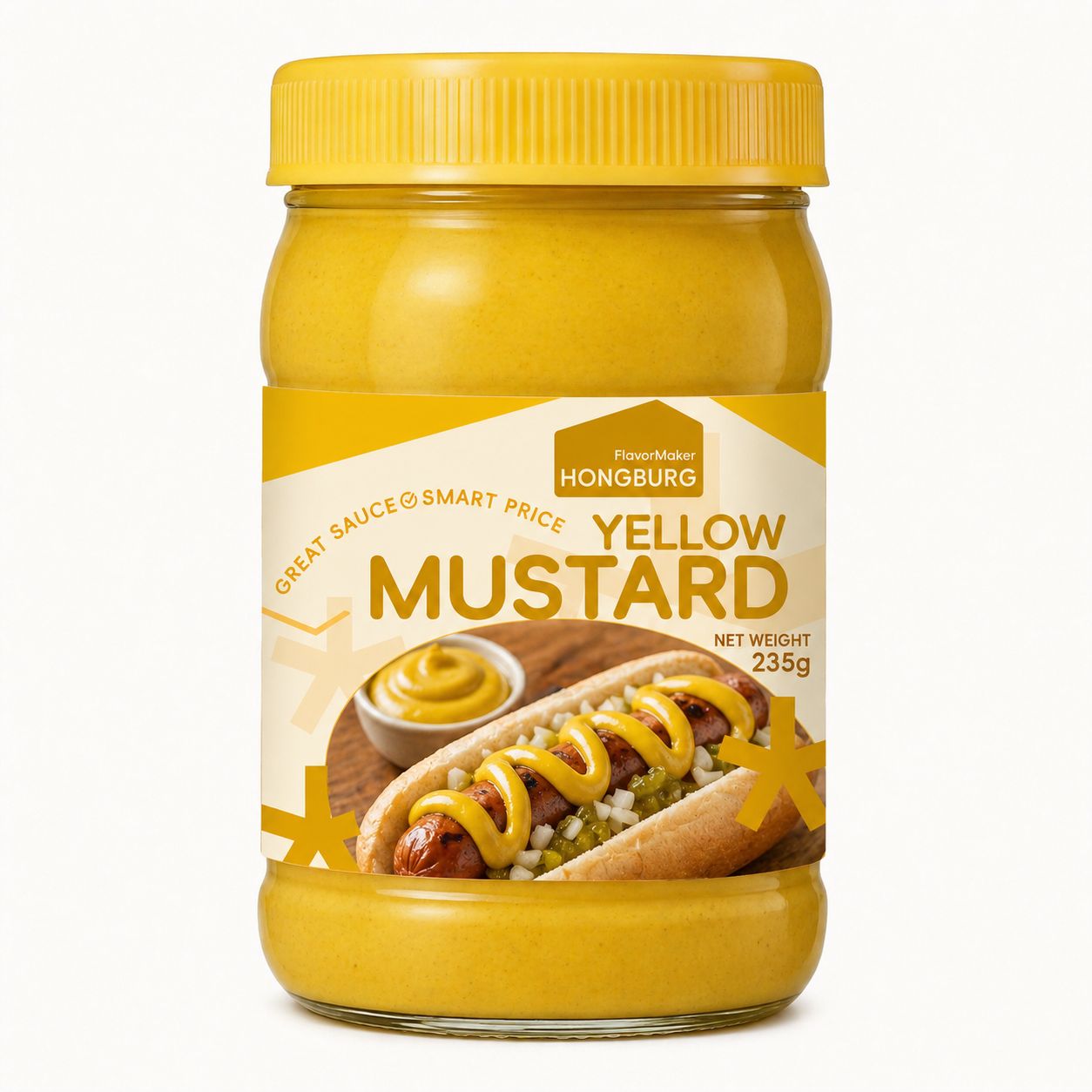
Aseptic mustard often lands with a sharper, more immediate punch. The flash-heating and sterile filling process preserves more of the volatile compounds that give mustard its nose-tingling heat, so the first taste feels clean, bright, and almost surgical in its intensity. There’s little oxidation to round off the edges, which means the vinegar and spice stay front and center rather than fading into the background.
Jarred mustard, by contrast, tends to develop a broader, more settled flavor. Whether it’s a coarse stone-ground variety or a smooth Dijon, the slower pasteurization and the slight air exchange that happens after the jar is opened allow the sharper notes to mellow. You get a warmer, rounder profile where earthy seed flavors, a touch of nuttiness, and a softer acidity come through on the finish.
Neither is inherently better, but the choice changes what the mustard does on the plate. If you want that quick, bright heat that cuts through rich meats or mayo-heavy salads, aseptic squeeze bottles deliver it consistently. If you’re after a more layered condiment that plays well with cheeses, sausages, or slow-cooked dishes, a jarred mustard often brings the kind of depth that only time and a little oxygen can build.
How to Pick a Shelf-Stable Mustard That Doesn’t Taste Flat
Start by flipping the jar and reading the ingredient list, not the front label. A mustard that relies solely on distilled vinegar and turmeric will almost always land flat. Look for a combination of vinegar types—apple cider, white wine, or even a touch of verjuice—and whole or stone-ground mustard seeds rather than just mustard flour. The presence of brown or black mustard seeds usually signals more heat and depth, while a blend that includes both yellow and brown seeds gives you a rounder, more persistent finish.
Acidity is the backbone, but balance matters more than sharpness. Avoid mustards that list water as the first ingredient; that dilution mutes everything else. Instead, check that vinegar or mustard seed sits near the top, and look for a small amount of salt, maybe a little honey, maple syrup, or wine reduction to round out the edges without turning sweet. If the label mentions “natural flavors” but no real aromatics like garlic, tarragon, or shallot, it’s often a sign the flavor was patched together rather than built.
Finally, give the jar a gentle shake or tilt. A shelf-stable mustard that pours like thin ketchup will taste hollow; you want some resistance and visible texture. Small-batch or traditional recipes often leave a slight graininess that catches on the tongue, which keeps the heat from disappearing. If you can, choose jars with a shorter ingredient list and a visible layer of mustard seed. That’s usually where the real, non-flat character lives.
Unexpected Ways to Use Aseptic Mustard Sauce Without a Hot Dog in Sight
A squeeze of aseptic mustard sauce does far more than dress a frank. Whisk it into a simple vinaigrette with olive oil, a splash of apple cider vinegar, and a pinch of brown sugar, and suddenly your roasted Brussels sprouts or bitter greens have a sharp, creamy edge that bottled dressings can't fake. It clings to every leaf instead of pooling at the bottom.
Turn it into a quick marinade for chicken thighs or pork chops. Mix two parts mustard sauce with one part yogurt or mayo, add minced garlic and a crack of black pepper, and let the meat sit for thirty minutes. The acid in the mustard tenderizes while the sugars caramelize on a hot skillet, giving you a crust that tastes like you planned ahead for hours.
For a last-minute dip that actually gets eaten, stir a few spoonfuls into Greek yogurt with dill, lemon zest, and a little honey. It's thick enough for pretzels, roasted potatoes, or raw cauliflower, but light enough that you won't mind double-dipping. You can also smear it inside a grilled cheese or fold it into deviled egg yolks for a tang nobody sees coming.
The Storage Habit That Quietly Drains Mustard’s Punch
Stashing mustard in the fridge door feels like common sense—it's right there when you need a smear on a sandwich, and the little shelf seems made for condiments. But every time you swing that door open, the temperature around the jar spikes, then drops again, and out rushes a tiny puff of the volatile compounds that give mustard its heat.
That signature nose-tingling kick comes from allyl isothiocyanate, a molecule created when the seed’s enzymes meet liquid and get to work. It’s wonderfully unstable—light, warmth, and even a few seconds of exposed air make it break down or drift away. Leave the lid ajar, use a spoon that’s seen mayo, or keep the jar near the front of a busy fridge, and you’ll notice the punch fading faster than you can say ‘deli-style’.
A better move: tuck mustard into the coldest, darkest corner of the fridge—think back wall or the crisper drawer—and seal it tight immediately after each use. Grab a clean knife instead of dipping straight into the jar with whatever’s in your hand. If the color turns muddy or the aroma goes flat and vinegary, the kick is already gone, and no amount of squeezing will bring it back.
Does Heat Processing Ruin Mustard’s Bite? Not the Way You Think
The common assumption is that heat destroys the fiery kick of mustard, turning it into a bland shadow of its former self. After all, that sharp, sinus-clearing burn is a volatile sensation—one that seems too delicate to survive a hot pan or a boiling brine. But the reality is far more interesting. When mustard seeds or prepared mustard meet heat, the pungent compounds don’t simply vanish; they transform. The enzyme myrosinase, which drives the creation of that aggressive heat, deactivates at high temperatures, but the flavor doesn’t disappear—it shifts into something deeper, earthier, and surprisingly persistent.
What actually happens depends on the type of mustard and how the heat is applied. Yellow mustard, often used in barbecue sauces and dressings, loses much of its upfront sharpness when simmered, but gains a mellow, almost nutty warmth that lingers on the back of the tongue. Brown and black mustards, the backbone of many Asian and Indian dishes, behave differently—brief exposure to hot oil or a quick tempering can release a new layer of heat, one that’s less volatile and more grounded. This isn’t a flaw; it’s a deliberate technique used across cuisines to layer flavor without the raw, aggressive bite that can overwhelm a dish.
If you’re aiming to preserve that initial punch, the timing matters more than the temperature itself. Adding mustard at the end of cooking, or using a cold-water method before any heat is introduced, keeps the enzyme active long enough to deliver a sharp hit. But for those who think heat processing ruins mustard altogether, try toasting whole seeds or gently warming a good Dijon in a cream sauce—you’ll find that the bite doesn’t die. It simply changes its face, trading a loud shout for a steady, complex growl that holds its own in everything from roasted vegetables to slow-braised meats.
FAQ
Aseptic refers to a process where the sauce is rapidly heated to a high temperature for a very short time, then cooled and filled into sterile containers within a sterile environment. This locks in freshness without needing preservatives or refrigeration until opening.
The short, controlled heat exposure in aseptic processing preserves more of the volatile compounds that give mustard its pungent bite. Traditional hot-fill can flatten those sharp notes, but aseptic keeps the flavor closer to freshly ground mustard.
Most aseptic mustard sauces stay at peak quality for 12 to 18 months unopened when stored in a cool, dry place. Some formulations may last up to 24 months, but flavor intensity gradually softens after the first year.
It is not strictly required for microbial safety if handled with clean utensils, but refrigeration is strongly recommended. Cold storage slows oxidation and keeps the sauce's bright flavor and smooth texture from degrading too quickly.
Yes, it is widely used in commercial settings because it ships and stores at ambient temperatures, reducing cold chain costs. The consistent viscosity and flavor profile also make it easier to incorporate into dressings, marinades, and ready meals.
Aseptic processing often yields a smoother, more uniform texture because the sauce is homogenized and filled under controlled conditions. You are less likely to see separation or graininess compared to some traditionally jarred mustards.
Common formats include multilayer pouches, bag-in-box systems, and single-serve sachets. These materials protect the sauce from oxygen and light, while flexible packaging reduces waste and allows for precise dispensing in food service.
Keep it in a pantry or cupboard away from direct sunlight, heat sources, and temperature swings. A stable environment around 50 to 70 degrees Fahrenheit helps maintain the sauce's color, aroma, and pungency until you are ready to use it.
Conclusion
Aseptic mustard sauce often gets dismissed as a compromise, but that assumption misses why it can actually taste sharper than the jarred stuff. The aseptic process locks in volatile compounds before heat exposure has a chance to dull them, so the mustard keeps its sinus-clearing bite long after opening. What trips people up is comparing it to a freshly opened jar that's been sitting on a shelf for months—once you control for age, aseptic versions usually win on punch. The real flavor difference comes down to the base mustard seed, not the packaging: a high-quality aseptic sauce with brown or oriental seeds will have the same heat profile as a craft jar, just without the slow oxidation that creeps in after the first twist of the lid.
Choosing a shelf-stable mustard that doesn't taste flat means ignoring the front label and looking at the ingredient order—vinegar should never be the first liquid, because too much acid mutes the enzymes that create heat. Storage matters more than most people admit: keeping a squeeze bottle next to a warm stove or in direct light quietly drains the punch, even if it never spoils. And no, heat processing doesn't ruin the bite the way you'd expect; modern aseptic filling uses short, high-temperature bursts that denature far fewer flavor compounds than traditional canning. Beyond hot dogs, try whisking aseptic mustard into a warm potato salad dressing, brushing it on roasted cauliflower before the last ten minutes, or stirring a spoonful into cheese sauce for a sharp edge that doesn't split.
Contact Us
Contact Person: Peter Song
Email: [email protected]
Tel/WhatsApp: +86 18920189778
Website: https://www.hongburg.com