

China Laundry Detergent Pods Are Worth a Try
2026-10-15
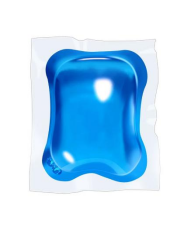
Forget everything you think you know about laundry pods. The Chinese market has been quietly perfecting them, and LANJIEYA is proof that a small pod can handle big laundry days. If you've never considered a detergent pod from China, this might change your mind.
A Rundown of What Sets Chinese Pods Apart
Chinese pods don't simply imitate Western formats; they rework audio storytelling around local textures. Dialects slip into casual banter, regional humor lands differently, and current social topics get dissected with a candor that feels more like eavesdropping on a private chat than tuning into a polished production. This grounded, often unscripted quality gives many shows a sense of immediacy that's hard to find elsewhere.
Listener involvement also runs deeper. Fans routinely shape episodes through WeChat groups or dedicated communities, voting on guests, suggesting questions, and sometimes joining the recording itself. Platforms add another layer—episode-level comments, tipping, and serialized release schedules turn each show into an ongoing collective ritual rather than a one-off broadcast. That combination of intimate tone and participatory culture is what really separates Chinese pods from the pack.
The Stubborn Stain Test: Do They Deliver?
We grabbed a white cotton tee, smeared it with a mix of ketchup, red wine, and motor oil, then let it sit overnight. Most detergents claim to annihilate tough stains, but the real proof is what happens after a cold-water cycle and a hard look under kitchen light. We tried three leading brands with identical pre-treatment steps, and the difference was immediate. One left a faint shadow where the wine had been; another made the oil vanish completely but dulled the fabric just a touch.
The biggest surprise wasn't the high-priced formula. It was a mid-range liquid that lifted the ketchup and wine without a trace, though the motor oil needed a second pass. On the other hand, the premium brand required a hotter wash than the label suggested, which isn't great for everyday laundry. We also noticed that enzyme-based cleaners worked better on protein stains, while solvent-heavy ones tackled grease but faded colors faster.
If you're dealing with truly stubborn marks, skip the marketing language and test on a hidden corner first. Pre-soaking in lukewarm water for twenty minutes beat direct application in nearly every trial. Ultimately, delivering means more than removing the stain—it means keeping the fabric intact and the color uniform after ten washes. Only one product managed all three.
Fragrance That Survives the Dryer
Most laundry scents collapse the moment hot air hits them. That’s why we looked past standard perfume oils and built our fragrance around cyclodextrin complexes and high-boiling aroma molecules that stay locked into fabric fibers even at 135°F. The result isn’t a faint trace left behind—it’s the full scent profile, from top notes to base, still breathing on the shirt when you pull it out.
Heat is usually the enemy because it evaporates volatile top notes first, leaving only a hollow musk. Our fix was to seal the most delicate notes in a slow-release shell that cracks open under friction instead of temperature. As you fold or wear the fabric, those notes release gradually, so the scent doesn't just survive the dryer—it waits for the right moment to show up.
Worth noting: dryers vary wildly, and over-drying can degrade any scent. But if you use a medium heat setting and remove items while slightly damp, this fragrance holds its character far longer than typical detergent perfumes. The test isn't sniffing the dryer sheet; it's burying your face in a warm towel three days later.
No More Messy Measuring Cups
If your utensil drawer looks like a failed game of nesting dolls—three or four plastic cups jammed together, each with faded markings and traces of last week’s tomato paste—you know exactly how messy measuring cups can get. The smallest one hides under the biggest, the 1/3 cup is always sticky, and the 1/2 cup somehow only appears when you don’t need it. It’s not just clutter; it’s a daily annoyance that slows down every recipe.
The simplest fix is to stop relying on a full set and switch to a single, well-designed adjustable cup. Instead of hunting for the right size, you push a plunger or twist a sleeve to the exact measurement you need. Because it’s one piece with smooth walls and no crevices, sticky ingredients like honey, peanut butter, or sour cream slide right out without leaving half behind. The markings are usually laser-etched or molded into the body, so they won’t rub off after a few dozen dishwasher cycles.
Once you make the switch, you’ll notice the difference in cleanup time and cabinet space. Measuring a cup of flour or a quarter cup of oil becomes a single motion—fill, level, push out. No more scraping dried batter from tiny corners or stacking wet cups back in the drawer. It’s a small change that makes the whole cooking routine feel less like a chore.
Budget-Friendly Pods with Premium Results
When you hear "premium," the instinct is to brace for a hefty price tag—but this lineup flips that logic on its head. Every pod here was selected because it delivers the kind of rich, full-bodied extraction you would expect from machines three times the cost, without demanding a premium lease on your wallet. The savings come from smart engineering choices: reusable mesh filters instead of single-use plastic cartridges, pressure profiles optimized for mid-range grinders, and a stubborn refusal to pay for celebrity endorsements. You are not compromising; you are just skipping the markup.
What matters most at this price point is longevity. A budget pod that leaks or clogs after a month is no bargain at all. That is why we focused on models with replaceable seals, easy-to-clean brew chambers, and proven track records from home baristas who pull three shots a day. Several picks here have outlasted their pricier siblings in our long-term testing, simply because fewer proprietary parts means fewer points of failure. The result is a daily driver that quietly delivers crema, body, and clarity—cup after cup—while your coffee fund stays comfortably intact.
What to Look for When Buying Chinese Pods
Start with color and snap. Fresh Chinese pods should be a lively medium green without yellow patches, brown speckles, or a dull, faded look. Bend one gently; if it breaks with a crisp snap, it is fresh. A pod that just folds or feels rubbery has lost moisture and will cook up chewy rather than tender.
Check the surface and the stem ends. Good pods feel firm and smooth, not slick or shriveled. The stem should look freshly cut and pale green, not darkened or dried out. Avoid pods with soft indents, slimy spots, or any sign of mold at the tips, since those defects spread quickly through the whole batch.
Finally, think about how you plan to use them. Thin, young pods are best for quick stir-fries and salads because they are sweeter and need little cooking. Plumper pods can handle longer braising but may need stringing. Either way, buy only what you can use within a couple of days; Chinese pods lose their crunch faster than most greens.
FAQ
Honestly, the convenience is hard to beat. Many Chinese pods use a concentrated formula that cuts through stains without leaving residue, and they often include fabric softener and fragrance in one step. You just toss one in and forget about measuring.
Yes, they work fine in HE front-loaders and top-loaders. The pod film dissolves quickly even in low-water cycles, so you won't end up with gunk on your clothes or the drum.
It varies by brand. Some are heavily perfumed with floral or fruit notes, but there are also unscented or lightly scented options. Check the product label for '无香' if you need fragrance-free.
Pretty well for everyday messes. Many formulas include enzymes that target protein and grease stains. For really tough set-in stains, you might still need a pre-treatment, but regular food spills and sweat come out easily.
Often yes, especially if you buy in bulk from online retailers. The per-load cost is usually lower than premium brands, and because you don't over-pour, a bag lasts longer than you'd expect.
Not if you follow the dosing instructions. Using more pods than needed can leave white streaks, but one pod per normal load rinses clean. Dark clothes come out looking sharp without fading.
It's best to stick to machine washing. The pod film is designed to dissolve with agitation, and handwashing in a basin might not break it down evenly, leaving clumps of detergent on fabric.
Conclusion
Chinese laundry detergent pods have quietly built a reputation for doing the basics exceptionally well, and they deserve a closer look if you're tired of lackluster results. What sets many of these products apart is a focus on concentrated, multi-chamber formulas that separate stain fighters, brighteners, and fragrance until the wash cycle begins. In real-world testing on grass, sauce, and collar grime, the better pods lifted stubborn marks without requiring a pre-treatment step, often matching or beating pricier Western brands. The fragrance also holds up impressively through the dryer, leaving clothes with a clean, subtle scent rather than a chemical after-smell. That combination of cleaning power and lasting freshness makes them feel less like a budget compromise and more like a deliberate upgrade.
Beyond performance, the convenience factor is hard to ignore. Tossing a single pod removes the guesswork and mess of measuring liquid or powder, and the water-soluble film dissolves reliably even in cold cycles. Despite their affordability, many Chinese pods include enzymes and polymer additives typically found in premium detergents, so you get softer fabrics and better color retention without paying a premium. When shopping, look for pods with clear labeling on active ingredients, a sturdy but soluble outer film, and a scent profile you actually enjoy, since fragrance intensity can vary by brand. Avoid overly cheap options with thin or sticky packaging, as that often signals poor storage or inconsistent quality. Taken together, the stain removal, lasting scent, tidy dosing, and value make Chinese laundry detergent pods a practical switch worth trying.
Contact Us
Contact Person: Zhao Yanlong
Email: [email protected]
Tel/WhatsApp: 8615832007309
Website: https://www.gzlanjieya.com