
China PEG-40 Hydrogenated Castor Oil Manufacturer: Insights for Global Buyers
2026-09-24
Sourcing PEG-40 hydrogenated castor oil from China usually means sorting through spec sheets that all look the same. Yet behind the CAS numbers, real differences in purity, batch consistency, and supply reliability separate one manufacturer from the next. That’s where MingYa enters the conversation. With a production model tuned to the demands of cross-border buyers—think transparent documentation, responsive communication, and logistics that don't stall at the port—MingYa has made the supplier selection process less of a gamble. In this post, we unpack what global buyers should actually look for when evaluating Chinese PEG-40 hydrogenated castor oil manufacturers, and why MingYa keeps appearing on shortlists.
What Sets a Reliable PEG-40 Hydrogenated Castor Oil Plant in China Apart
The first thing that separates a dependable manufacturer from the rest is how they handle hydrogenation. It's not enough to run the reaction at a set temperature and pressure; the real differentiator is tight control over catalyst activity and hydrogen uptake. Facilities that track reaction kinetics batch by batch catch small deviations before they affect the final PEG-40 ester's clarity or viscosity. Many plants in China have the same equipment on paper, but few invest in continuous monitoring of hydroxyl value and acid value during the process rather than testing only after the product is finished.
Impurity control is another area where shortcuts show up quickly. PEG-40 hydrogenated castor oil used in injectables or high-end cosmetics cannot tolerate high peroxide numbers, residual ethylene oxide, or free PEG that shifts cloud point. A reliable plant will run multiple purification passes and use nitrogen blanketing during storage, then verify each lot with a full impurity profile—not just the standard pharmacopeia tests. They also keep retention samples for years, which matters when a downstream formulation issue forces a root cause analysis.
Beyond the chemistry, a trustworthy supplier stands out through documentation and communication. They provide full traceability from castor oil origin to final drum, support method transfers for analytical testing, and don't hesitate to share a deviation report if a batch needed reprocessing. This level of transparency is rare, and it's usually a better predictor of long-term reliability than a glossy brochure or a low quote.
Spotting Batch Inconsistencies Before They Reach Your Formulation
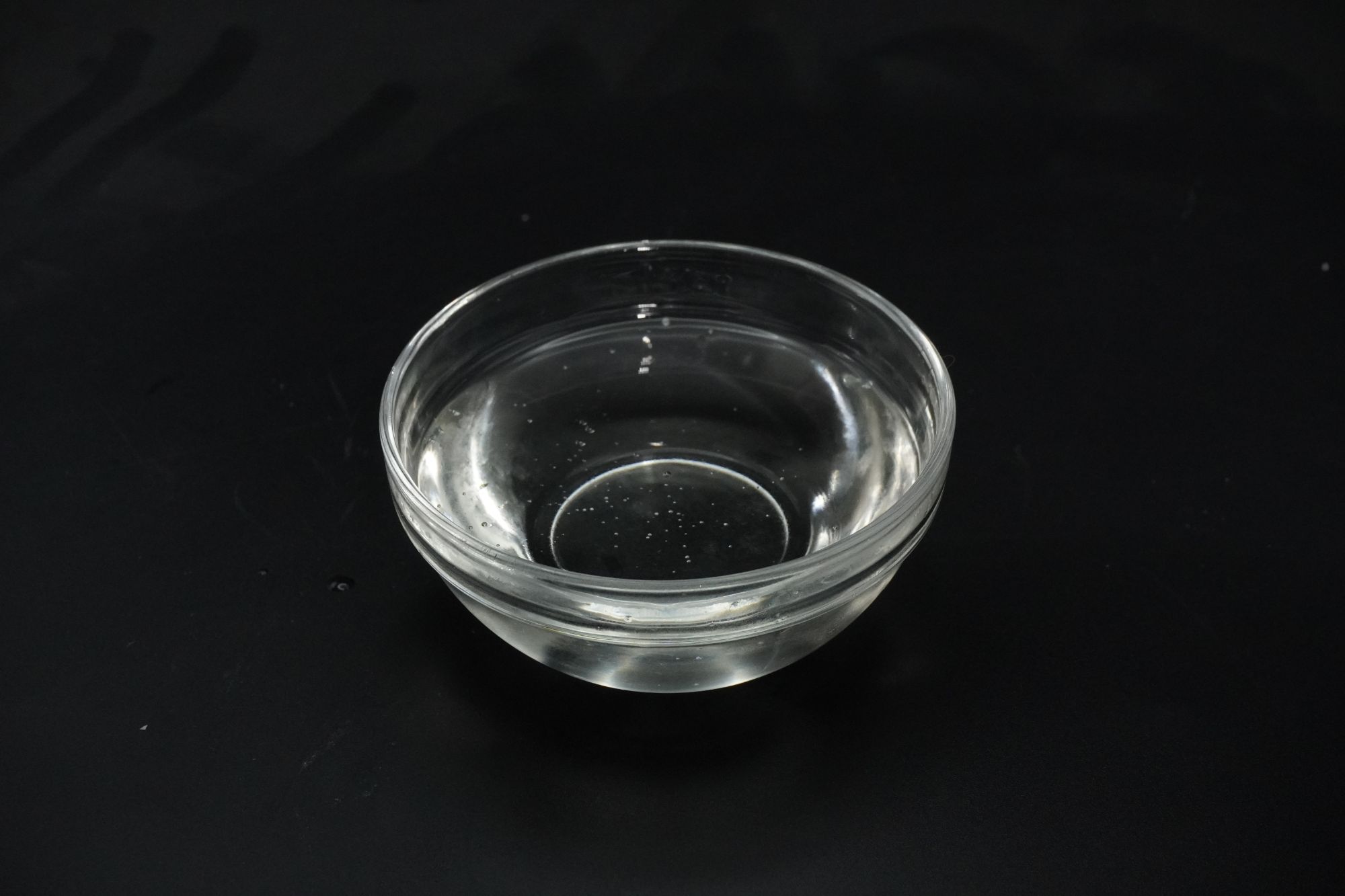
Catching batch drift early often comes down to comparing incoming raw material spectra against a reference library built from previously accepted lots. When a new shipment shows a subtle shift in peak intensity or an unexpected shoulder in the near-infrared region, it can point to a change in moisture content, particle size, or the presence of an unlisted impurity long before that material touches your mixer.
Beyond instrument readings, tracking supplier process data alongside your own incoming QC results reveals patterns that isolated tests miss. A gradual rise in residual solvent levels across three consecutive deliveries, for instance, may not trip an individual specification limit, but it's a clear signal that something has changed upstream. Treating these trends as early warnings rather than waiting for a full out-of-spec result gives formulation teams room to adjust or quarantine lots without stalling production.
The practical approach is to blend fast screening methods with a rolling review of supplier documentation. Handheld Raman or portable NIR units can clear most materials in minutes, while a weekly look at certificate-of-analysis variances—even those inside the accepted range—often flags the first sign of inconsistency. It's less about adding more tests and more about paying attention to the right small changes before they scale into batch failures.
How Chinese Manufacturers Handle Documentation for Cosmetic-Grade Exports
Chinese cosmetic manufacturers often treat export documentation as a make-or-break step rather than an afterthought. In many facilities, a dedicated documentation specialist works alongside the quality control team to compile certificates of analysis, safety data sheets, and good manufacturing practice certificates tailored to each destination country. This role is not merely administrative; the specialist double-checks ingredient lists against the importing nation’s restricted substance database and verifies that every batch number matches the production log.
To keep errors low, a growing number of factories rely on digitized document management systems that link directly to their enterprise resource planning software. This setup auto-populates product codes, batch sizes, and testing results into pre-approved templates, reducing manual re-entry. The system also sets reminders for renewal of cosmetic product notifications or free sale certificates, ensuring that a shipment doesn’t get held at customs because a piece of paper lapsed.
Beyond internal checks, manufacturers often build relationships with local regulatory consultants in key markets like the EU, US, or Southeast Asia. These consultants review the documentation package before dispatch and flag discrepancies—such as a missing IFRA certificate for fragrance or an outdated preservative efficacy report. Some Chinese exporters also maintain a bilingual archive of all export files, making it easier to respond to foreign buyer audits or sudden regulatory inquiries without scrambling for paperwork.
The Unspoken Rules of Price Negotiation for This Emulsifier
Most buyers treat emulsifier pricing like a commodity, but suppliers who hold firm on quotes often control HLB consistency and batch-to-batch particle size more tightly. Push only on price, and the conversation drifts away from what actually matters: whether the emulsifier will keep a stable emulsion under your specific pH and temperature swings. A very low quote usually signals a trade-off in purity or technical support, so experienced formulators ask about the source of the fatty acid chain and residual catalyst levels before any discount talk starts.
Timing also shapes the final number more than negotiation skill. Suppliers with committed production slots rarely move on price, while those facing near-term inventory pressure may quietly adjust terms without advertising it. Instead of asking for a blunt discount upfront, request a breakdown of freight, packaging, and minimum order quantity. That reveals which cost levers the supplier can actually pull. You may find that shifting from 200 kg drums to 1,000 kg IBC totes, or accepting a slightly wider viscosity range, delivers a better landed cost than a percentage cut.
The longer view changes the math as well. Suppliers protect margins for buyers who disappear after the first order because they factor in re-qualification and support costs. If you can commit to a realistic annual volume band and share your stability data, the quoted price often improves without any hard bargaining. The real move is to make the negotiation about reducing the supplier's risk, not about winning a concession.
Why Some Global Buyers Insist on Third-Party Lab Checks Before Loading
A shipment can look flawless on the surface—neatly packed cartons, clean labels, and a factory representative who assures you everything meets spec. But global buyers who have been burned before know that visual confidence means little once containers are sealed and on the water. A third-party lab check right before loading acts as a neutral gatekeeper, catching issues that internal quality control might miss, whether due to oversight, pressure to ship on schedule, or deliberate corner-cutting. This step is especially critical for products with safety or regulatory implications, such as electronics, toys, food-contact materials, or textiles with restricted chemicals.
Beyond defect detection, insisting on an independent lab test shifts accountability. When a buyer relies solely on the supplier's own reports, any dispute after arrival becomes a messy back-and-forth of conflicting certificates. A third-party report, generated from samples drawn at the warehouse or factory just days before loading, carries far more weight in negotiations, insurance claims, or even legal action. It also deters suppliers from substituting lower-grade raw materials after initial approval—a common trick when production runs long and margins get tight.
There is also a practical logistics angle. Once goods are loaded and the vessel departs, the cost and time to recall or rework a non-compliant batch skyrocket. A pre-loading lab check offers a final window to quarantine suspect lots, arrange re-inspection, or delay shipment without incurring demurrage or air-freight emergency costs. For buyers managing multiple suppliers across different regions, it standardizes quality benchmarks, making it easier to compare factory performance and build a shortlist of reliable partners. In short, it is not about mistrust—it is about making sure the product you paid for is actually the product you are about to receive.
Mapping the Typical Journey from a Shandong Factory to Rotterdam
For most goods leaving Shandong, the journey starts not at the port but at a factory loading dock in cities like Qingdao, Weihai, or Linyi. A trucker picks up the sealed container and drives it to Qingdao Port, where export declarations are filed and the box waits for a scheduled vessel. That first stretch can take anywhere from a few hours to a full day depending on the factory location, but it is the least predictable part of the whole route.
Once the ship departs Qingdao, the typical ocean path runs south through the Taiwan Strait and the South China Sea, across the Indian Ocean, then through the Suez Canal into the Mediterranean. From there the vessel crosses the Strait of Gibraltar and heads north along the Atlantic coast before entering the English Channel and finally the North Sea. The sailing time is usually 30 to 35 days, though congestion at Suez or bad weather in the North Sea can push that closer to 40.
After the ship berths at Rotterdam, the container is discharged and moved to a terminal stack for customs clearance and pickup. Local trucking or barge services then carry the goods to a final warehouse in the Netherlands, Germany, or beyond. Counting the initial inland leg in China, the whole door-to-door trip realistically takes six to seven weeks, which is why many Shandong exporters build in buffer stock rather than promise exact arrival dates.
FAQ
Look beyond price per kilogram. Check if the manufacturer can provide full technical data sheets, residual ethylene oxide and dioxane levels, and batch-to-batch consistency data. Also ask about their raw material sourcing—whether they use domestically refined castor oil or imported pharmaceutical-grade feedstock—because that affects clarity and odor. A factory with in-house hydrogenation and ethoxylation units usually has better control than one that only blends or repacks.
In most cosmetic and personal care systems, the performance is equivalent if the manufacturer follows tight ethoxylation control. Differences show up in color, free PEG content, and smell. Chinese suppliers have improved a lot in low-odor grades, especially those using vacuum stripping and nitrogen sparging. However, European material sometimes has lower free ethylene oxide residues, so buyers should request certificates of analysis rather than assume parity.
Yes, many mid-sized and large producers offer customization. Common adjustments include cloud point, HLB value, viscosity, and preservative-free packaging. A buyer might ask for a specific moisture level below 0.5% or a narrower pH range in 5% aqueous solution. Customization usually requires a minimum order of 2–5 metric tons and can take 3–6 weeks for pilot batches and stability checks.
Request a recent third-party test report for heavy metals, residual solvents, ethylene oxide, and dioxane. Also ask for the manufacturing flow chart, ISO 9001 or EFfCI GMP certificate, and a signed statement on animal testing and BSE/TSE free status. If your market is Europe or North America, confirm REACH registration or FDA compliance for the specific grade you plan to use.
The largest volume still goes into shampoos, body washes, and solubilizers for essential oils. But we see growing use in veterinary emulsions, agrochemical adjuvants, textile lubricants, and water-based metalworking fluids. Chinese manufacturers often produce separate industrial and cosmetic grades—make sure you specify the intended end use because industrial grades may contain higher free PEG or traces of catalysts.
Standard packaging is 200 kg HDPE drums or 1000 kg IBC totes, but some suppliers offer 25 kg jerry cans for trials. For export, most buyers choose FCL or LCL sea freight from Shanghai, Ningbo, or Qingdao. The product is not classified as dangerous goods under IMDG, but it should be kept away from strong oxidizers and stored between 5°C and 40°C to avoid viscosity changes.
Ask for a recent video tour of the ethoxylation reactor and hydrogenation unit, or hire a third-party inspection like SGS or Intertek to visit during production. Genuine manufacturers will have a pollution discharge permit and a safety production license for hazardous chemicals if applicable. You can also cross-check the plant address on the export declaration with the address on the ISO certificate.
The most common issues are color darkening during transit, moisture pick-up if drums are not sealed with desiccant, and discrepancies between the pre-shipment sample and the actual cargo. Some lower-priced material is diluted with PEG-40 castor oil or has a wider oligomer distribution. Always include a clause for third-party testing at the port of loading and agree on the method for measuring hydroxyl value and cloud point before payment release.
Conclusion
Sourcing PEG-40 hydrogenated castor oil from China rarely comes down to a single factor. A plant worth your time will typically show a tight grip on ethoxylation control, clear batch numbering tied to raw material lots, and a willingness to walk you through their deviation records. Buyers who skip pre-shipment sampling often find viscosity or cloud point drift only after the drums arrive, which is why the more cautious ones push for retain samples and independent lab checks before the container is sealed. That extra step has caught enough off-spec hydroxyl value batches to become a quiet norm among European mid-sized formulators.
Documentation is another place where habits differ sharply. Cosmetic-grade exports demand more than a generic COA; competent suppliers in Shandong usually prepare full technical dossiers, allergen statements, and REACH-related paperwork without being chased. On price, there is an unspoken rhythm: quoted rates tend to flex with ethylene oxide costs, but pressing too hard on a first order often only gets you a batch with wider specs or slower dispatch. The physical route from a Shandong plant to Rotterdam adds another layer—port congestion at Qingdao, transshipment delays, and humidity exposure during summer months all sit quietly inside the final landed cost. Buyers who learn to read these patterns, rather than treating each quote as a standalone number, end up with far fewer surprises.
Contact Us
Contact Person: Miss Pei
Email: [email protected]
Tel/WhatsApp: 8618620409116
Website: https://www.mingyachemicals.com/