

Copper and Aluminum: The Future of Custom Non-Ferrous Metals Manufacturing
2026-02-20
As industries worldwide push the boundaries of what’s possible, custom non-ferrous metals manufacturing stands at the forefront of innovation. At the heart of this transformation are copper and aluminum—two materials that combine versatility, durability, and sustainability. From high-tech electronics to eco-friendly construction, these metals are shaping the future. At GRM, we’ve dedicated decades to perfecting the art of crafting these alloys, turning raw potential into groundbreaking solutions. In this blog, we’ll explore how copper and aluminum are revolutionizing manufacturing and why GRM is leading the charge. Ready to discover what’s next? Let’s dive in.
Innovations Transforming Copper and Aluminum Fabrication
In recent years, the fabrication of copper and aluminum has been revolutionized by groundbreaking technologies that are reshaping how these metals are processed and utilized. For instance, additive manufacturing, or 3D printing, has enabled the creation of complex geometries in copper and aluminum alloys that were previously impossible with traditional methods. This innovation allows for lightweight yet robust components in industries like aerospace and electronics, reducing material waste and speeding up prototyping phases. Coupled with advancements in laser cutting and precision machining, these techniques are pushing the boundaries of design flexibility and efficiency in metal fabrication.
Moreover, the integration of smart automation and IoT sensors is transforming workshops into intelligent production environments. Real-time monitoring systems track everything from temperature control during annealing to tool wear in CNC machines, ensuring consistent quality and minimizing downtime. In aluminum fabrication, this has led to significant improvements in energy efficiency and product uniformity, while copper processing benefits from enhanced conductivity and reduced impurities. These smart systems not only boost productivity but also pave the way for more sustainable practices by optimizing resource use and cutting emissions.
Beyond manufacturing techniques, material science innovations are unlocking new potentials for copper and aluminum. The development of high-strength, corrosion-resistant alloys allows these metals to thrive in demanding applications like renewable energy systems and automotive electrification. For example, novel aluminum composites are making electric vehicles lighter and more efficient, while advanced copper coatings improve heat dissipation in electronic devices. These material breakthroughs, driven by ongoing research and collaboration, are ensuring that copper and aluminum remain at the forefront of modern industry, adapting to evolving needs with agility and innovation.
Sustainable Practices in Non-Ferrous Metal Production
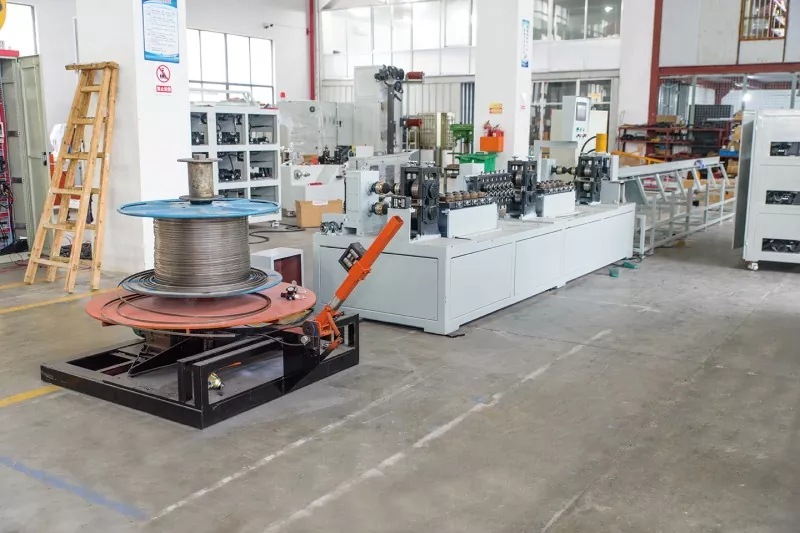
In the realm of non-ferrous metal production, sustainability is increasingly prioritized through innovative methods that slash environmental footprints. Companies are turning to advanced smelting technologies, such as flash smelting and hydrometallurgical processes, which significantly cut down on sulfur dioxide emissions and energy consumption compared to older techniques. By implementing these cleaner operations, producers not only adhere to stricter regulations but also gain a competitive edge by appealing to eco-conscious markets, fostering a shift toward greener industry standards without sacrificing output quality.
Beyond refining, a key sustainable practice lies in the efficient recycling of non-ferrous metals, where the circular economy takes center stage. Scrap aluminum, copper, and zinc are reprocessed with remarkable energy savings—recycling aluminum, for instance, uses up to 95% less energy than primary production. This reduces reliance on raw mining, conserves natural resources, and curtails landfill waste, creating a closed-loop system that demonstrates how economic viability and environmental stewardship can go hand in hand in modern metal industries.
To further enhance sustainability, many producers are integrating renewable energy sources and waste-to-value initiatives into their operations. Solar and wind power are being harnessed to power facilities, lowering carbon footprints, while by-products like slag and tailings are repurposed for construction materials or fertilisers. These practices not only minimise environmental harm but also unlock new revenue streams, showcasing how proactive innovation can make non-ferrous metal production a model for long-term, responsible industrial development.
Custom Solutions for High-Performance Applications
When standard, off-the-shelf software just doesn't cut it for demanding tasks, custom solutions step in to bridge the gap. Tailored specifically to handle intensive workloads, these bespoke applications are crafted with precision, ensuring they can process data at lightning speeds, manage complex algorithms efficiently, and scale seamlessly as demands grow. Whether it's for financial modeling, real-time data analytics, or scientific simulations, a customized approach allows developers to fine-tune every aspect, from memory management to parallel processing, resulting in software that not only meets but exceeds performance benchmarks.
What truly sets custom solutions apart is their ability to integrate seamlessly with existing infrastructure, reducing bottlenecks and enhancing overall system responsiveness. By designing applications that adhere to unique business logic and operational workflows, companies can avoid the compromises often associated with generic software. This means faster execution times, reduced latency, and improved reliability—critical factors for applications where every millisecond counts. From optimizing database queries to leveraging cutting-edge hardware accelerators, these solutions are built to push the boundaries of what's possible in high-stakes environments.
Moreover, the development of custom high-performance applications isn't just about raw speed; it's about creating a robust, adaptable framework that evolves with technological advancements. With a focus on modular design and future-proof architecture, these solutions ensure long-term viability, allowing organizations to stay ahead of the curve without frequent overhauls. This proactive approach not only enhances performance but also boosts operational efficiency, making custom-built applications a strategic investment for any enterprise aiming to lead in competitive markets.
Trends Shaping the Future of Metal Manufacturing
The metal manufacturing sector is increasingly influenced by the integration of digital technologies, such as artificial intelligence and the Internet of Things, which optimize production processes and enhance predictive maintenance capabilities. This shift not only boosts efficiency but also allows for greater customization in metal products, catering to diverse demands from industries like automotive and aerospace, while reducing waste through smarter resource management.
Sustainability is emerging as a critical driver, with manufacturers adopting green practices like recycling scrap metal and utilizing renewable energy sources to lower carbon footprints. This trend is reshaping supply chains and consumer expectations, pushing the industry toward more eco-friendly solutions that balance profitability with environmental responsibility, fostering long-term resilience in a competitive global market.
Additive manufacturing, or 3D printing, is revolutionizing the way metal components are designed and produced, enabling complex geometries and rapid prototyping that were previously unattainable. By reducing lead times and material costs, this technology democratizes access to advanced manufacturing, empowering smaller firms to innovate and adapt quickly to market changes, thus fueling a more agile and dynamic industrial landscape.
Cost-Efficiency and Durability in Material Selection
Choosing materials based on their cost-efficiency and durability is a critical decision that impacts both upfront budgets and long-term maintenance. While it might seem tempting to opt for cheaper options initially, materials that lack resilience often lead to frequent replacements and increased expenses over time. For instance, in construction, selecting high-quality steel over lower-grade alternatives can prevent structural failures and reduce repair costs, ultimately proving more economical in the long run. This balance requires a careful evaluation of lifecycle costs, not just purchase prices, to ensure sustainability and financial prudence in projects.
Durability goes hand-in-hand with cost-efficiency by extending the lifespan of materials under various environmental conditions. Materials that withstand wear, corrosion, or weather extremes minimize the need for replacements and repairs, which can otherwise drain resources quickly. In industrial settings, using corrosion-resistant alloys in machinery might have a higher initial cost, but their ability to operate efficiently for years without degradation translates to savings on downtime and replacement parts. By focusing on durability, businesses and individuals can avoid the hidden costs associated with material failure, making it a smart investment for long-term success.
Innovations in material science have introduced options that optimize both cost and durability, allowing for creative solutions in diverse applications. For example, composite materials in automotive manufacturing combine lightweight properties with high strength, reducing fuel consumption and maintenance needs while keeping production costs manageable. This approach highlights how strategic material selection can drive competitive advantages, from enhancing product performance to lowering operational expenses. Embracing such advancements ensures that projects not only meet immediate budgetary constraints but also thrive over time through reliable and cost-effective material choices.
Global Market Insights for Copper and Aluminum
Copper and aluminum have emerged as pivotal metals in today's global economy, with demand patterns heavily influenced by shifting industrial priorities and sustainability trends. While copper continues to dominate electrical applications, its market dynamics are increasingly shaped by the expansion of renewable energy infrastructure, especially in solar and wind power sectors. In contrast, aluminum's lightweight properties make it indispensable for the automotive and aerospace industries, where fuel efficiency and emissions targets drive adoption. Analysts note that regional supply constraints, such as those in South America for copper, could tighten markets amid rising consumption across Asia and North America.
Price volatility remains a key challenge for both metals, linked to geopolitical events, trade policies, and fluctuations in energy costs. For copper, speculative trading and inventory levels in major hubs like London Metal Exchange (LME) warehouses often amplify price swings, while aluminum faces pressures from environmental regulations affecting smelting processes. Investors are closely watching how green initiatives, like the European Union's carbon border adjustments, might reshape production costs and competitiveness, potentially favoring regions with cleaner energy grids.
Looking ahead, innovation in recycling technologies is set to transform the supply landscape for copper and aluminum, as circular economy principles gain traction. Companies are investing in advanced sorting and processing methods to recover high-purity metals from scrap, reducing reliance on primary mining and lowering carbon footprints. This shift not only aligns with global sustainability goals but also offers cost advantages, making recycled materials an attractive alternative. As industries evolve, the interplay between raw material availability, technological advances, and regulatory frameworks will continue to define market trajectories for these essential metals.
FAQ
Copper and aluminum are fundamental because they offer high conductivity, corrosion resistance, and versatility, making them ideal for tailored solutions in industries like electronics and construction.
Copper stands out due to its excellent electrical and thermal conductivity, malleability, and antimicrobial features, allowing for precise customization in medical and energy applications.
Aluminum drives innovation with its lightweight nature, recyclability, and strength-to-weight ratio, enabling durable and eco-friendly designs in automotive and aerospace sectors.
Custom non-ferrous manufacturing focuses on specialized shaping and alloying for specific needs, unlike mass production, offering flexibility and performance enhancements.
Both metals support sustainability through high recyclability and energy efficiency in production, reducing environmental impact and promoting circular economy models.
By adopting custom designs, companies can optimize performance, reduce costs, and meet unique market demands, enhancing product differentiation and customer satisfaction.
Challenges include material sourcing and precise fabrication, tackled through advanced technologies like CNC machining and sustainable supply chain management.
Trends include additive manufacturing, smart alloys, and digital prototyping, which improve efficiency and enable complex, innovative designs.
Conclusion
The future of custom non-ferrous metals manufacturing is increasingly centered around copper and aluminum, driven by innovations that are transforming fabrication processes. Advanced techniques like 3D printing and precision machining enable more intricate and efficient designs, while trends such as automation and digitalization are shaping the industry's evolution toward smarter, more responsive production. These advancements not only enhance performance but also contribute to cost-efficiency and durability, key factors in material selection for demanding applications.
Sustainability has become a cornerstone of metal manufacturing, with practices aimed at reducing environmental impact and promoting circular economies. Global market insights highlight the growing demand for copper and aluminum, driven by sectors like electronics and renewable energy. Custom solutions tailored for high-performance needs are emerging, offering bespoke options that balance functionality with eco-consciousness. This integrated approach ensures that the industry remains competitive and adaptable, positioning copper and aluminum at the forefront of innovation and sustainable development in the years ahead.
Contact Us
Contact Person: Rayna
Email: [email protected]
Tel/WhatsApp: 86 -173 1474 6343
Website: https://www.grmrollingmill.com/