
Double Shaft Shredder: Why It's the Top Recommendation for Industrial Waste Processing
2026-04-17
In the relentless world of industrial waste processing, efficiency and reliability are non-negotiable. Imagine a machine that not only tackles the toughest materials with ease but also stands as a benchmark for durability and performance. Enter the double shaft shredder—a powerhouse in waste reduction. But why is it consistently hailed as the top recommendation across industries? Dive into this exploration to uncover the engineering brilliance behind its superiority, and discover how Shengzhong Shredder leverages this technology to revolutionize waste management. Stay tuned as we break down its unmatched capabilities and real-world impact.
Introduction to Double Shaft Shredder Technology
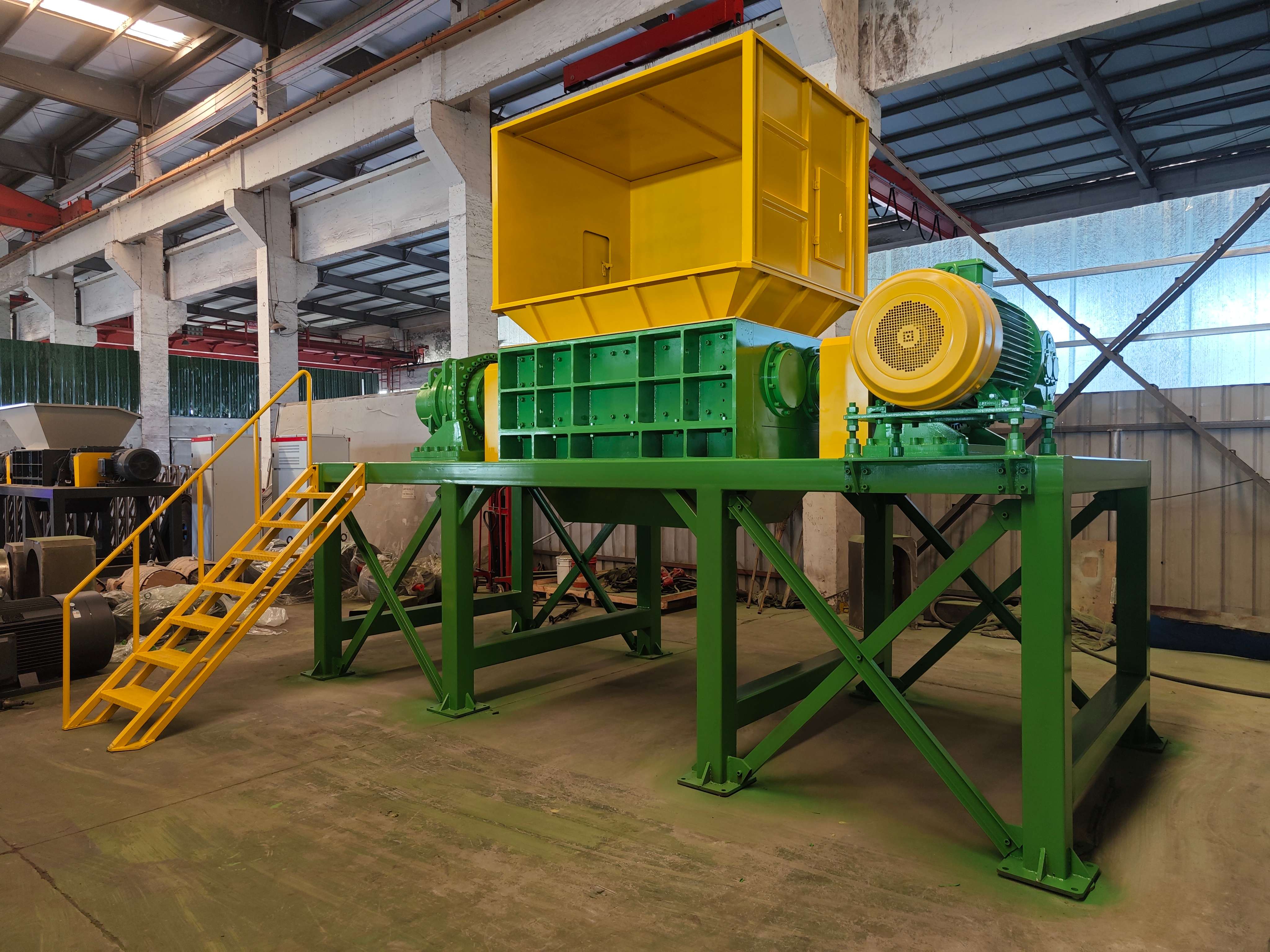
Double shaft shredders are industrial machines designed to process a wide range of materials through tearing, shearing, and compressing actions. Featuring two counter-rotating shafts equipped with cutting blades or hooks, these devices excel at breaking down bulky or tough items into smaller, manageable pieces. Their robust construction allows them to handle everything from plastics and wood to metals and electronic waste, making them a versatile solution in recycling and waste management operations.
What sets double shaft shredders apart is their ability to deliver consistent performance even under heavy loads. The synchronized rotation of the shafts ensures materials are thoroughly shredded without jamming, while adjustable blade configurations cater to specific input requirements. This adaptability not only enhances efficiency but also extends the machine's lifespan by reducing wear and tear.
In practical applications, these shredders contribute significantly to environmental sustainability by facilitating material recovery and reducing landfill waste. Their design often incorporates safety features and noise reduction elements, aligning with modern industrial standards for operational safety and workplace comfort.
Key Applications in Industrial Waste Management
One of the most impactful uses in industrial waste management is the adoption of advanced recycling technologies, such as chemical recycling, which breaks down plastics into their base components, enabling new material production and reducing landfill dependency. This approach not only minimizes environmental harm but also supports circular economy principles by turning waste into valuable resources.
Another critical application involves the implementation of waste-to-energy systems, where non-recyclable waste is converted into electricity or heat through incineration or anaerobic digestion. This helps industries manage their waste streams more efficiently while generating renewable energy, thus cutting operational costs and lowering carbon footprints, which is particularly beneficial in sectors like manufacturing and food processing.
Additionally, real-time monitoring and IoT-based solutions are revolutionizing waste management by providing data-driven insights into waste generation patterns, enabling predictive maintenance of equipment, and optimizing collection routes. This leads to smarter, more cost-effective operations, helping companies comply with regulations and enhance sustainability without sacrificing productivity.
Material Durability and Operational Stability
When it comes to ensuring long-term performance, material durability is a cornerstone that can't be overlooked. We focus on selecting and engineering materials that withstand harsh conditions, from extreme temperatures to chemical exposure, so your systems keep running smoothly without frequent replacements. By integrating robust components like high-grade alloys or corrosion-resistant polymers, we minimize wear and tear, which directly boosts reliability and reduces downtime in demanding applications.
Operational stability goes hand-in-hand with material choices, as it's about maintaining consistent performance under varying loads and environments. Our approach involves rigorous testing and design optimizations to prevent failures, such as using vibration-resistant structures or smart monitoring systems that adapt to real-time changes. This ensures that equipment not only lasts but also operates predictably, supporting seamless workflows and enhancing overall productivity in sectors from manufacturing to energy.
Together, these elements create a synergy where durable materials provide a solid foundation for stable operations, leading to cost savings and improved safety. By prioritizing this balance, we help clients avoid unexpected breakdowns and extend the lifespan of their investments, making it a key differentiator in today's competitive market where resilience and efficiency are paramount.
Energy Efficiency and Cost-Effective Operation
In today's fast-paced business environment, achieving energy efficiency isn't just about being environmentally friendly—it's a strategic move that directly impacts your bottom line. By optimizing energy usage, companies can slash operational costs significantly, often seeing reductions of 20-30% in utility bills. This involves more than just turning off lights; it's about implementing smart systems that monitor and adjust consumption in real-time, ensuring no watt goes to waste.
Beyond the immediate financial benefits, cost-effective operation through energy efficiency fosters long-term sustainability. It builds resilience against fluctuating energy prices and regulatory changes, giving businesses a competitive edge. Many organizations find that investing in energy-efficient technologies pays off quickly, with return on investment periods as short as one to two years, making it a no-brainer for forward-thinking managers.
What sets our approach apart is the personalized integration of efficiency measures into daily workflows, rather than treating them as standalone initiatives. We focus on continuous improvement through employee engagement and data-driven insights, creating a culture where saving energy becomes second nature. This holistic strategy ensures that cost savings are sustainable and scalable, adapting to your unique operational needs over time.
Customizable Features for Diverse Industrial Needs
In today's dynamic industrial landscape, one-size-fits-all solutions often fall short, as sectors from manufacturing to energy require tools tailored to their unique challenges. Customizable features empower businesses to adapt software, machinery, or systems precisely to their operational demands, enhancing efficiency and reducing downtime.
For example, in the automotive industry, modular production lines can be reconfigured based on varying vehicle models, while in agriculture, sensor-based systems are adjusted for different crop types and environmental conditions. This flexibility not only boosts productivity but also supports scalability as companies evolve.
Beyond immediate gains, such customization fosters innovation by allowing teams to experiment with configurations that align with emerging technologies, ensuring they stay competitive in fast-paced markets. This approach moves beyond rigid frameworks to offer a responsive toolkit that grows with industrial needs.
Comparative Advantages Over Single Shaft Systems
Unlike traditional single shaft configurations, multi-shaft arrangements offer enhanced versatility and adaptability in various operational scenarios. By distributing workload across several independently controlled units, these systems enable more precise adjustments to specific tasks, leading to improved performance outcomes without overburdening a single component. This modular approach can also facilitate easier maintenance, as individual shafts can be serviced or replaced without shutting down the entire system—a significant advantage for industries where downtime translates directly to revenue losses.
A key benefit lies in the potential for redundancy, a feature often lacking in single shaft designs. In critical applications, the failure of one shaft does not necessarily halt operations, since others can continue functioning, thereby bolstering overall reliability and reducing risk. Moreover, multi-shaft setups allow for more flexible power distribution, enabling tailored energy allocation to match varying demands, which can result in notable efficiency gains and reduced wear over time.
From a design perspective, these systems open doors to innovative layouts that optimize space utilization and integration with other technologies. They can be customized to fit complex environments where single shafts might be impractical, offering engineers creative solutions to enhance workflow and output. This adaptability not only improves immediate functionality but also supports future upgrades, making multi-shaft systems a forward-thinking choice for evolving industrial needs.
FAQ
Its unmatched versatility and durability in handling tough materials like plastics, metals, and construction debris set it apart, making it a reliable choice for demanding environments.
The dual-shaft configuration allows for higher torque and better material engagement, reducing jamming and increasing throughput without sacrificing power.
This shredder excels with bulky or mixed waste streams, such as automotive parts, electronic scrap, and large plastic items, thanks to its robust cutting mechanisms.
Yes, by minimizing downtime and maintenance needs through its sturdy build and efficient processing, it lowers long-term expenses and boosts productivity.
Common safety elements include overload protection, emergency stop systems, and secure enclosures to prevent accidents during high-volume operations.
It produces uniformly shredded material that's easier to sort and process, enhancing the quality of recyclables and supporting eco-friendly waste management practices.
Absolutely, manufacturers often offer tailored solutions like adjustable blade configurations, variable speed controls, and specialized hoppers to match unique processing requirements.
Regular blade sharpening, lubrication of moving parts, and periodic inspections of wear components help maintain optimal function and extend the machine's lifespan.
Conclusion
The Double Shaft Shredder stands out as the premier recommendation for industrial waste processing, owing to its innovative technology and versatile applications. By leveraging a dual-shaft mechanism, this equipment excels at shredding a wide range of materials, from bulky plastics to metal scraps, ensuring efficient size reduction crucial for waste management. Its introduction highlights how this design enhances operational stability and material durability, allowing it to handle tough industrial demands without frequent breakdowns. In industrial settings, key applications span recycling plants and manufacturing facilities, where it streamlines waste processing by converting large volumes into manageable fragments. Additionally, the shredder's customizable features adapt to diverse needs, such as adjusting blade configurations or feed rates, making it a flexible solution across various sectors. This adaptability, combined with robust construction, positions it as a reliable choice for tackling complex waste streams.
One of the most compelling reasons for its top recommendation is the comparative advantage over single shaft systems, offering higher throughput and reduced jamming risks due to the counter-rotating shafts. This leads to significant energy efficiency and cost-effective operation, as the dual-shaft design often consumes less power per unit of waste processed while minimizing maintenance expenses. Operational stability is further enhanced by durable components that withstand harsh conditions, ensuring long-term reliability. Moreover, the shredder's energy-efficient performance aligns with sustainability goals, reducing environmental impact without compromising output. By integrating these aspects—from material durability to tailored customization—the Double Shaft Shredder proves indispensable in modern industrial waste management, delivering consistent results that outperform alternatives and meet the evolving demands of the industry.
Contact Us
Contact Person: Leon
Email: [email protected]
Tel/WhatsApp: 8615385558866
Website: https://www.shred-waste.com