

Ethanolamine: Unlocking the Best Uses and Benefits for Your Needs
2026-03-09
You may have heard of ethanolamine, but do you truly understand its transformative potential? From industrial applications to everyday products, this versatile compound is quietly revolutionizing how we approach challenges in numerous fields. At POLYKEM, we’re passionate about exploring ethanolamine’s best uses and benefits, tailoring solutions that meet your unique needs. In this blog, we’ll dive deep into what makes ethanolamine so special, uncovering practical insights that could reshape your perspective. Ready to see how this powerful molecule can work for you? Let’s get started.
Discover the Versatile Applications of Ethanolamine in Daily Life
Ethanolamine often flies under the radar, yet it's a behind-the-scenes powerhouse in countless household products. You'll find it in the gentle bubble bath you unwind with, where it helps create a rich lather, or in the dish soap that cuts through grease without damaging your hands. It's also a key ingredient in many skincare items, such as moisturizers and cleansers, where it balances pH levels to keep your skin feeling soft and healthy. This versatile compound makes daily routines smoother and more effective, blending seamlessly into products we trust every day.
Beyond personal care, ethanolamine proves its worth in home maintenance and agriculture. In cleaning agents, it acts as a surfactant to lift dirt and stains from surfaces, making floors and countertops sparkle with less effort. For gardeners and farmers, it's used in herbicides to control weeds without harming crops, ensuring healthier yields. Even in your car's engine, ethanolamine-based additives help prevent corrosion and keep fluids running smoothly. These diverse roles highlight how this chemical quietly enhances efficiency and sustainability in both urban and rural settings.
On a larger scale, ethanolamine contributes to environmental and industrial innovations. It's employed in gas treatment processes to remove carbon dioxide from emissions, aiding in cleaner air and climate efforts. In pharmaceuticals, it serves as a building block for medications that treat conditions like asthma or infections, improving public health outcomes. Its adaptability in formulations—from eco-friendly paints to biodegradable plastics—showcases its potential for driving greener solutions. As we seek smarter materials for the future, ethanolamine's multifaceted nature positions it as an unsung hero in advancing everyday life toward greater convenience and responsibility.
Enhance Industrial Processes with Ethanolamine's Unique Properties
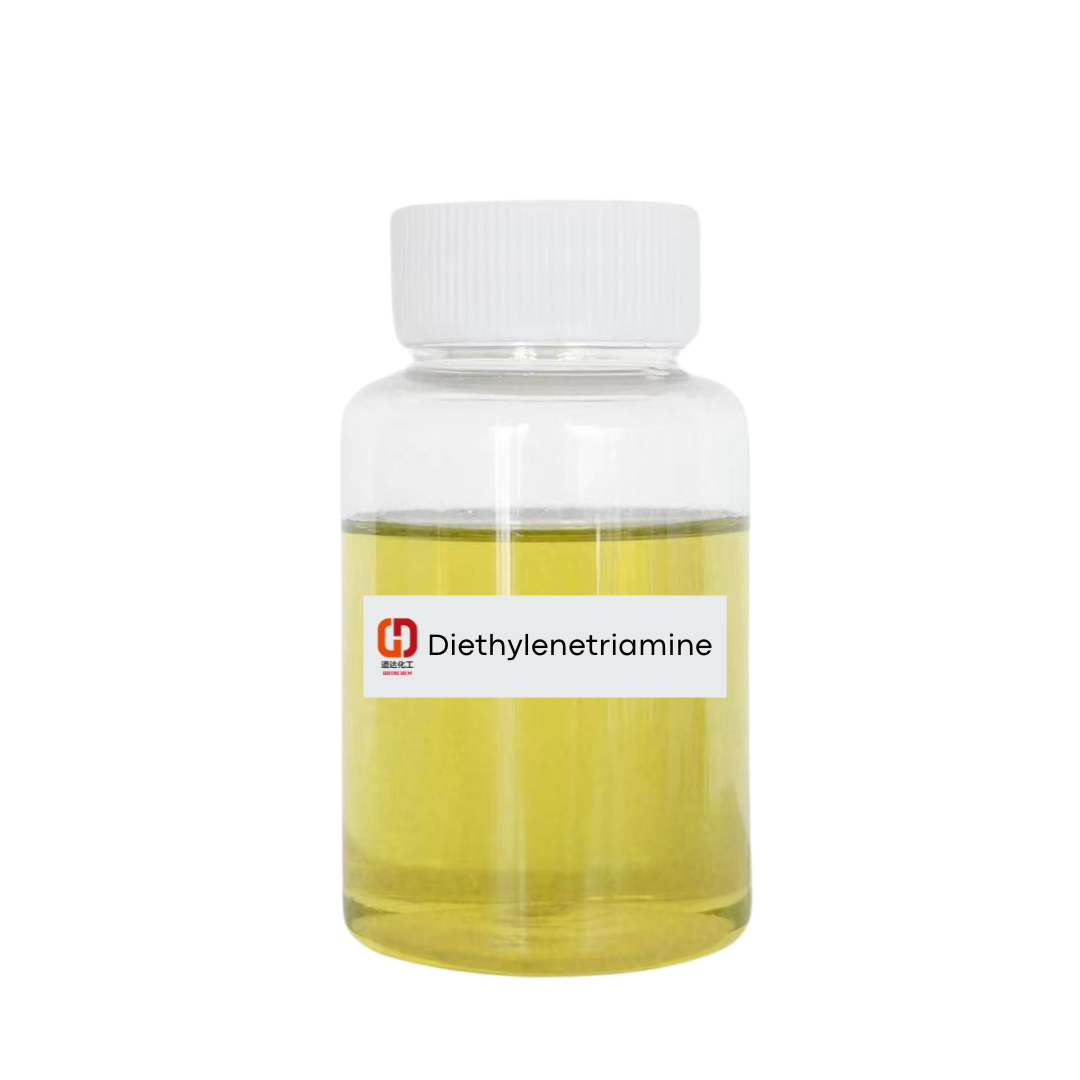
Ethanolamine serves as a versatile chemical compound, prized across industries for its dual nature as both an amine and an alcohol. This unique molecular structure enables it to act as an effective solvent and reaction medium, facilitating smoother operations in applications such as gas scrubbing and pharmaceutical synthesis. Its ability to absorb acidic gases like carbon dioxide makes it a go-to in natural gas purification, reducing energy consumption and enhancing process efficiency.
Beyond gas treatment, ethanolamine's properties shine in the production of surfactants and emulsifiers, where its reactivity and solubility play crucial roles. In agrochemicals, it helps formulate stable pesticides that improve crop yields, while in personal care products, it contributes to gentle yet effective formulations. This adaptability streamlines manufacturing, cutting down on waste and boosting overall productivity.
Industries also leverage ethanolamine for corrosion inhibition and pH adjustment, ensuring the longevity of equipment and the consistency of final products. By integrating this compound into processes, companies can achieve more sustainable and cost-effective outcomes, pushing the boundaries of innovation in fields from textiles to electronics without compromising on safety or performance.
Boost Personal Care Products Using Ethanolamine Benefits
When it comes to enhancing the performance of your personal care formulations, ethanolamine compounds like triethanolamine (TEA) and monoethanolamine (MEA) can be game-changers. These versatile agents serve as effective emulsifiers and pH adjusters, helping to stabilize creams, lotions, and cleansers that might otherwise separate or feel harsh on the skin. By maintaining a balanced acidity or alkalinity, they ensure products not only look appealing on the shelf but also deliver consistent, gentle results with every use.
Beyond basic stability, using ethanolamine allows for smoother textures and improved spreadability, which can elevate the user experience significantly. Imagine a moisturizer that glides effortlessly onto the skin or a shampoo that lathers richly without stripping natural oils—these are the subtle yet impactful benefits that set high-quality items apart. By integrating these compounds thoughtfully, you can craft formulas that feel luxurious and perform reliably, making them stand out in a crowded market.
Moreover, ethanolamine derivatives offer practical advantages for sustainability and cost-efficiency, as they often require lower concentrations to achieve desired effects compared to alternatives. This means you can reduce overall ingredient lists while maintaining efficacy, appealing to consumers who prefer minimalist, eco-friendly options. Whether you're developing a new serum or reformulating an old favorite, leveraging ethanolamine benefits can lead to products that are not only effective but also aligned with modern trends in personal care.
Improve Agricultural Outcomes with Ethanolamine Solutions
Ethanolamine solutions are emerging as a game-changing tool in modern agriculture, offering a unique blend of properties that enhance crop health and yield. By acting as a surfactant and nutrient carrier, these solutions improve the absorption of vital fertilizers and pesticides, ensuring plants receive maximum benefits from applications. Farmers report fewer wasted resources and more robust growth, particularly in challenging soil conditions. The versatility of ethanolamine-based formulations allows for tailored approaches, supporting sustainable practices that align with environmental goals while boosting productivity.
Beyond traditional applications, ethanolamine solutions foster innovation in precision farming. They can be integrated into smart irrigation systems to deliver nutrients directly to plant roots, reducing water usage and minimizing runoff. This targeted approach not only conserves resources but also enhances plant resilience against pests and diseases. With ongoing research, these solutions are helping to create more resilient crops, adapting to climate variability and ensuring food security in a rapidly changing world.
In practice, ethanolamine solutions offer a cost-effective alternative to conventional methods, reducing the need for frequent reapplications and lowering operational costs over time. By improving the efficiency of agricultural inputs, they contribute to higher-quality harvests and increased profitability for farmers. As awareness grows, more regions are adopting these solutions, driving a shift towards more efficient and sustainable farming systems that benefit both the environment and local economies.
Explore Ethanolamine's Role in Health and Pharmaceutical Innovations
In the realm of health sciences, ethanolamine, a simple yet versatile organic compound, plays a surprisingly multifaceted role. It forms part of phospholipids, critical components of cell membranes that maintain cellular integrity and facilitate communication. Beyond structural support, ethanolamine is a precursor to key neurotransmitters like phosphatidylethanolamine, influencing brain function and potentially offering insights into neurological disorders. Its involvement in cellular signaling pathways underscores its importance in physiological processes, from metabolism to immune response, making it a subtle yet indispensable player in maintaining human health.
Pharmaceutical innovations frequently leverage ethanolamine's properties to enhance drug delivery and efficacy. In formulations, it acts as an emulsifier or stabilizer, improving the solubility and bioavailability of compounds that might otherwise be challenging to administer. For instance, in topical creams or injectables, ethanolamine derivatives help ensure consistent drug release, optimizing therapeutic outcomes. Recent research explores its potential in targeted therapies, where modified ethanolamine structures could guide medications to specific cells, reducing side effects and boosting precision in treatments for conditions like cancer or autoimmune diseases, pushing the boundaries of modern medicine.
Looking forward, ethanolamine's role continues to evolve with cutting-edge applications. Scientists are investigating its derivatives in nanomedicine for creating smart drug carriers that respond to environmental triggers, enabling on-demand release. In diagnostics, ethanolamine-based markers are being developed for imaging techniques, enhancing the detection of abnormalities. As interdisciplinary studies merge chemistry with biology, this humble molecule's versatility inspires novel approaches, from regenerative medicine to personalized healthcare, highlighting how foundational compounds can drive transformative advances in pharmaceutical science.
Maximize Cost-Efficiency Through Strategic Ethanolamine Usage
Leveraging ethanolamine strategically can significantly reduce operational expenses without compromising quality. By optimizing application rates and fine-tuning usage based on specific industrial processes, businesses can achieve substantial savings. For instance, in the pharmaceutical sector, precise dosing in manufacturing not only cuts raw material costs but also enhances product consistency, leading to fewer rejects and lower waste. Such targeted approaches ensure every drop of ethanolamine delivers maximum value, directly boosting profitability and resource efficiency across diverse applications like gas scrubbing or chemical synthesis.
Beyond mere cost-cutting, a tactical approach to ethanolamine usage involves integrating it into broader sustainability initiatives. Many companies now prioritize eco-friendly practices that minimize chemical waste and reduce environmental footprints. By adopting advanced monitoring technologies, such as sensors and automated systems, organizations can dynamically adjust ethanolamine supply in real-time, preventing overuse and aligning with green goals. This synergy between economic and ecological benefits not only lowers expenses but also strengthens corporate reputations, appealing to clients and stakeholders who value responsible production methods.
To truly excel, firms should conduct regular audits of their ethanolamine usage patterns, identifying bottlenecks and opportunities for refinement. Tailoring strategies to unique operational contexts—like adjusting for seasonal demand in agriculture or scaling up in high-volume industrial settings—can reveal hidden efficiencies. Collaborating closely with suppliers for customized formulations or bulk purchasing can further drive down costs. Ultimately, a proactive, data-driven mindset transforms ethanolamine from a standard chemical input into a key lever for sustained competitive advantage and long-term financial health.
FAQ
Ethanolamine is an organic compound with both amine and alcohol groups, often utilized in industries like pharmaceuticals, cosmetics, and agriculture for its versatile properties such as a surfactant or pH adjuster.
In cosmetics, ethanolamine helps enhance product stability and skin absorption, making it a key ingredient in moisturizers and cleansers that aim for effective hydration without irritation.
Industrially, ethanolamine is prized for gas purification, removing acidic components like CO2, and as a corrosion inhibitor in metal treatments, improving efficiency and safety in manufacturing processes.
While generally safe in regulated amounts, ethanolamine can cause skin or respiratory irritation in high concentrations, so proper handling and adherence to safety guidelines are essential.
Compared to alternatives like diethanolamine, ethanolamine often offers better solubility and reactivity in specific formulations, making it a preferred choice for precise chemical reactions.
Recent advances include its use in biodegradable surfactants and eco-friendly agricultural chemicals, highlighting a shift towards more sustainable applications that reduce environmental impact.
Conclusion
Ethanolamine stands as a versatile compound that seamlessly integrates into various facets of daily life and industrial sectors, unlocking numerous benefits tailored to diverse needs. By discovering its applications in household products like detergents and emulsifiers, as highlighted in its daily life uses, ethanolamine helps maintain cleanliness and efficiency. Simultaneously, its unique properties, such as its ability to act as a corrosion inhibitor or absorb gases, significantly enhance industrial processes, making operations smoother and more reliable. This dual role in both everyday items and large-scale manufacturing underscores its adaptability and essential nature in modern society.
Furthermore, ethanolamine's advantages extend to personal care and agriculture, where it boosts product quality and improves outcomes. In personal care, it contributes to the formulation of creams and soaps, enhancing texture and stability, while in agriculture, it aids in producing effective pesticides and fertilizers, promoting healthier crops. Its role in health and pharmaceutical innovations is equally pivotal, facilitating drug development and medical treatments. By maximizing cost-efficiency through strategic usage, ethanolamine offers a sustainable solution that balances performance with economic benefits, making it a valuable asset across multiple industries and applications.
Contact Us
Contact Person: Levi
Email: [email protected]
Tel/WhatsApp: +86 532 84688720
Website: https://www.polykem-intl.com