
Lauryl Alcohol Ethoxylate: The Top Solution for Superior Surfactant Performance
2026-03-01
In the competitive world of surfactants, finding a solution that truly excels in performance can feel like searching for a rare gem. Enter Lauryl Alcohol Ethoxylate—a standout ingredient that's revolutionizing formulations across industries, from household cleaners to industrial applications. At POLYKEM, we've harnessed its potential to create products that not only meet but exceed expectations. But what makes Lauryl Alcohol Ethoxylate the secret weapon for superior surfactant performance? In this blog, we'll uncover its unique benefits, explore why it's becoming a go-to choice for formulators, and reveal how POLYKEM is setting new standards with innovative applications. Get ready to dive into the science and strategy behind this game-changing component, and discover how it can elevate your next project to new heights.
Unlocking the Power of Lauryl Alcohol Ethoxylate in Cleaning Formulations
Imagine a cleaning agent that works behind the scenes to cut through grease and grime effortlessly. Lauryl alcohol ethoxylate is that unsung hero in many household and industrial cleaners. It’s a versatile surfactant derived from lauryl alcohol, which is often sourced from coconut or palm oils, making it a somewhat eco-friendly option compared to petrochemical alternatives. When added to formulations, it lowers surface tension, allowing water to mix with oils and dirt more effectively. This means your dish soap can tackle that baked-on lasagna pan without leaving a sticky residue, or a floor cleaner can lift stubborn stains with less elbow grease. Its ability to emulsify oils makes it a go-to for degreasers and all-purpose cleaners, ensuring a thorough clean without harsh chemicals that might damage surfaces or irritate skin.
What sets lauryl alcohol ethoxylate apart is its adaptability across different cleaning scenarios. In laundry detergents, it helps lift dirt from fabrics and keeps it suspended in water so it doesn’t redeposit, leaving clothes looking brighter and feeling softer. In automotive cleaners, it tackles engine grease and road grime without corroding sensitive parts. Manufacturers appreciate its stability in various pH levels and temperatures, which means it performs reliably whether you’re washing dishes in hot water or mopping a cold garage floor. This flexibility allows formulators to create products that are not only effective but also tailored to specific needs, from gentle hand soaps to heavy-duty industrial degreasers, all while maintaining a balance between cleaning power and environmental considerations.
Beyond just cleaning, lauryl alcohol ethoxylate enhances the overall user experience. It often contributes to a rich, stable foam in products like shampoos and body washes, making them feel more luxurious and effective. In hard surface cleaners, it helps prevent streaking and leaves a pleasant sheen without the need for additional polishing agents. As consumers demand greener options, this ingredient’s biodegradable nature and lower toxicity profile make it a smart choice for brands looking to improve their sustainability credentials. By unlocking its potential, formulators can innovate with products that clean deeply, feel great to use, and align with modern values, ensuring that everyday chores become a little easier and more enjoyable.
How Ethoxylation Enhances Surface Activity and Stability
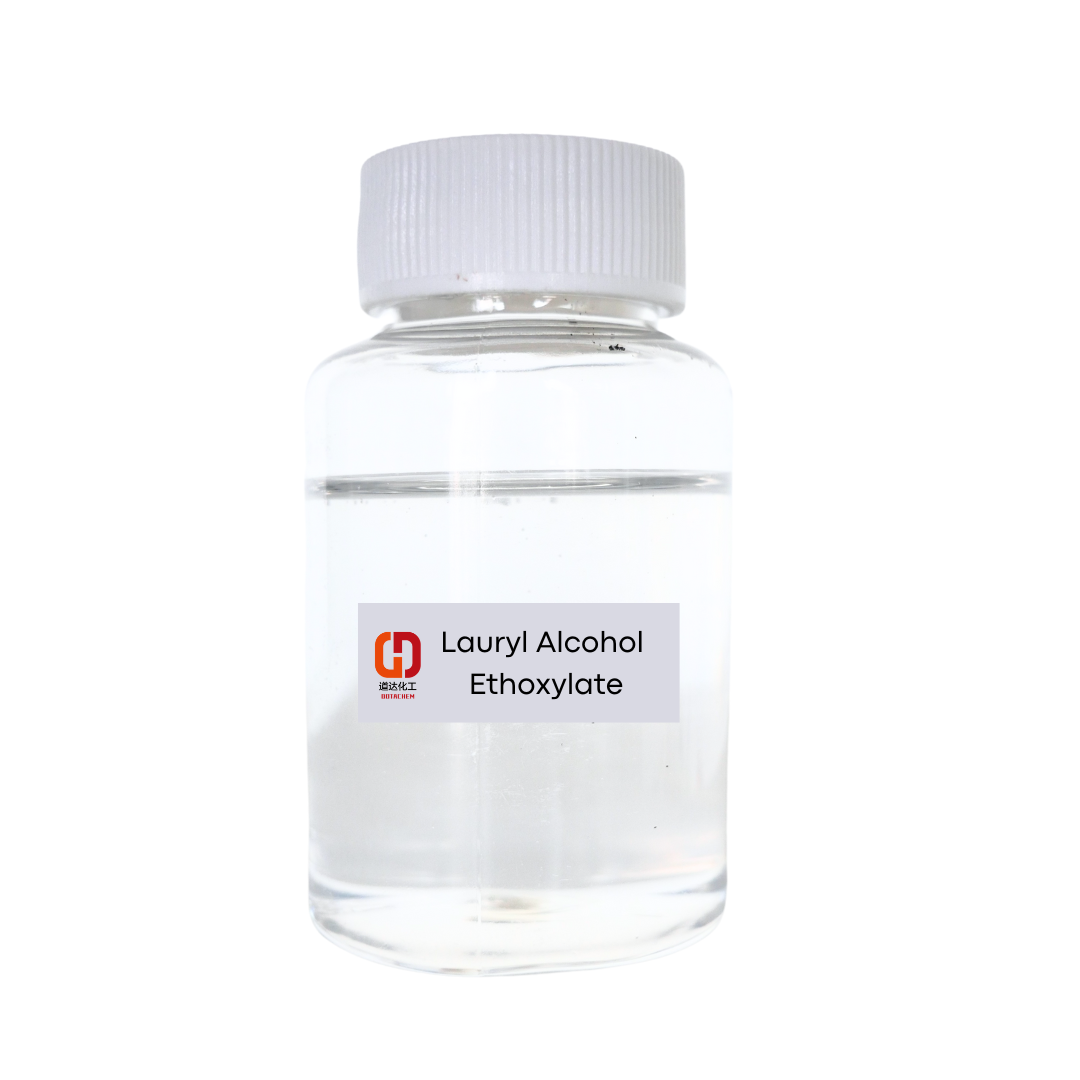
Ethoxylation is a chemical process that adds ethylene oxide units to molecules like fatty alcohols or alkylphenols, creating nonionic surfactants. This modification significantly boosts surface activity by lowering the surface tension of water more effectively than unmodified compounds. The ethylene oxide chains increase hydrophilicity, allowing the surfactant to dissolve better in aqueous solutions and spread more uniformly at interfaces. As a result, products like detergents and emulsifiers perform with greater efficiency, reducing the amount needed for tasks such as cleaning or wetting surfaces. This enhancement not only cuts costs but also minimizes environmental impact through lower chemical usage.
Stability improvements from ethoxylation stem from the flexible ethylene oxide segments that prevent surfactant molecules from clumping together in harsh conditions. In high-temperature or high-salt environments, traditional surfactants might precipitate or lose effectiveness, but ethoxylated variants maintain their structure and function. The added chains provide a steric barrier that reduces intermolecular attractions, keeping the surfactant dispersed in solution. For industries like agriculture or cosmetics, this means formulations remain consistent over time, ensuring reliable performance in products such as pesticides or lotions without separating or degrading.
Beyond basic functions, ethoxylation allows for fine-tuning surfactant properties by varying the number of ethylene oxide units, enabling customization for specific applications. For instance, a higher degree of ethoxylation can enhance biodegradability and reduce toxicity compared to non-ethoxylated alternatives, addressing regulatory and environmental concerns. In practice, this versatility has led to innovations in eco-friendly formulations and specialized industrial processes, making ethoxylation a key tool in chemical engineering for optimizing both surface activity and long-term stability in diverse settings.
Versatile Applications Across Industries: From Detergents to Cosmetics
These compounds are integral to modern life, seamlessly integrating into products that touch our daily routines in ways often unnoticed. Beyond their primary functions, they enhance performance by improving stability and compatibility in formulations, ensuring that detergents clean effectively while being gentle on fabrics and skin. Their adaptability allows manufacturers to tailor solutions for specific industrial needs, contributing to sustainability efforts through reduced waste and optimized resource use.
In the cosmetics sector, their versatility shines through in creating luxurious textures and long-lasting effects, from silky lotions to vibrant makeup. Innovations in this field harness their properties to develop multifunctional products that blend skincare with color, addressing consumer demands for efficiency and elegance. This crossover application underscores a broader trend of ingredient synergy, where lessons from one industry fuel breakthroughs in another.
As industries continue to evolve, the role of these materials expands into emerging areas like eco-friendly packaging and biotechnology, highlighting their enduring relevance. This journey from humble beginnings in household cleaners to cutting-edge beauty tech illustrates a dynamic narrative of innovation, driven by a commitment to enhancing both product efficacy and user experience across diverse markets.
Eco-Friendly Surfactant Solutions with Lauryl Alcohol Ethoxylate
In the quest for more sustainable cleaning and personal care products, lauryl alcohol ethoxylate has emerged as a key player. This surfactant, derived from renewable coconut oil sources, offers a gentle yet effective cleaning action while maintaining a lower environmental footprint compared to traditional petroleum-based alternatives. Its biodegradability ensures that it breaks down quickly in natural environments, reducing long-term ecological impacts.
What sets lauryl alcohol ethoxylate apart is its versatility across various applications, from household detergents to industrial formulations. Its ability to function efficiently in hard water conditions and across a wide pH range makes it a reliable choice for manufacturers looking to enhance product performance without compromising on eco-friendly principles. This adaptability has led to its increasing adoption in green chemistry initiatives worldwide.
Recent innovations in surfactant technology have further optimized lauryl alcohol ethoxylate, improving its efficacy while minimizing potential irritants. By blending it with other natural ingredients, companies are developing solutions that not only clean effectively but also align with consumer demands for transparency and sustainability. These advancements contribute to a cleaner, more responsible industry moving forward.
Optimizing Performance: Key Benefits in Industrial and Household Products
In today's fast-paced market, optimizing performance is no longer just a buzzword—it's a necessity for both industrial and household products. By fine-tuning every aspect, from material selection to energy consumption, manufacturers can deliver items that not only meet but exceed user expectations. This translates to tangible benefits like extended product lifespans, reduced maintenance needs, and superior functionality. For instance, in industrial settings, optimized machinery might cut downtime and boost efficiency, while in homes, appliances could run quieter and use less power, directly enhancing daily life.
Beyond the obvious advantages, performance optimization often uncovers hidden perks that set products apart. Consider how a well-engineered kitchen gadget doesn't just chop faster; it might be easier to clean, saving time and frustration. Similarly, in industries, optimized tools can improve safety by minimizing wear and tear that leads to accidents. These nuanced improvements create a ripple effect, fostering brand loyalty as users appreciate the thoughtful design. The real magic lies in how these tweaks, though seemingly small, accumulate into a noticeable difference that competitors struggle to replicate.
Ultimately, the drive to optimize is about balancing cost with quality to spark innovation. Instead of chasing fleeting trends, it encourages a deeper focus on user-centric design. Whether it's a smart meter that helps households manage energy or a factory robot that adapts to tasks seamlessly, the benefits are clear: less waste, better reliability, and a more satisfying experience. This approach not only future-proofs products but also builds a reputation for excellence that resonates in crowded markets, proving that performance isn't just about specs—it's about creating lasting value.
Innovative Trends and Future Developments in Ethoxylate Technology
Ethoxylate technology is undergoing a quiet revolution, driven by the push toward greener chemistry and more efficient industrial processes. One standout trend is the shift to bio-based feedstocks—imagine deriving ethoxylates from renewable sources like vegetable oils or agricultural waste instead of relying solely on petrochemicals. This isn't just about eco-friendliness; it's opening doors to novel molecule structures with enhanced biodegradability and lower toxicity. Researchers are also fine-tuning catalysts to make reactions more selective, reducing unwanted byproducts and slashing energy consumption. Picture factories where cleaner, 'smarter' ethoxylates roll off the line, tailor-made for everything from gentle detergents to high-performance agricultural sprays.
Looking ahead, the future hinges on customization and digital integration. Think of ethoxylates designed at the molecular level for specific applications—surfactants that self-assemble into precise micelles for drug delivery or coatings that adapt to temperature changes. Advanced modeling and AI are stepping in, predicting how tweaks in chain length or branching affect performance, speeding up R&D from years to months. Meanwhile, industries are eyeing circular economy models, where ethoxylates are recovered and regenerated, minimizing waste. It's a move from one-size-fits-all to bespoke solutions, with sustainability and efficiency as the driving forces.
Challenges remain, of course—scaling up bio-based production cost-effectively and ensuring regulatory harmony across regions. But the momentum is unmistakable. Collaborations between academia and industry are sparking breakthroughs, like enzyme-driven ethoxylation that operates under milder conditions. In the coming decade, expect ethoxylates to become even more versatile, quietly enabling innovations in sectors from personal care to oil recovery, all while treading lighter on the planet.
FAQ
Lauryl Alcohol Ethoxylate is a nonionic surfactant derived from lauryl alcohol, known for its excellent emulsifying and wetting properties, making it ideal for applications requiring gentle yet effective cleaning.
Its molecular structure combines a hydrophobic tail from lauryl alcohol with hydrophilic ethoxylate groups, allowing it to efficiently reduce surface tension and interact with both water and oils for versatile use.
It's widely used in personal care products like shampoos and detergents, as well as in industrial cleaners, agricultural formulations, and textile processing for its mildness and stability.
Compared to some surfactants, it tends to be more biodegradable and less irritating, often meeting eco-friendly and skin-safe standards in various regulatory guidelines.
It maintains stability across a broad pH range and varying temperatures, ensuring consistent performance in formulations from acidic to alkaline environments and in cold or hot water.
Its balanced properties, such as low toxicity and high compatibility with other ingredients, allow for custom blends that outperform more aggressive or less versatile alternatives, reducing the need for additives.
Conclusion
Lauryl Alcohol Ethoxylate has emerged as a premier surfactant solution, revolutionizing cleaning formulations by combining superior performance with versatility. Unlocking its power in these formulations, this compound excels in reducing surface tension, enhancing wetting, and improving emulsification. The ethoxylation process further amplifies its capabilities, boosting surface activity and stability, which translates into more effective and longer-lasting products. From household detergents to industrial cleaners, Lauryl Alcohol Ethoxylate offers a reliable foundation for creating high-efficiency solutions that stand out in competitive markets.
Beyond its cleaning prowess, this surfactant shines in diverse applications across industries, including cosmetics, where it contributes to gentle yet effective formulations. Its eco-friendly profile addresses growing sustainability concerns, offering biodegradable options that minimize environmental impact. Key benefits such as improved foam control, compatibility with other ingredients, and adaptability in various pH ranges make it a go-to choice for optimizing performance. Looking ahead, innovative trends in ethoxylate technology promise even greater advancements, ensuring Lauryl Alcohol Ethoxylate remains at the forefront of surfactant innovation for years to come.
Contact Us
Contact Person: Levi
Email: [email protected]
Tel/WhatsApp: +86 532 84688720
Website: https://www.polykem-intl.com