

Lost Wax Casting Manufacturer How to Select a Trusted Supplier for Precision Castings
2026-10-27
Most sourcing teams treat lost wax casting suppliers as interchangeable — until a batch of precision parts arrives with hidden porosity or dimensional drift. The real question isn't whether a foundry can pour metal; it's whether their process control, documentation, and metallurgical support can survive your actual application. With dozens of shops claiming ISO certification and 'full inspection,' separating a reliable partner from an expensive gamble takes more than a spreadsheet comparison. That's where the selection criteria get practical. This guide walks through the non-negotiable checks — from wax pattern tooling to NDT reporting — so you can qualify a lost wax casting manufacturer with confidence. If you've been burned by late deliveries or vague rejection reports, or if you're building a new vendor shortlist, Supreme Machinery is one example of a supplier that puts those details front and center. Let's break down what actually matters before you send an RFQ.
Verifying Lost Wax Casting Credentials Without Settling for Paperwork
Paper certificates are easy to photocopy and even easier to let expire. When you’re checking a foundry’s lost wax casting expertise, ask for the less glamorous evidence: recent process logs, shell building records, and pour temperature charts. These documents show whether the shop actually tracks the variables that ruin castings—wax injection pressure, slurry viscosity, and cooling rates—not just whether they once passed an audit.
Better yet, request a trial run or a sample from the same production line that would handle your parts. Watch how they react when you ask pointed questions about gating design or ceramic shell permeability. A foundry that can explain why they choose a particular sprue diameter for thin-walled bronze versus thick steel is worth more than a folder full of certificates. If they dodge the question or point back to a generic ISO binder, that’s your red flag.
Also consider a short on-site visit, even if it’s virtual. Walk the wax room and the dewaxing area. Look at how they store slurries and whether the shell room is climate controlled. These details never appear on a certificate but they determine whether your castings will arrive with porosity, cracks, or dimensional drift. Real capability is visible in the habits of the shop floor, not in the frame on the office wall.
Matching Foundry Experience to Your Alloy and Part Geometry
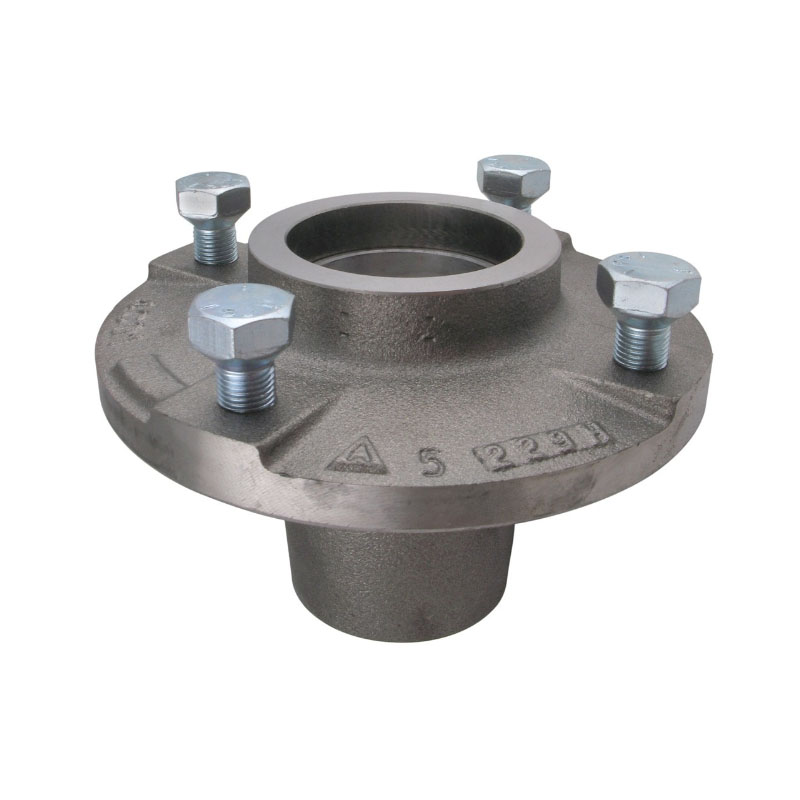
Thin-walled aluminum castings behave very differently from thick-section ductile iron, and a foundry that excels at one may struggle with the other. The alloy's fluidity, freezing range, and tendency to form oxides directly affect how metal fills narrow ribs or deep pockets. A shop that has poured similar geometries knows where to add chills, adjust gate velocity, or alter the runner layout before the first sample is ever cast.
Part geometry also drives riser placement and solidification control. High-strength steel alloys with heavy bosses and abrupt section changes are prone to shrinkage porosity and hot tears. Foundries with hands-on experience in these shapes understand that a riser placed a few millimeters off can mean the difference between a sound casting and a scrapped run. Their practical knowledge of alloy-specific solidification patterns often eliminates multiple prototyping iterations.
Rather than asking a foundry how many years they have been in business, ask to see examples that match your wall thickness, complexity, and alloy family. A portfolio of similar parts reveals whether the foundry has solved the specific fluid flow and feeding challenges your design presents. This targeted match shortens lead times, improves yield, and keeps tooling changes to a minimum.
Process Controls Worth Probing Before You Visit a Precision Casting Shop
Before stepping into a precision casting shop, it pays to ask how the foundry manages melt temperature and metal cleanliness. The difference between a tight tolerance casting and a scrap part often comes down to a few degrees of superheat or a missed de-gassing step. Look for operators who can walk you through their furnace logs, show you the filters they use on each pour, and explain why they chose a specific alloy modification for your geometry.
Beyond the furnace, pay attention to shell building and cooling curves. A shop that truly controls its process will have documented dwell times between coats, controlled humidity in the shell room, and a clear method for verifying shell thickness before dewaxing. Ask how they track individual molds through the line. If the answer is a shrug or a clipboard with gaps, keep digging. The best shops treat every heat as a small experiment and keep enough data to prove it.
Inspection Depth and Traceability That Go Beyond Standard Reports
Most inspection summaries stop at pass/fail. Ours start there and then go further: each checked dimension is logged with its actual measured value, tolerance band, and deviation, not just a checkbox. Surface defects are photographed with scale references and mapped to exact locations, so you see the same scratch or discoloration we saw, without needing to re-order samples.
Traceability is built into the record itself. Every finding links back to a specific cavity number, production shift, raw material lot, or operator station when that data is available. Instead of a generic “minor defects found,” you get a thread you can pull to see whether the issue repeats in one line or across batches.
That level of detail changes how problems get solved. A quality engineer can compare today’s data against last month’s shipment from the same factory and spot a drift before it becomes a rejection. Suppliers also respond differently when they know each point of evidence is retained, because vague disputes disappear once the measurement history is on the table.
The Prototype-to-Production Handoff Where Many Casting Suppliers Falter
The gap between a well-behaved prototype and a repeatable production run often opens up in the details that nobody thought to write down. A foundry might nail the first ten castings using a manual gating setup and hand-finished cores, then struggle when the same part moves to an automated molding line. Pouring temperatures, ladle transfer times, and sand compaction levels that were fine for a one-off suddenly become critical variables at higher volumes. Suppliers that skip a formal process capability study before committing to production end up chasing porosity, cold shuts, or dimensional drift after the customer has already scheduled assembly.
Documentation is another place where the handoff quietly breaks. Prototype loops run on sketches, marked-up prints, and verbal agreements between the pattern shop and the foundry floor. When the tool is revised for production, the changes rarely make it back into a single controlled drawing or inspection plan. The supplier may be working from an outdated model while the customer expects tolerances that were tightened after the last design review. By the time the mismatch is caught—usually at incoming inspection or during machining—the batch is already cast, and the argument over who owns the scrap begins.
Material substitutions add a third layer of risk. In prototyping, it is common to use virgin ingot or a tightly controlled alloy from a single heat. For the production quote, the supplier quietly raises the revert percentage or switches to a lower-cost charge material to hit the target price. Unless the foundry re-runs tensile bars, hardness checks, and microstructure analysis on the new melt practice, the delivered castings can look identical to the prototype yet fail under load or leak under pressure. The customer only discovers the change after parts are in the field, which turns a small cost-saving decision into a warranty and recall problem.
Transparent Pricing vs. Hidden Costs in Precision Casting Quotes
Most precision casting buyers have learned to distrust a quote that arrives as one clean number. Unit cost rarely tells the whole story. A foundry that itemizes tooling, heat treatment, non-destructive testing, and secondary machining gives you a basis for comparison; one that folds those into a lump sum can bury assumptions you never agreed to.
The real friction shows up later. A low per-piece price might quietly exclude straightening, rework, or expediting charges that surface after the first article inspection. Transparent quotes list what is included in the casting envelope, how many setups are covered by tooling, and what tolerance limits trigger an extra charge. That kind of detail doesn't just protect your budget, it tells you whether the supplier understood the part.
FAQ
Ask for a live video tour of the wax injection, shell building, and pouring areas. Request the physical address and check whether it matches business registrations. A genuine foundry will also be able to discuss furnace capacity, shell drying cycles, and alloy-specific pouring temperatures without hesitation.
Request dimensional inspection data from a recent similar job, including CMM or optical measurement reports. Ask how they measure and track shell thickness, dewaxing temperature, and metal pouring temperature. A trustworthy supplier will show you their in-process inspection checklists, not just final inspection certificates.
They should be able to explain how shrinkage rates differ between stainless steel, carbon steel, aluminum, and high-temperature alloys like Inconel. Ask for specific examples of parts they have cast in your required material. If they only mention one or two materials or cannot discuss gating design adjustments for different alloys, that is a warning sign.
Look beyond the piece price. Clarify whether tooling, samples, heat treatment, machining, and packaging are included. Ask about minimum order quantities and whether they apply to each part number or the whole order. A slightly higher unit price may be cheaper overall if it includes finishing and avoids hidden charges.
Watch for vague answers about tolerances, reluctance to share customer references, or quotes that arrive far below the average without explanation. Also be cautious if they promise extremely tight tolerances on every dimension without reviewing your drawing first, or if they cannot describe their scrap rate and corrective action process.
In-house tooling lets them adjust wax patterns and dies quickly, which shortens sample iterations. In-house finishing such as CNC machining, heat treatment, and surface treatment reduces the number of outside vendors involved, lowering the chance of quality disputes and shipping delays.
You should receive material certificates, dimensional inspection reports, heat treatment records, and non-destructive testing results where applicable. The supplier should also keep traceability records linking each casting to its heat lot and raw material batch, and be able to provide them promptly upon request.
Send them a representative drawing and ask for design-for-manufacturing feedback. An experienced supplier will quickly point out potential problems such as thin walls, isolated heavy sections, or trapped air in internal cavities and suggest practical modifications. If the response is just 'we can make it' with no technical discussion, they may lack deep process knowledge.
Conclusion
Choosing a lost wax casting manufacturer often begins with checking certificates and registrations, but a supplier's claim to ISO or material compliance isn't enough by itself. You need to see how those credentials translate into shop floor reality. Ask for specific examples of parts similar to yours—same alloy family, wall thickness, and surface finish requirements—and find out whether the foundry has successfully poured those geometries in recent production runs. A foundry that understands your alloy's solidification tendencies and your part's dimensional quirks will anticipate problems before tooling is cut. Instead of accepting a generic quality manual, request a walk-through of their process controls: how they monitor wax temperature, slurry viscosity, shell drying conditions, and pouring parameters. These are the variables that directly determine casting soundness, and a trustworthy supplier will have records that show they are controlled shift after shift, not just during an audit.
Deeper inspection capability is another line of defense. Many suppliers offer a standard dimensional report and chemical analysis, but the ones worth your time can provide radiographic or penetrant testing when the part demands it, along with full material traceability back to each heat. The handoff from prototype to production is where relationships often break down, so probe how the supplier manages tooling revisions, process parameter lock-in, and first article approvals. If they cannot explain exactly how a prototype process will be scaled—or how deviations get flagged and corrected—that's a warning sign. Pricing discussions should reveal the same transparency. A quote that unbundles tooling, sampling, NDT, and secondary operations is more credible than a lump-sum figure that hides assumptions. Trust, in this field, is built on evidence you can verify, not on polished sales documents.
Contact Us
Contact Person: Paul
Email: [email protected]
Tel/WhatsApp: 8615067447509
Website: https://www.spironcasting.com