

Office Chair Sourcing Guide for Quality and Cost Savings
2026-09-29
Most office chair sourcing guides promise quality or savings, but rarely both—and even more rarely show you how to get them without endless back-and-forth. That's exactly why this guide exists. We skip the fluff and dig into real cost drivers, material trade-offs, and negotiation levers that procurement teams actually use. With OFCJNS, you get field-proven tactics to secure durable, comfortable seating at a price that makes finance happy.
What Actually Makes an Office Chair Last
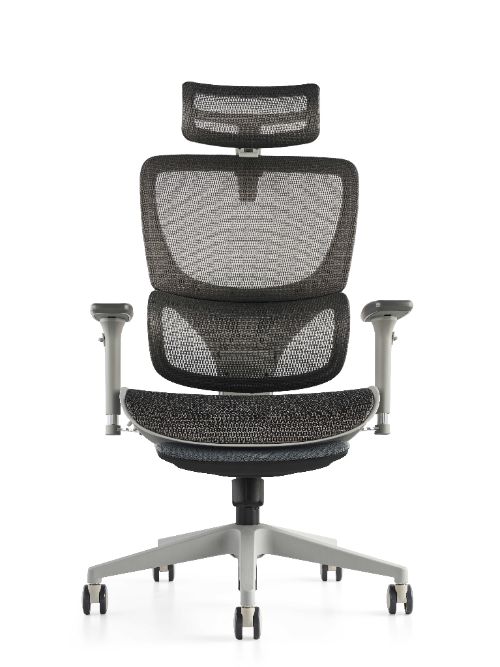
The lifespan of an office chair rarely comes down to a single feature. It’s more about the quiet details: a five-star base made from reinforced nylon or polished aluminum, a gas lift that doesn’t wobble after six months, and casters that roll smoothly over both carpet and hard floors without chewing themselves apart. Chairs built for heavy use usually carry a BIFMA certification or a weight rating above 250 pounds, which signals that the frame and mechanism have been tested for repeated stress rather than just assembled to look good in a showroom.
Upholstery matters more than most people expect. Bonded leather and thin polyester blends start cracking or pilling within a year of daily use, while high-density foam paired with a tight weave fabric or top-grain leather keeps its shape and texture far longer. The stitching along the seat and back should feel tight and even, with reinforced edges where your body shifts most. If the armrests are made from soft-touch polyurethane instead of hard plastic, they’ll survive years of elbows and forearms without turning sticky or peeling.
Finally, maintenance and adjustability play an underrated role. A chair with a simple tilt tension knob, adjustable lumbar support, and a seat depth slider lets different users sit properly, which reduces the kind of uneven wear that kills cheap chairs. Periodic checks—tightening bolts, cleaning casters, and lubricating the tilt mechanism once or twice a year—can easily add three to five years of comfortable use. Chairs that make these small fixes awkward usually end up in the landfill long before their frame would have failed.
Smart Timing for Bulk Orders
Most buyers trigger bulk orders when stock hits a reorder point or when a sales spike catches them off guard. That habit quietly eats margin through rush freight, missed volume breaks, and supplier overtime charges. A better approach is to track your suppliers' production calendars and raw material lead times, then place orders during their slow weeks. For example, many factories offer informal discounts in late summer or right after a major holiday shutdown, simply because their lines are idle. Timing your order to land in that window often cuts unit cost by 10–15% without any negotiation.
The other side of smart timing is aligning the order with your own cash flow and storage reality. If you sell seasonal goods, don't just buy early—buy early with a delayed shipment clause, so the supplier holds inventory and releases it in batches as your peak approaches. For fast-moving consumables, consider blanket orders with monthly call-offs instead of one giant delivery. This keeps your warehouse from choking on pallets while locking in bulk pricing. The goal isn't to order the maximum whenever you can; it's to place the order when the supplier wants the business and receive the stock when you actually need it.
Ergonomics Beyond the Buzzword
Ergonomics often gets reduced to a label on office furniture, yet the real concept runs much deeper than a marketing claim. It’s not about a chair that merely looks adjustable or a keyboard with a split design. True ergonomics starts with observing how your body actually moves through a workday—where tension builds, which postures you repeat, and which tools silently fight against your natural range of motion.
A costly ergonomic chair can still leave you slouched if the seat depth doesn't match your legs, while a simple footrest might eliminate the knee pressure that no lumbar support can fix. The difference lies in fitting the setup to your specific frame and tasks, not collecting products with the right buzzword. Small adjustments—raising a monitor so your eyes land near the top third of the screen, or moving a mouse closer to avoid shoulder rotation—often outperform expensive redesigns.
Ultimately, ergonomics beyond the buzzword is a continuous practice rather than a one-time purchase. It means changing positions regularly, listening to early signs of strain, and rethinking workflows so that equipment adapts to people instead of the other way around.
Hidden Costs in Cheap Imports
At first glance, a $12 toaster or a $4 T-shirt seems like a smart buy. The sticker price, however, rarely tells the full story. Cheap imports often carry hidden costs that surface months or even weeks after the purchase: batteries that die faster, seams that unravel after three washes, electronics that fail just outside the return window. You end up replacing the item sooner, which means spending more over time than if you had bought a sturdier, slightly pricier alternative.
There are also costs you don't see at the register but pay for collectively. Goods manufactured in regions with lax environmental and labor standards can lead to polluted waterways, unsafe working conditions, and higher public health burdens in the exporting countries—and sometimes the importing ones, once discarded products enter local waste streams. These externalities aren't listed on the label, but they don't disappear.
Then there's the repair problem. Many budget imports are designed without replaceable parts or accessible service centers. When a $30 kettle stops heating, fixing it often costs more than buying a new one, so it goes to a landfill. The cycle repeats: low upfront price, shorter lifespan, repeated replacements. That's the real math behind a bargain.
Negotiation Levers Most Buyers Miss
Most buyers walk into a negotiation thinking price is the only dial that matters. They fixate on the sticker number, push for a discount, and call it a day. But seasoned negotiators know that a deal is a bundle of variables—payment terms, delivery timelines, service inclusions, warranty length, training, exclusivity clauses, even the right to renegotiate after certain milestones. Each of these is a lever you can pull when the other side refuses to move on price. Instead of demanding a lower rate, ask for extended payment windows or a longer maintenance period. These often cost the seller less than a direct price cut, which means they're more likely to say yes.
Another overlooked lever is the relationship itself. Buyers rarely think about what they can offer beyond money—volume commitments, faster onboarding, public case studies, or being a reference account. If you can promise a multi-year contract or agree to consolidate purchases from a single vendor, that's worth something. Sellers will trade favorable terms for a lower-risk, longer-term engagement. Yet many buyers keep their cards hidden, treating negotiation as a zero-sum game over line items instead of a conversation about mutual priorities. The shift from "what can I get" to "what can I give that costs me little but helps them a lot" unlocks concessions you'd never see on a price sheet.
Timing is a lever most buyers ignore completely. Walking away from a deal at the right moment—or simply being patient—can be more powerful than any argument. Sellers have quotas, quarter-end pressures, and inventory cycles. If you know their fiscal calendar, you can time your ask for when they're most flexible. Similarly, using silence after an offer, or asking a question like "Is that the best you can do?" and then waiting, forces the other side to fill the gap. These behavioral levers cost nothing, require no concession from you, and often yield better terms than another round of haggling. The buyers who win aren't the loudest or the most aggressive—they're the ones who see the full board of moves available beyond the price tag.
Warranty Clauses Worth Reading Twice
Nobody reads the warranty until something breaks, but the second read is where the real story lives. A “lifetime” guarantee may only mean the lifetime of the product’s original model line, not your ownership. Similarly, “water-resistant” might be limited to fresh water, not saltwater or steam. These qualifiers are easy to miss on a quick skim.
The clause about “normal wear and tear” deserves a double take because it often excludes the exact parts most likely to fail: hinges, seals, batteries, or fabric. If the warranty says it covers manufacturing defects only, then a zipper that splits after eight months may be deemed ordinary use, not a defect. Reading twice lets you spot that gap before you buy.
FAQ
Look beyond the upholstery and focus on the frame, base, and gas lift. A chair with a reinforced nylon or aluminum base and a Class 4 gas lift typically survives daily use far longer than cheaper alternatives, even if the seat fabric wears out first.
Negotiate volume pricing on a smaller set of proven models instead of buying a wide mix of styles. Standardizing on two or three chair types cuts replacement part inventory, simplifies repairs, and often unlocks better per-unit pricing.
Mesh backs and seats tend to trap less dust and are easier to clean than padded fabric. If you expect heavy daily use, choose double-layer mesh or a tightly woven textile rated for high abrasion, which reduces the need for early replacement.
Adjustable lumbar support, seat depth, and armrest height matter more than extra reclining angles. A chair that fits a wider range of body sizes prevents pressure points and lowers the chance of costly discomfort-related absences.
Don't just look at years of coverage. Check which parts are included, whether labor and shipping are covered, and how the supplier handles claims. A five-year warranty that includes the gas lift and casters is often worth more than a ten-year warranty that only covers the frame.
Ask suppliers for sample units and let different employees use them for at least a week. Collect feedback on seat comfort after long sitting periods and ease of adjustment. This hands-on trial catches issues that spec sheets miss.
If a chair will be used more than six hours a day, the extra cost for a better mechanism and denser foam cushioning usually pays back through fewer replacements and fewer complaints. Budget chairs may look similar but often fail within two years under heavy use.
Chairs that ship partially assembled or in compact cartons can sharply reduce freight and storage expenses. Specify knockdown packaging when possible, and confirm the supplier will replace any parts damaged in transit without extra charges.
Conclusion
A chair that survives five years instead of two rarely costs twice as much—it costs less per month once you factor in replacement downtime and disposal. The real difference sits in the base, cylinder, and fabric grade, not the showroom shine. Look for reinforced nylon or aluminum bases, a Class 4 gas lift tested beyond 50,000 cycles, and double-stitched seams on high-wear zones. Bulk ordering helps only when you match delivery windows to your actual office fit-out timeline. Buying six months before a lease signing means paying storage fees or risking spec changes. Buy too late and you inherit whoever has surplus stock—often the exact models with sluggish lead times or discontinued parts.
Ergonomics starts where the spec sheet ends: a chair can list adjustable lumbar and still pinch a tall user because the seat depth range is too short. Test with the three body types who'll actually use them, not the procurement team's average. Cheap imports lure with low unit price but hide freight consolidation charges, missing fire certificates, and inconsistent foam density that voids comfort claims within a year. In negotiation, move past price per unit—ask for locked spare-part pricing, free cylinder replacements in year two, and penalty clauses for late delivery. Finally, read warranty language for exclusions around "normal wear" and fabric pilling; if those clauses are vague, demand written clarification before signing. A well-negotiated chair contract saves far more than any single discount.
Contact Us
Contact Person: Diff Wang
Email: [email protected]
Tel/WhatsApp: +8613650281199
Website: https://www.ofcmeshchair.com/