
Powerful Metal Shredder Manufacturer Delivers Heavy-Duty Recycling Machines
2026-11-16
When worn-out appliances, scrap metal, and industrial leftovers start piling up, most recycling operations hit the same wall: equipment that promises power but collapses under real workload. That’s where Shengzhong Shredder steps in. As a metal shredder manufacturer built around heavy-duty demands, Shengzhong delivers machines that don’t just survive tough feed materials—they chew through them hour after hour. In this post, we’ll look at what separates a genuinely rugged shredder from a short-lived one, and why so many scrap yards and recycling plants are switching to Shengzhong for their core processing line.
Turning End-of-Life Vehicles into Market-Ready Scrap
A dead car sitting in a yard isn't just rust and rubber—it's a stack of usable material waiting to be processed correctly. The real work begins after the fluids are drained and the battery is pulled. What remains passes through a sequence of cuts, shreds, and magnetic separations until it splits into clean streams: ferrous metal, aluminum, copper, and leftover fluff. Each step has to line up with what a scrap buyer actually pays for, not what looks good on paper.
Market-ready scrap doesn't happen by accident. It's about knowing which components hold value and which ones contaminate the load. Wiring harnesses come out before the shell gets crushed. Catalytic converters get pulled, weighed, and sold separately. The steel body itself gets densified into uniform bales or shredded pieces sized for a mill's feed requirements. If you're tossing a whole car into the pile and hoping for the best, you're leaving money on the ground.
The goal is simple: deliver a product that a smelter or foundry can use without extra handling. That means reducing non-metallic content, keeping moisture low, and sorting alloys well enough that downstream buyers don't hesitate to bid. A vehicle that's been properly dismantled and processed moves faster and prices higher than one that still looks like a car. End-of-life vehicles aren't waste—they're feedstock, but only if you transform them the right way.
Where High Torque Meets Hardened Wear Parts
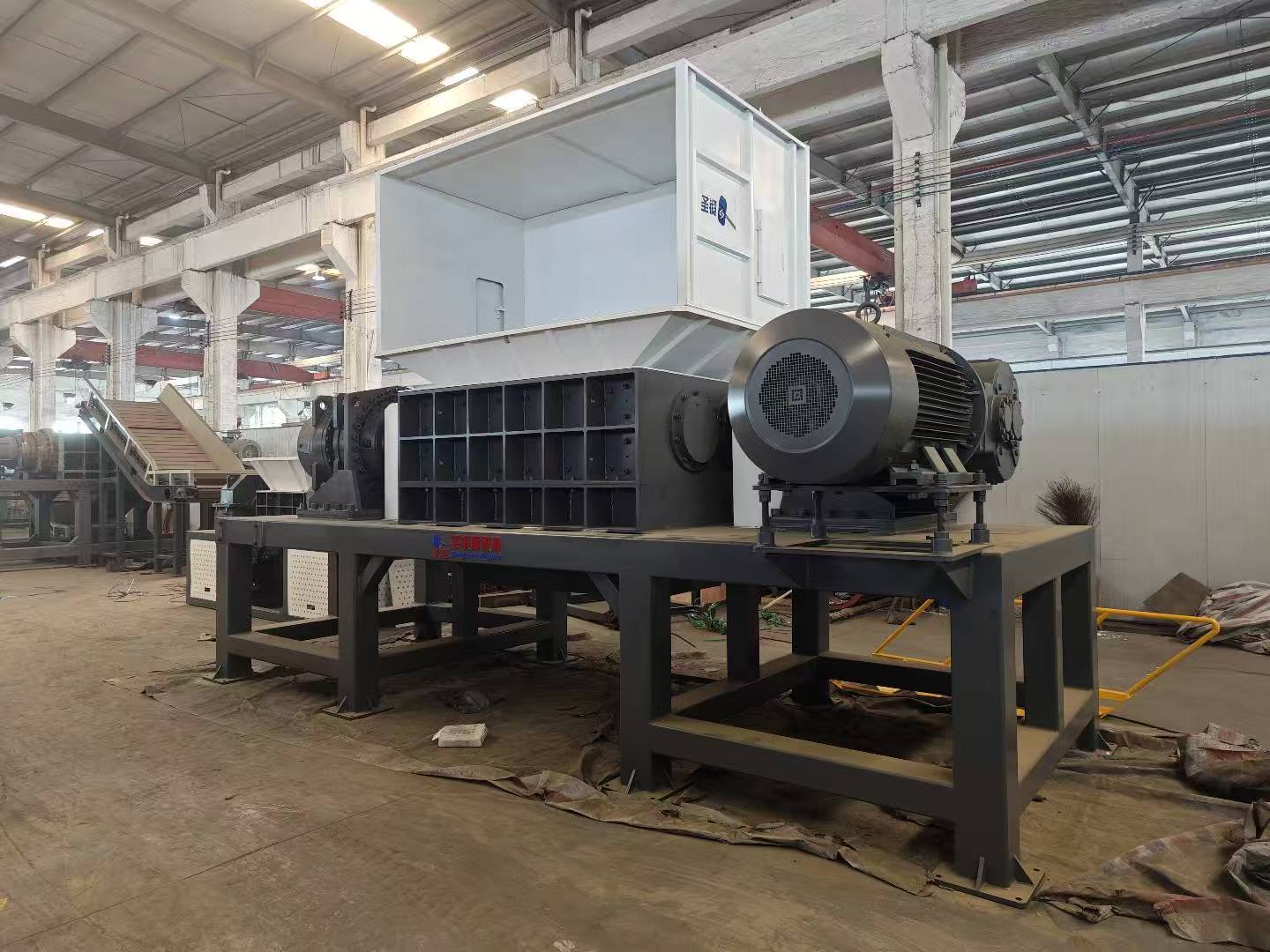
High torque is only useful if the surfaces taking that load can keep their shape. On paper, a drivetrain can deliver enormous rotational force; in the field, that force turns into heat, vibration, and abrasive contact against the wear parts. Hardened wear components are what allow the torque to be pushed harder without the usual penalty of rapid edge rounding or surface tearing.
The real difference shows up where ordinary steel begins to smear and lose its grip. Hardened wear parts hold a cleaner working edge under twisting load, so the available torque is spent doing actual work instead of being wasted as slip. That means fewer stalls, less chatter, and a wear surface that degrades gradually rather than failing in chunks.
It is a combination that matters most in mixed or abrasive conditions, where torque spikes are constant and materials vary by the inch. The hardened face spreads stress across a stable boundary instead of letting it dig into soft metal. The result is not just longer life on paper, but a machine that stays predictable when the ground gets ugly.
Keeping Throughput Steady When the Infeed Never Stops
A steady infeed doesn't mean the rest of the line gets to relax. If your downstream process can't absorb the constant arrival of material, piles form, operators rush, and quality quietly slips. The goal isn't to throttle the source but to give every stage a predictable rhythm. Look for the smallest station that consistently falls behind—often a manual inspection point or a transfer step that pauses for just a second too long. Once you see it, the fix is rarely expensive: adjusting guide rails, relocating a sensor, or rebalancing one task between two operators can keep the flow moving without ever touching the main conveyor speed.
What actually holds throughput steady is not speed but small buffers placed exactly where variation lives. A short accumulation zone before a labeling head or a narrow staging lane after filling absorbs the micro-stops that otherwise ripple upstream. These buffers don't need to be large; they need to be visible and easy to clear. When operators can glance at a lane and know if they have thirty seconds or three minutes, they stop firefighting and start pacing the line. The infeed keeps running, but the pressure disappears because every handoff has somewhere to go.
The trick is to stop treating throughput as a single number and start watching the gaps between cycles. Feeders run on their own clock, but downstream equipment drifts with wear, temperature, and shift changes. Measure the time between the last part of one cycle and the first of the next at each transition. Where that gap shrinks to nothing, you have a silent bottleneck forming. Moving a maintenance check earlier in the day or adjusting a timer by half a second often matters more than adding another operator. Keep the infeed honest, but build the line so it can breathe even when the feed never stops.
Why Rotor Design Matters More Than Horsepower Alone
A dyno sheet can flatter a brake system with big numbers, but peak horsepower rarely tells you how a rotor behaves after the third hard stop. Rotor mass, vane geometry, and metallurgy decide whether heat gets stored, shed, or shoved into the pads and fluid. Two setups can post identical power figures, yet the one with a poorly designed rotor will fade earlier, warp sooner, and demand more pedal effort when it matters.
The real difference shows up in the shape of the rotor's internal cooling vanes and the way the friction rings expand. A well-engineered rotor doesn't just absorb kinetic energy; it moves air through the hat at a rate that keeps the surface temperature below the point where pad transfer turns inconsistent. That consistency is what lets a driver brake later lap after lap, without chasing a moving pedal or dealing with judder through the wheel.
Horsepower gets you down the straight faster, but rotor design gets you through the corner without losing confidence. On the street, it means fewer warped-disc comebacks and a firmer lever feel after long descents. On track, it means the difference between hitting your mark every lap and backing off because the brakes stopped talking to you.
From Light Gauge Sheet to Cast Iron Blocks Without Stalling
Moving from thin sheet to a dense cast iron block usually means rethinking how the workpiece is held, not just swapping tools. The sheet will flex under too much clamping pressure, while the casting demands a rigid setup to stop it from shifting during interrupted cuts. If the same fixture pressure is used for both, the sheet distorts and the block chatters, so the real skill is building quick-change plates that let you move between the two without stopping to reset every jaw.
Feed rates and spindle loads also change sharply. Light gauge sheet likes a high surface speed and a shallow depth of cut; cast iron blocks punish that approach with edge wear and abrasive dust. A smoother transition comes from setting tool offsets for both material groups ahead of time and keeping a dedicated set of inserts for the cast iron side. That way the machine does not sit idle while someone fine-tunes speeds at the control panel.
On the floor, the easiest way to avoid stalling is to treat the changeover as one continuous setup rather than two separate jobs. Pre-stage the castings on a pallet, preset the boring heads offline, and use the same reference edges for both materials so the program does not need a full re-zero. The difference between a smooth shift and a stalled one is rarely the machine itself; it is whether the next part is ready before the last sheet leaves the table.
Signs You Are Working With a Builder That Runs Its Own Machines
A builder that runs its own machines tends to move differently on site. You won't see a crew standing around waiting for a rented excavator to arrive from across town. The operator already knows the machine's quirks, the maintenance schedule, and how it handles in local soil. This kind of rhythm shows up in small ways: trenches cut clean the first time, materials placed exactly where they'll be needed next, and a foreman who can adjust plans mid-dig without making a phone call. It's the difference between coordinating with a vendor and simply walking over to your own equipment.
Another signal is the condition of the equipment itself. When a company owns its fleet, the machines are more likely to be washed down at the end of the week, stored under cover, and serviced before a problem becomes a breakdown. You can often spot this from the outside: clean hydraulic lines, newer tracks, cabs that aren't full of mud and old coffee cups. Ownership creates a longer time horizon. A machine that will be used on the next job and the job after that gets treated with more care than one that gets returned at the end of the month.
You may also notice scheduling flexibility that rented equipment doesn't easily allow. A builder with its own machines can start at first light without waiting on a delivery window, pause for weather, then resume without re-booking. If a footing needs a slightly wider bucket or a different attachment, that switch happens in minutes rather than days. This adaptability doesn't always get mentioned in estimates, but it shows up in how smoothly the project moves from foundation to rough grading.
FAQ
They are built for a wide range of scrap, including aluminum, copper, steel, cast iron, and mixed metal streams. The cutting geometry and drive power are matched to the material so the machine doesn't bog down when the feed changes.
The rotor assemblies, liners, and bearings are sized for round-the-clock use rather than short bursts. Many sites run them through multiple shifts, and the main wear parts are designed to be replaced quickly without pulling the entire unit offline.
Yes. The manufacturer usually starts with the throughput target and available floor space, then adjusts infeed height, discharge arrangement, and control integration to suit the current setup. That keeps installation work from turning into a complete plant rebuild.
Enclosed cutting chambers, interlocked access doors, automatic load sensing, and emergency stop circuits are standard. The control system also monitors vibration and temperature, so operators get an early warning before a small issue becomes a serious failure.
It uses a combination of aggressive feed control and reversible rotor action to clear jam-prone material. Non-metallic contaminants like rubber or plastic are usually liberated during shredding and can be separated downstream, which leaves a cleaner metal fraction.
The screen or grate size determines the final piece dimension, and the cutting tools maintain that opening through their service life. As a result, operators see a steady discharge size instead of a wide mix of oversize chunks and fine dust.
Support typically covers commissioning, operator training, spare parts planning, and follow-up inspections. The goal is to keep the line running at full capacity rather than leaving the customer to figure out maintenance on their own.
Conclusion
A heavy-duty shredder earns its keep when it can take a stripped car shell, push it through the same chamber as light gauge sheet, and still bite into a cast iron block without backing off. That kind of range does not come from horsepower claims alone. It comes from a rotor built to maintain clearance under load, coupled with a drivetrain that delivers torque where the cutting edges actually meet the metal. When the infeed never stops—because operators are feeding continuously from a shear or grapple—the machine has to keep throughput steady instead of pulsing, bogging, or waiting for the rotor to recover. Hardened wear parts in the housing, liners, and shaft mounting areas do the quiet work here, keeping tolerances from drifting after months of abuse.
What separates a genuine builder from a parts assembler often shows up in the details that only surface after years of running their own equipment. A manufacturer that operates its own shredders tends to design for the real bottlenecks: rotor access for weld repair, replaceable wear plates that can be swapped without pulling the whole housing, and drive settings that respond to load changes before a stall becomes a shutdown. End-of-life vehicle processors are not looking for a demo that works once. They want a machine that can turn a continuous pile of mixed scrap into market-ready material the next morning, shift after shift.
Contact Us
Contact Person: Leon
Email: [email protected]
Tel/WhatsApp: 8615385558866
Website: https://www.shred-waste.com