

Silicon Steel Factory - Revolutionizing Industrial Production and Efficiency
2026-01-22
In the rapidly evolving landscape of industrial manufacturing, silicon steel stands out as a critical material for powering today's world—from electric vehicles to renewable energy systems. Its role in enhancing efficiency and reducing energy consumption has never been more vital. This blog delves into how modern silicon steel factories are at the forefront of innovation, driving a revolution in production processes and sustainability. Key players, such as Jiangsu Baowu New Materials, are leading the charge with cutting-edge technologies and a commitment to excellence. Join us as we explore the fascinating journey of silicon steel, uncovering the secrets behind its transformative impact and the quiet forces shaping a greener, more efficient future. Stay tuned to learn how these advancements are not just improving industry standards but redefining them altogether.
Innovative Manufacturing Techniques in Silicon Steel Production
Silicon steel, often utilized in electrical applications like transformers and motors, has seen significant advances in production methods. Traditionally, processes involved hot rolling and annealing, but modern innovations have shifted toward more efficient approaches. For instance, rapid solidification techniques and thin-strip casting allow for finer grain structures, enhancing magnetic properties and reducing energy losses. These methods not only improve performance but also streamline manufacturing timelines, making them increasingly popular in the industry.
Another area of innovation lies in surface treatment and coating technologies. By applying advanced insulation layers, manufacturers can better control core losses and increase durability. Developments like laser ablation and plasma-enhanced chemical vapor deposition enable precise modifications to the steel's surface, leading to higher efficiency in electrical devices. This focus on micro-level adjustments helps reduce material waste and supports sustainable practices in production.
Emerging trends also include the integration of digital tools, such as AI-driven monitoring systems and robotics, which optimize rolling and annealing processes. These technologies enhance consistency and output quality, allowing producers to fine-tune parameters like temperature and pressure in real time. As a result, silicon steel products achieve greater reliability and performance standards, meeting the growing demands of the energy and electronics sectors while keeping costs manageable.
Key Applications Driving Industrial Efficiency
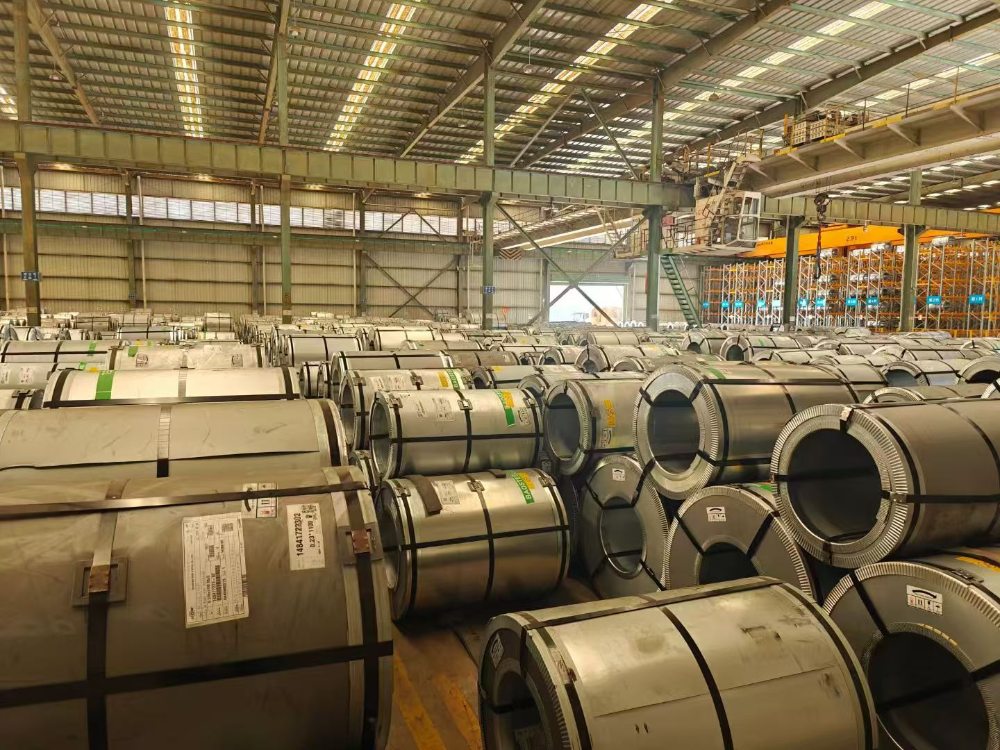
Industrial efficiency is no longer just about cutting costs; it's about smart applications that transform operations. From predictive maintenance tools that anticipate equipment failures before they happen, to real-time data analytics that optimize production lines, these innovations are reshaping how factories and plants operate. By leveraging IoT sensors and AI algorithms, companies can reduce downtime, minimize waste, and boost output, all while keeping quality in check—creating a leaner, more responsive industrial environment.
Another game-changer is the integration of robotics and automation. Cobots (collaborative robots) are working alongside human workers, handling repetitive tasks with precision and freeing up staff for more complex decision-making. This synergy not only speeds up assembly lines but also enhances safety and consistency, ensuring products meet rigorous standards every time. It's not just about replacing labor; it's about augmenting human capabilities to drive productivity to new heights.
In the supply chain, digital twins and cloud-based platforms are making waves. These applications create virtual models of physical processes, allowing managers to simulate changes and identify bottlenecks without disrupting actual operations. By streamlining logistics and inventory management, businesses can respond faster to market demands and reduce lead times, effectively turning efficiency from a goal into a competitive advantage.
Energy Savings and Environmental Sustainability
Energy savings directly contribute to environmental sustainability by reducing reliance on non-renewable resources and cutting greenhouse gas emissions. As organizations and individuals adopt efficient technologies and practices, they not only lower operational costs but also help mitigate climate change impacts. For instance, upgrading to LED lighting or optimizing heating and cooling systems can lead to significant energy reductions, fostering a healthier planet for future generations.
Beyond the immediate environmental benefits, sustainable energy practices encourage innovation and economic growth in green industries. Investments in renewable energy sources like solar and wind power create jobs and drive technological advancements, making sustainability a core component of modern progress. This approach builds resilient communities less vulnerable to energy price fluctuations and resource shortages.
Integrating energy efficiency into daily life also promotes a culture of conservation, where small actions—such as reducing standby power or choosing energy-efficient appliances—accumulate into substantial global impacts. By prioritizing sustainability, we align economic interests with ecological responsibility, paving the way for a balanced and prosperous world.
Technological Advances Enhancing Material Properties
From the development of graphene to the emergence of self-healing polymers, ongoing breakthroughs in nanotechnology and material engineering are fundamentally reshaping what materials can do. These innovations not only improve strength and durability but also introduce dynamic functionalities like responsiveness to environmental changes or integration with electronic systems. As research delves deeper into atomic-level manipulation, properties once considered fixed are now being tailored to meet specific demands across industries.
For instance, advances in additive manufacturing, such as 3D printing with composite materials, allow for intricate designs that enhance material performance without compromising on weight or cost. This has led to custom-engineered solutions in aerospace and medicine, where lightweight yet robust components and biocompatible implants are crucial. By leveraging computational modeling and artificial intelligence in the design phase, scientists can predict and optimize material behaviors before physical production, reducing trial-and-error and accelerating innovation.
In the realm of sustainability, technological strides are enabling materials to become greener and more efficient. Innovations like smart coatings that repel pollutants or energy-harvesting textiles demonstrate how enhanced properties can address global challenges. These developments often involve interdisciplinary approaches, combining chemistry, physics, and engineering to create multifunctional materials that adapt and evolve, hinting at a future where materials themselves become intelligent partners in technological progress.
Global Market Trends and Economic Impact
Navigating the complexities of today's global markets reveals a tapestry woven with rapid technological advancements, shifting consumer behaviors, and geopolitical uncertainties. These trends are not merely abstract concepts; they directly influence economic stability and growth across nations. For instance, the rise of digital currencies and fintech innovations is reshaping traditional financial systems, while supply chain disruptions highlight vulnerabilities in global trade networks.
The economic ramifications of these market movements are profound, often dictating investment strategies and policy decisions. From fluctuating commodity prices to evolving labor markets, each trend carries ripple effects that can either bolster or challenge economies. Consider how sustainability initiatives are driving green investments, creating new industries while phasing out older ones, thereby altering employment landscapes and GDP contributions in diverse regions.
Ultimately, understanding these interconnected dynamics is crucial for stakeholders aiming to mitigate risks and capitalize on opportunities. By analyzing real-world case studies, such as the impact of trade agreements on local businesses or the role of technological adoption in economic recovery, we gain insights into fostering resilient economies in an ever-changing global arena.
Future Directions for Smart Factory Integration
Looking ahead, the landscape of smart factory integration is set to evolve beyond mere automation, diving deeper into the realms of predictive analytics and adaptive systems. Rather than just connecting machines, future efforts will focus on creating seamless ecosystems where data flows effortlessly between design, production, and logistics, enabling real-time decision-making. Imagine production lines that not only respond to changes but anticipate them, adjusting workflows based on global supply chain shifts or customer preferences, all while minimizing waste and maximizing efficiency. This shift will blur the lines between physical and digital operations, fostering a more resilient and responsive manufacturing environment.
Another key direction involves enhancing human-machine collaboration, moving from simple interfaces to intuitive, context-aware tools that empower workers with actionable insights. Instead of replacing jobs, smart integration will augment human expertise, offering augmented reality overlays or voice-controlled assistants that guide assembly processes or troubleshoot issues on the fly. This personalized approach not only boosts productivity but also improves safety and job satisfaction, making factories smarter in ways that truly matter to the people inside them. By prioritizing such human-centric designs, companies can bridge the gap between technological advancement and practical, everyday operations.
FAQ
Silicon steel is crucial due to its high electrical resistivity and low core loss, which enhance efficiency in transformers and motors by reducing energy waste as heat.
By using recycled materials, implementing energy-efficient processes like waste heat recovery, and minimizing emissions through advanced filtration systems, such factories align production with environmental goals.
Automation allows for real-time quality control, consistent rolling and annealing, and reduced human error, leading to more uniform thickness and magnetic properties in the final product.
It optimizes magnetic alignment, significantly boosting energy efficiency in electrical devices—this advancement has transformed industries by cutting down operational costs and energy consumption.
Challenges include maintaining material purity and managing high-temperature processes; solutions involve advanced metallurgical techniques and automated monitoring systems to ensure quality at larger volumes.
Enhanced silicon steel enables more efficient transformers and inductors, supporting grid stability and integration of renewable energy sources by reducing losses during power transmission.
R&D focuses on developing new alloys with better performance, exploring cost-effective production methods, and adapting to emerging technologies like electric vehicles and advanced power systems.
Conclusion
The silicon steel factory stands at the forefront of industrial innovation, fundamentally transforming production and efficiency through advanced techniques that optimize material properties and energy use. By integrating novel manufacturing processes, these facilities significantly enhance electrical and magnetic characteristics, directly supporting high-performance applications like transformers, motors, and generators, which are critical for sectors such as automotive, energy, and automation. This evolution in production not only boosts output but also reduces waste and operational costs, aligning with sustainable practices to mitigate environmental impacts.
Looking ahead, silicon steel factories are poised to further revolutionize industries by embracing smart technologies and global market trends that drive economic growth. The adoption of IoT, AI, and automation enables seamless integration into smart factory ecosystems, enhancing real-time monitoring and predictive maintenance. As demand for efficient, eco-friendly solutions rises worldwide, these advancements foster a competitive edge, ensuring long-term viability and contribution to a greener, more productive industrial landscape. This continuous progress underscores silicon steel's pivotal role in shaping modern manufacturing and efficiency standards.
Contact Us
Contact Person: Zoe Liang
Email: [email protected]
Tel/WhatsApp: 86 189 2128 6299
Website: https://www.baowuchina.com