

Solar Mounting Systems for Single-Pole Applications: A Guide by Leading Chinese Companies
2026-01-13
As the solar industry accelerates, innovative mounting solutions are key to maximizing efficiency and sustainability. Single-pole applications represent a versatile and cost-effective approach, particularly in challenging terrains or spaces. In this guide, inspired by insights from leading Chinese companies, we explore the latest advancements in solar mounting systems for these setups. At Energet Solar, we're passionate about driving progress with cutting-edge technology tailored to diverse needs. This blog will delve into the benefits, design considerations, and real-world applications of single-pole systems, offering practical tips to enhance your solar projects. Stay tuned to discover how these solutions can optimize energy output and contribute to a greener future—read on to transform your approach!
Introduction to Single-Pole Solar Mounting Systems by Top Chinese Manufacturers
Top Chinese manufacturers have really stepped up their game when it comes to single-pole solar mounting systems, offering solutions that blend robust engineering with some clever design tweaks. Unlike older, bulkier setups, these systems use a single, central pole to support multiple solar panels, which not only cuts down on material costs but also makes installation quicker and cleaner. It’s a bit like building with Lego—pieces fit together smoothly, reducing the need for extra hardware and on-site adjustments.
One thing that sets these systems apart is how they handle tough weather. Suppliers in China often test their designs in extreme conditions, from heavy snow loads in northern regions to strong winds along coastal areas. This means the poles are typically made from high-grade, corrosion-resistant steel or aluminum, treated to last decades without rusting. Plus, many manufacturers include adjustable tilt features, so you can optimize the angle for maximum sun exposure seasonally, something that used to be a hassle with fixed mounts.
Beyond durability, there’s a focus on flexibility and ease of use. These single-pole systems aren’t just for large-scale farms; they’re adaptable for commercial rooftops, carports, or even backyard setups. Chinese firms often provide detailed guides and support, making it easier for installers to get things right the first time. It’s this combination of strength, simplicity, and smart design that’s helping these products stand out in a crowded market.
Key Design Features for Enhanced Durability and Efficiency
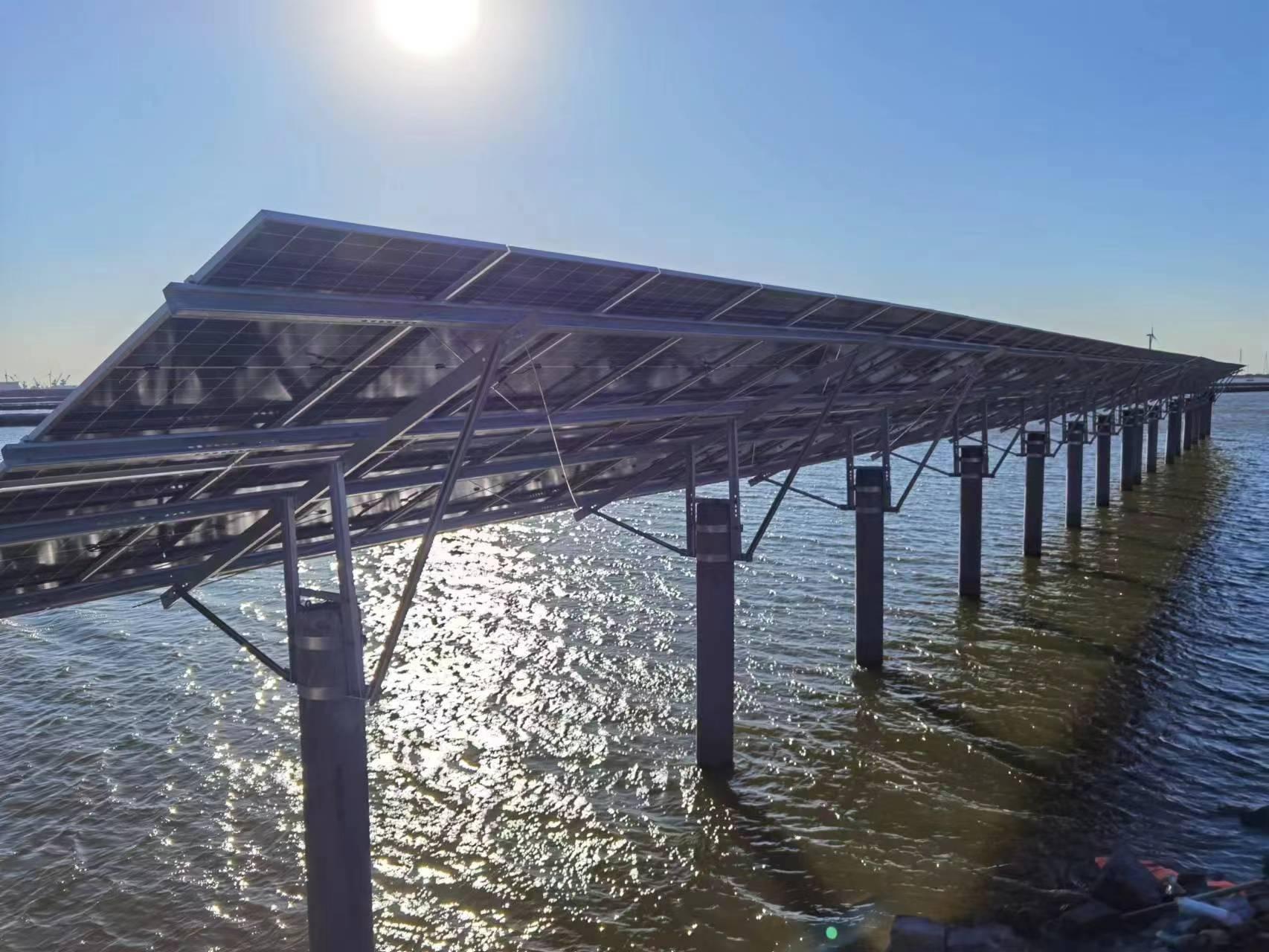
At the heart of every enduring and high-performing product lies a carefully curated set of design principles. For enhanced durability, we focus on robust materials and construction techniques that withstand rigorous use and environmental stressors, such as corrosion-resistant alloys and reinforced joints, ensuring longevity even in demanding conditions.
Efficiency is seamlessly integrated through intelligent engineering, optimizing energy consumption and reducing waste without compromising functionality. Features like streamlined components and adaptive systems work in harmony to deliver peak performance, making operations smoother and more cost-effective over time.
By marrying durability with efficiency, this design approach not only extends product life but also enhances user experience through reliability and reduced maintenance needs, setting a benchmark in sustainable innovation.
Installation Techniques and Site Adaptability for Varied Environments
When installing equipment or structures across diverse environments, specific techniques must be tailored to each site's unique conditions. For instance, in coastal areas where salt spray accelerates corrosion, installation often involves using galvanized steel or corrosion-resistant materials, along with elevated foundations to avoid flooding. Similarly, in arid regions with extreme temperature fluctuations, expansion joints and flexible materials help prevent structural damage. By adapting methods such as deep anchoring in loose soils or modular designs for quick assembly in remote locations, installations become more robust and long-lasting, reducing maintenance needs and improving performance.
Site adaptability goes beyond basic adjustments, requiring a thorough assessment of factors like soil stability, climate patterns, and local regulations. In mountainous terrains, installations may need reinforced bases to withstand landslides or erosion, along with lightweight components for easier transport. Conversely, in urban settings, considerations include noise reduction during assembly and minimal disruption to existing infrastructure. This adaptability ensures that installations not only fit their surroundings but also enhance safety and efficiency, making them viable in everything from dense cities to isolated wilderness areas.
Implementing these varied techniques often involves collaboration with local experts and leveraging innovative tools like drone surveys or soil testing kits. For example, in permafrost regions, insulated foundations are used to prevent melting, while in tropical climates, ventilation systems combat humidity. By prioritizing adaptability, installations can withstand environmental stresses—such as high winds, seismic activity, or heavy snowfall—ultimately offering reliable functionality without constant repairs. This approach not only saves costs but also supports sustainable practices by minimizing ecological impact and resource use.
Material Selection and Corrosion Resistance in Harsh Conditions
When it comes to designing for harsh environments, choosing the right materials is often a make-or-break decision. It's not just about picking something that works; it's about understanding the specific challenges, from extreme temperatures and high pressures to exposure to corrosive chemicals or saltwater. Engineers need to consider factors like material strength, durability, and compatibility with other components, all while balancing cost and availability to ensure a practical and long-lasting solution.In practice, corrosion resistance is a key player in this selection process, as it directly impacts the lifespan and safety of equipment. Materials like stainless steel, titanium, and specialized alloys are popular choices due to their ability to form protective oxide layers that shield against degradation. However, it's crucial to match the material to the exact conditions—what works in a chemical plant might fail in a marine setting. Testing and real-world data, rather than just theoretical specs, can reveal subtle differences that prevent premature failures and costly downtime.
To stand out, focus on innovative approaches and case studies that show how tailored materials have solved unique problems. For instance, using composite materials or advanced coatings can enhance corrosion resistance without the weight or expense of traditional metals. Emphasizing sustainability and lifecycle analysis adds depth, as it appeals to modern priorities beyond mere functionality. By weaving in practical insights and avoiding generic advice, this content becomes a go-to resource for professionals seeking actionable guidance in material engineering.
Cost-Effectiveness and Performance Optimization Strategies
Achieving cost-effectiveness while optimizing performance isn't just a balance—it's a strategic imperative that can drive business success. Start by conducting thorough cost-benefit analyses to identify high-impact areas where performance gains translate directly into savings or revenue boosts. Leveraging scalable technologies like cloud computing can offer flexible resources, allowing you to pay only for what you use while maintaining peak efficiency. Regularly review operational processes to eliminate redundancies, as streamlined workflows often reduce expenses and enhance overall system responsiveness. By aligning performance goals with budget constraints, organizations can foster sustainable growth without compromising on quality.
To stand out from the crowd, consider adopting a proactive approach to performance optimization. Implement real-time monitoring tools to detect bottlenecks early, enabling swift adjustments before they escalate into costly issues. Embrace automation for repetitive tasks, freeing up human resources for more strategic initiatives that boost productivity. Integrating data-driven insights can reveal hidden inefficiencies, guiding targeted improvements that maximize output per dollar spent. This dynamic strategy not only cuts unnecessary costs but also elevates performance to a competitive edge, setting your operations apart in a crowded market.
In practice, successful strategies often hinge on a culture of continuous improvement. Encourage cross-departmental collaboration to share best practices and innovative solutions that address both cost and performance challenges. Experiment with agile methodologies to iterate quickly on optimizations, adapting to changing demands without overspending. Prioritize investments in training and upskilling teams, as knowledgeable staff can optimize systems more effectively, leading to long-term savings. By weaving these elements together, you build a resilient framework that consistently delivers high performance at a manageable cost, ensuring your efforts remain distinctive and impactful over time.
Future Trends and Innovations in Single-Pole Mounting Technology
Single-pole mounting technology is set to undergo significant transformations in the coming years, driven by the urgent need for more efficient and adaptable infrastructure solutions across sectors like telecommunications and renewable energy. Innovations are focusing on modular designs that allow for easy upgrades and maintenance, reducing downtime and costs. For instance, pole-mounted devices are increasingly integrating smart sensors and IoT connectivity, enabling real-time monitoring and automated adjustments to environmental conditions, such as wind or load changes. This shift not only enhances reliability but also supports scalability as networks expand into remote areas or urban centers with limited space.
Another emerging trend is the use of lightweight, durable materials like advanced composites and corrosion-resistant metals, which extend the lifespan of mounting systems while minimizing environmental impact. Engineers are exploring 3D printing techniques to produce custom pole components on-site, cutting logistics expenses and accelerating deployment in challenging terrains. These advancements are particularly relevant in solar and wind energy projects, where single-pole mounts need to withstand harsh weather without compromising efficiency. By optimizing material science and manufacturing processes, the industry is moving toward a more sustainable, cost-effective approach that balances performance with ecological considerations.
Looking ahead, the integration of artificial intelligence and machine learning into single-pole mounting systems promises to revolutionize predictive maintenance and energy management. AI algorithms can analyze data from sensors to forecast potential failures, schedule repairs proactively, and optimize energy distribution in smart grids. This not only prevents costly disruptions but also enhances overall system resilience. As regulatory standards evolve and demand for green technologies grows, single-pole mounting is poised to play a critical role in building smarter, more interconnected infrastructures, paving the way for innovations that seamlessly blend functionality with environmental stewardship.
FAQ
Chinese companies emphasize their ease of installation, cost-effectiveness, and robust structural stability, which minimize site disruption and enhance long-term reliability in various terrains.
They utilize high-grade materials like galvanized steel and advanced anti-corrosion coatings, coupled with rigorous testing against wind and snow loads to meet international standards.
It involves site assessment, foundation preparation, pole assembly, panel mounting with adjustable brackets, and final alignment checks, often completed with minimal tools and labor.
Innovations include modular components for quick assembly, tilt-angle adjustability for seasonal optimization, and compatibility with bifacial panels to boost energy yield.
They prioritize sustainable practices, such as using recycled materials, minimizing waste in production, and designing for end-of-life recyclability to reduce ecological impact.
Consider the supplier's track record, compliance with certifications like UL or IEC, customization options, and after-sales support to ensure a reliable and tailored solution.
Conclusion
This comprehensive guide by leading Chinese manufacturers provides an in-depth overview of single-pole solar mounting systems, detailing their rising popularity for residential and commercial applications. It begins with an introduction to the core designs offered by top companies, highlighting their engineering expertise and emphasis on quality. The discussion then shifts to key design features that ensure enhanced durability and efficiency, such as adjustable tilt angles and robust load-bearing capacities, which optimize solar energy capture and system longevity. By focusing on innovation and customizability, these systems address diverse installation needs while maintaining high performance standards.
Further sections explore installation techniques and site adaptability for varied environments, covering everything from urban rooftops to rural landscapes, with a strong emphasis on material selection and corrosion resistance for harsh conditions like coastal or industrial areas. The guide also analyzes cost-effectiveness and performance optimization strategies, offering insights into balancing initial investments with long-term savings through efficient designs and maintenance tips. Looking ahead, it anticipates future trends and innovations in single-pole mounting technology, such as smart tracking systems and eco-friendly materials, positioning Chinese manufacturers at the forefront of sustainable energy solutions. Overall, the guide serves as a valuable resource for professionals seeking reliable and advanced mounting solutions tailored to modern solar projects.
Contact Us
Contact Person: Simon
Email: [email protected]
Tel/WhatsApp: 8613672181100
Website: https://energetsolar.com/