

Tomato Sauce Supplier Selection: Key Factors for Consistent Quality and Taste
2026-10-22
Most tomato sauce suppliers can pass a one-time taste test. The real question is whether that same bright, balanced flavor arrives in your kitchen on delivery number fifty, during a heatwave, with tomatoes from a different harvest. That’s where consistent quality quietly falls apart—and why HONGBURG FLAVORMAKER builds its reputation on controlling variables most buyers never think to ask about. Before you compare quotes, let’s look at the factors that actually decide whether your tomato sauce stays a signature or becomes a gamble.
Why Your Tomato Sauce Is Only as Consistent as the Fields Behind It
The flavor of any jar of tomato sauce is decided long before the tomatoes leave the vine. Every patch of soil, every rainfall, every hour of sunlight leaves its mark on the final product. The consistency you taste is not an illusion manufactured on a factory line—it is the result of countless variables in the field canceling each other out, most of the time.
But a field is not an assembly line. The same tomato variety grown on two plots just fifty kilometers apart can differ wildly in sugar content, acidity, and pectin levels. Then there is the weather: a rainy summer plumps up the fruit with water and dilutes the flavor, while an unusually hot season can push ripening early and leave the acid underdeveloped. For large sauce brands, this means investing heavily in storage and processing to "correct" these differences—but correction always has its limits.
Brands that promise "always the same" often achieve it through almost obsessive control over sourcing. Some sign long-term contracts with farms in a single valley; others blend tomatoes from multiple regions to smooth out fluctuations. Yet no matter how advanced the technology, you cannot make one field perfectly replicate the microclimate of another. So the next time a jar tastes off, spare a thought for the tomato field behind it—it may have survived hail, drought, or a late-season pest infestation.
The Flavor Gap: What Suppliers Don't Tell You About Tomato Varieties
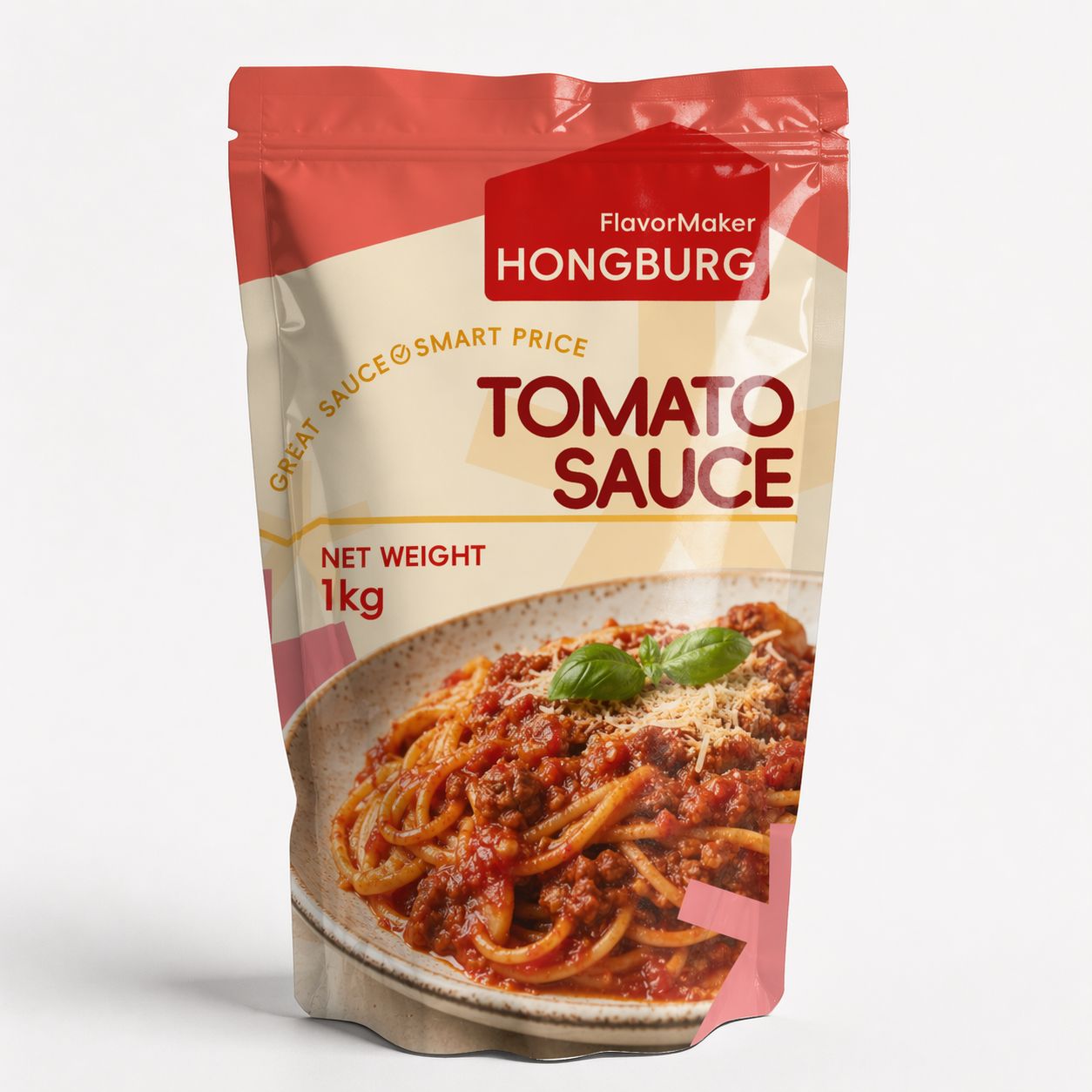
The tomato aisle looks abundant, but most commercial varieties are selected for uniform ripening and thick skins that survive shipping, not taste. That's why supermarket tomatoes often taste like wet cardboard. The flavor compounds that make heirlooms memorable get bred out in favor of yield and shelf life.
Suppliers rarely mention that a tomato's flavor gap comes down to genetics and harvest timing. Commercial growers pick fruit green and gas it with ethylene to turn red, which adds color but not sugars or acids. Meanwhile, varieties like Cherokee Purple or Sungold carry genes for higher volatile compounds that our brains read as "tomatoey."
Some wholesalers now offer "high-flavor" lines, but the label is inconsistent. The real difference is dry-farmed or vine-ripened fruit from smaller growers. If you want to close the flavor gap, ask about the specific variety and harvest date, not just the word "vine-ripened."
From Harvest Window to Jar: Timing Tricks That Keep Taste Steady
The real battle for steady flavor starts before you touch a knife. Pick fruit just after dawn, when overnight respiration has slowed and sugars aren't yet diluted by midday heat. That narrow window—often less than four hours—locks in the bright acidity you'll want later. If you must harvest later, cool the produce in shallow bins rather than deep piles; a crowded bucket ferments itself before you've even reached the kitchen.
Once cut, every minute matters. Enzymes that dull color and mute aromatics wake up the second flesh meets air. Work in small batches, and keep a bowl of acidulated water nearby for anything that browns. For tomatoes or stone fruit, dropping them into simmering water for thirty seconds before peeling saves the delicate esters that would otherwise evaporate during a slow scald.
The last trick is treating the jar as a continuation of the field. Bring brines or syrups to a rolling boil before they touch the fruit, then process jars without letting them sit half-filled on the counter. A five-minute pause between filling and sealing can cost more flavor than a week on the shelf. Match your batch size to your pace, not the other way around.
Reading Between the Spec Sheets: What 'Quality' Really Means for Sauce
A spec sheet will tell you the pH is 3.8, the viscosity measures 12,000 centipoise, and the brix sits at 22. It will list stabilizers, preservatives, and maybe even a particle size distribution for the spice blend. What it won't tell you is how the sauce behaves when it hits a hot pan, whether the garlic was roasted over oak or dehydrated in a commercial dryer, or if the acid bite comes from fresh lime juice or a powdered citric blend. Those are the details that separate a sauce you remember from one you simply use up.
Consider two tomato-based sauces with nearly identical lab results. One is made from tomatoes harvested at peak ripeness, milled within hours, and finished with cold-pressed olive oil added just before bottling. The other relies on rehydrated tomato paste, a flavor pack engineered to mimic freshness, and a high-shear mixing process that keeps everything stable for three years on a shelf. Both can hit the same brix, pH, and viscosity targets. But the first sauce will have a layered brightness and a mouthfeel that lingers, while the second delivers uniformity at the cost of character. Quality, in this sense, is less about matching numbers and more about the choices made before the numbers even exist.
The real test happens when you pour a little into a spoon and let it sit for a minute. Does the surface separate into an oily sheen and a watery base? Does the aroma hit you immediately, or only after you swirl it? Spec sheets are useful for consistency, but they flatten the sensory landscape into a handful of measurable parameters. A great sauce has a narrative—the heat of the chilies, the sweetness of slow-cooked onions, the funk from a short fermentation—that no column of data can fully capture. That's why the best chefs read between the lines, and then ignore the lines altogether.
When the Sample Tastes Perfect but the Shipment Doesn't: A Sourcing Lesson
You've been there: the golden sample that sold the deal was sublime. The supplier hand-delivered a batch that could make a chef weep. Then the container arrives, and the first spoonful tells you something went sideways. The color is off, the texture is wrong, and the flavor has all the soul of wet cardboard. This gap between the tasting table and the shipping dock is where sourcing dreams quietly die.
The root cause is rarely a mystery. Pilot runs use premium ingredients, rested equipment, and the owner's own hands. Mass production swaps in cheaper substitutes, runs machines hot, and hands the line to a night shift that never saw the original spec. Meanwhile, your purchase order has all the enforcement power of a sticky note. Unless you specify a reference sample as a binding benchmark—and write penalties for deviation—the vendor will always drift toward their own margin.
The fix isn't more trust; it's more trips to the factory floor at 2 a.m., more random pull tests from the middle of the run, and a written quality clause that names the exact sample batch you approved. If they won't sign that, you've just learned something more valuable than any tasting: they were never planning to ship what they poured for you.
Building a Supplier Relationship That Won't Waver When Tomato Season Does
Start by treating your tomato supplier like a field partner, not a transactional vendor. Share your expected volume needs eight to ten weeks before planting, and ask for their own acreage projections, water access, and variety mix. When both sides see the same early-season picture, you can agree on a flexible band—say, plus or minus fifteen percent—instead of locking into a number that falls apart the moment a heat wave hits.
The real test arrives when yields drop. Instead of immediately sourcing cheaper fruit elsewhere, hold a quick call with your current supplier and renegotiate the remaining weeks together. Offer to take smaller but consistent loads, or accept a shift to a heartier variety if that keeps the line running. Pay on time, even for short shipments. A supplier who knows you won't disappear during a rough patch will prioritize your orders when the next season rebounds.
FAQ
Dig into their tomato paste sourcing and Brix levels. Many suppliers blend paste from different regions to hit a target, but that can shift flavor subtly. Ask for single-origin paste or documented blending ratios, and check whether they hold a minimum Brix specification for every delivery.
Ask for shelf-life and accelerated aging data, not just a sample. A supplier that tests sauce at 30, 60, and 90 days under heat stress knows whether acidity, sweetness, and umami stay balanced. If they hesitate to share that data, consistency is probably a guess.
Roma, San Marzano, and cherry tomatoes behave differently in sauce—acidity, sugar content, and texture all change. A supplier who can't name the varieties or shifts seasonally without telling you will deliver a sauce that drifts. Lock variety expectations into your spec sheet.
Headspace and oxygen levels inside jars or cans matter. Too much residual oxygen accelerates flavor loss and browning. Ask about nitrogen flushing, vacuum sealing, or oxygen absorbers. Also, lining type in cans can react with acidity over time and add metallic notes.
Request their out-of-spec log from the last six months, not just their pass rate. A supplier who records and investigates every batch that fell outside pH, viscosity, or color targets is one that actually manages consistency. One that says 'we never have issues' is hiding something.
Send both a blind sample of your current best sauce and ask them to reverse-engineer the profile—acidity, salt, sweetness, viscosity, and particle size. The one that asks the most precise questions about your current product and returns a closer match has stronger process control.
BRCGS or SQF certification helps, but look for a HACCP plan that specifically covers thermal processing and cooling curves. The real proof is whether they have a documented kill step and cooling rate that prevents overcooking, which dulls fresh tomato notes.
When the cost per kg is below the price of raw tomato paste plus a reasonable processing margin. That usually means they're watering down solids, using over-diluted paste, or adding too much starch and sugar to compensate. Cheap sauce almost always costs you in returned batches and brand damage.
Conclusion
Consistency begins long before a jar reaches the line—your sauce is only as steady as the fields behind it. A supplier who doesn't track soil, irrigation, and ripening conditions across multiple farms will deliver variable brix and acidity without realizing it. The real flavor gap comes from undisclosed variety blends: cheap Roma or round tomatoes can bulk up volume but flatten the bright, savory notes your recipe depends on. Harvest timing matters too—tomatoes picked too early lack depth, while overripe lots ferment fast and swing pH. Smart suppliers narrow the harvest window to days, not weeks, and move fruit to processing before sugars degrade.
What spec sheets call "quality" often hides the details that matter: paste consistency, lycopene color, low mold count, and absence of added citric acid to mask poor tomatoes. A tasting sample from one batch proves little about the container load that arrives months later. Demand batch-level retention samples and visit during peak season, not just in the sales office. Finally, build a relationship where your supplier shares weather, yield, and variety shortfalls early. When tomato season wobbles—and it always will—you need a partner who adjusts blend ratios and communicates rather than one who ships surprises.
Contact Us
Contact Person: Peter Song
Email: [email protected]
Tel/WhatsApp: +86 18920189778
Website: https://www.hongburg.com