

Top 10 Flame Resistant Fabrics for Ultimate Safety and Durability
2026-06-29
When it comes to protecting lives and property, choosing the right flame-resistant fabric isn't just a precaution—it's a necessity. From industrial workplaces to firefighting gear, the demand for materials that offer both safety and long-term durability has never been higher. In this guide, we break down the top 10 flame-resistant fabrics that stand out for their performance, comfort, and resilience. Whether you're selecting gear for a high-risk environment or developing protective apparel, you'll discover options that push the boundaries of protection. One name that consistently leads the pack is DROTEX, known for delivering innovative FR solutions without compromise. Let's explore the fabrics that are setting the standard in ultimate safety and durability.
Why Nomex Remains Unmatched for High-Heat Environments
Nomex has an inherent ability to withstand extreme temperatures that would cause most synthetic fibers to melt or ignite. Its molecular structure is designed with strong thermal and chemical stability, allowing it to remain intact and protective even when exposed to flash fires or prolonged radiant heat. This isn’t a surface treatment—the flame resistance is built directly into the polymer, so it never washes out or degrades with wear.
Another critical factor is that Nomex does not drip or flow when heated. In high-risk environments, molten material can cause severe burns far beyond the initial heat source. Instead of turning into a sticky hazard, Nomex carbonizes and thickens, forming a tough, insulating barrier between the wearer and the heat. This predictable behavior under thermal stress is something few other materials can replicate consistently.
Beyond its fire-resistant properties, Nomex offers excellent durability without sacrificing comfort. It remains lightweight and breathable, which is essential for workers who need to move quickly and stay focused in demanding conditions. Even after repeated exposure to high heat, industrial laundering, and abrasive contact, the fabric maintains its protective qualities, making it a long-term solution rather than a short-term fix.
Kevlar: The Lightweight Champion of Cut and Thermal Protection
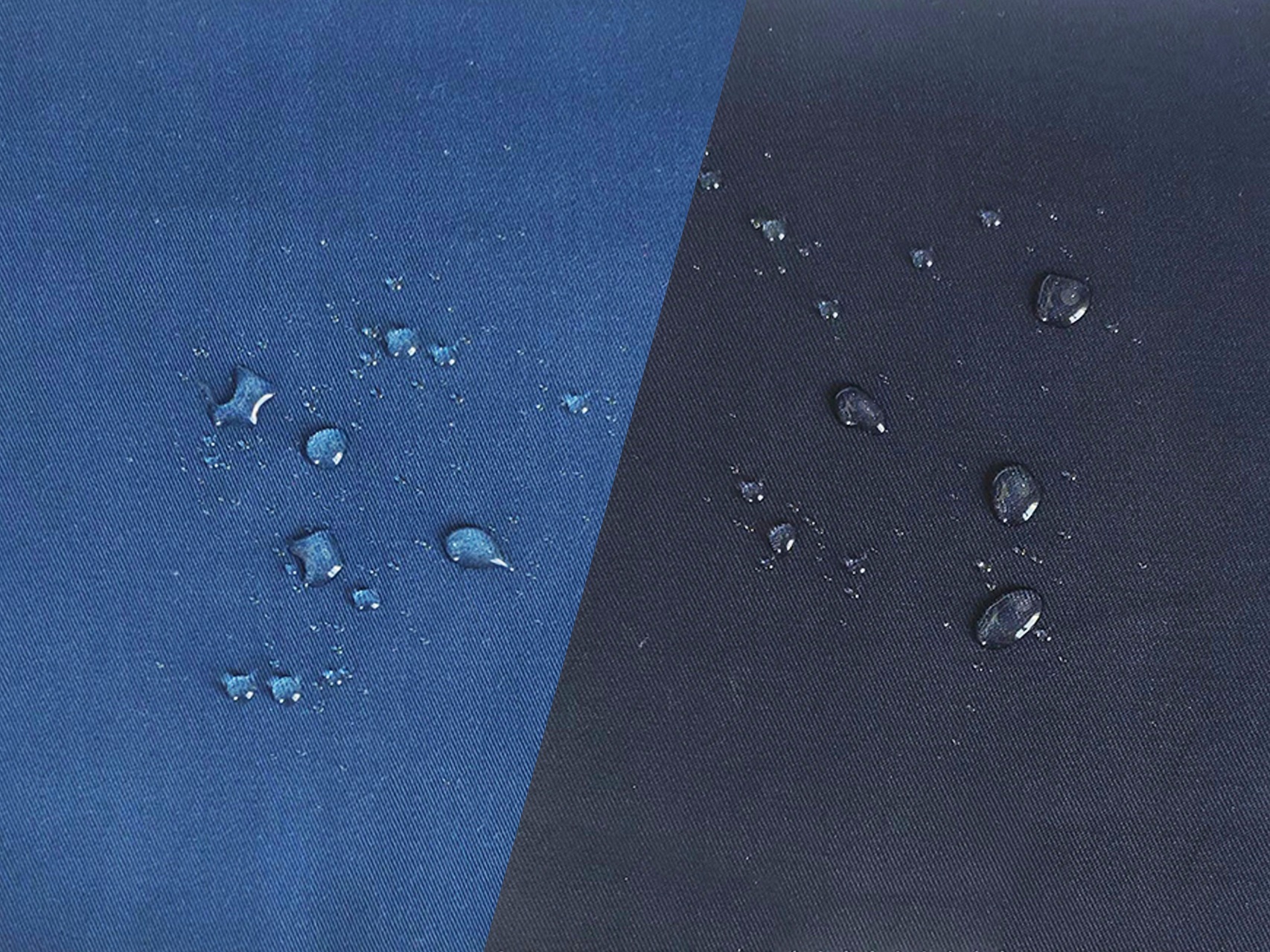
Kevlar brings together two qualities that rarely coexist: exceptional cut resistance and remarkable thermal stability, all while staying remarkably light. In work environments where every ounce matters—like high-elevation construction or fast-paced assembly lines—this material cuts down fatigue without cutting corners on safety. It’s not just about blocking a blade or shielding from heat; it’s about doing both without turning gear into a burden.
What sets Kevlar apart is how it handles extreme conditions without breaking a sweat. In foundries or welding bays, temperatures that melt standard synthetics barely faze it, thanks to a molecular structure that resists degradation up to 800°F. Combine that with a cut resistance that doesn’t rely on bulky, brittle fibers, and you get gloves and sleeves that feel almost like a second skin—flexible enough for fine motor tasks, tough enough to laugh off sharp edges and sparks.
The secret lies in the way Kevlar distributes stress and heat across its tightly woven strands. Unlike heavy-duty alternatives that sacrifice dexterity, Kevlar’s low density allows it to dissipate thermal energy while keeping the weave thin and pliable. That means a worker can handle a hot casting, navigate razor-sharp sheet metal, and still have the tactile sensitivity to operate tools precisely—all without switching protective gear. It’s a quiet, lightweight champion that redefines what protective apparel can achieve.
Modacrylic Blends: Comfort Meets Flame Resistance
When you think of protective clothing, bulky and rigid fabrics might come to mind—but modacrylic blends flip that assumption entirely. These materials bring together the softness you expect from everyday wear with the flame-resistant properties needed for industrial safety. The fibers are inherently non-flammable, meaning their protection won’t wash out or degrade over time, unlike treated counterparts. Worn by welders, electricians, and oil refinery workers, the blend maintains a natural drape and breathability that keeps comfort front and center during long shifts.
What sets modacrylic blends apart is how they balance heat stress management with reliable fire shielding. By combining modacrylic with cotton or other high-performance fibers, the fabric wicks moisture, dries quickly, and resists the clammy feel often found in synthetic protective gear. This intelligent engineering means you stay cooler in summer and warmer in winter, without sacrificing an ounce of flame resistance. It’s the kind of thoughtful textile design that makes safety gear something you actually want to put on.
Durability plays a quiet but critical role in the blend’s appeal. The fabric stands up to industrial laundering without losing shape or softness, and its colorfastness remains steady even after repeated exposure to harsh conditions. Workers notice the difference in garments that don’t chafe, restrict movement, or develop that permanent sweat smell—a testament to modacrylic’s low absorbency. In environments where every sensation matters, this blend delivers a rare combination: genuine all-day comfort backed by life-saving protection.
How Treated Cotton Defies Fire Without Sacrificing Softness
It seems almost paradoxical—a fabric that resists flames yet still feels plush against the skin. But treated cotton achieves exactly this through a clever chemical process that doesn’t stiffen its natural fibers. Instead of coating the threads with a heavy, crust-like finish, the treatment works from within, bonding to the cellulose molecules themselves. This internal modification leaves the surface texture unchanged, so the cotton retains its breathable, cloud-like softness even after repeated washing and drying cycles.
The science behind it is remarkably subtle: when exposed to heat, the treated cotton triggers a reaction that releases water vapor and forms a protective char layer, effectively starving the flames of fuel. Unlike traditional flame retardants that merely sit on top and wash away over time, this molecular-level integration ensures enduring protection without the telltale stiffness or chemical odor. You can drape it, crush it, or scrunch it up in a drawer, and it springs back with the same familiar, gentle hand feel that makes cotton a household favorite.
What truly sets it apart is the way it blends into daily life. Makers of children’s sleepwear, hospitality linens, and even stylish upholstery now adopt this innovation precisely because it doesn’t announce its presence. The fabric moves and drapes naturally, accepts dyes vividly, and never betrays its protective powers through a papery or rubbery texture. In a world that constantly forces trade-offs between safety and comfort, treated cotton proves you can have both—and that’s a quiet revolution worth snuggling into.
Aramid Fabrics: Engineering Safety into Every Thread
Aramid fabrics are built on a molecular level to defy extreme conditions, blending lightweight flexibility with incredible tensile strength. Unlike conventional textiles, each thread is engineered through a precise spinning and drawing process that aligns polymer chains into rigid, rod-like structures. This unique alignment is what gives the fabric its renowned cut and heat resistance, making it a go-to material where standard solutions simply fail.
The safety woven into these fabrics is not just about raw toughness; it's about intelligent design. From firefighting gear to ballistic vests, aramid textiles are tailored to absorb and dissipate energy, whether from flames, shrapnel, or high-speed impacts. The tight weave and inherent thermal stability ensure that protection is maintained without sacrificing mobility, a balance that has quietly revolutionized personal protective equipment across industries.
What truly sets aramid apart is its consistent performance under stress. It refuses to melt, drip, or ignite, even when exposed to temperatures that would turn other synthetics into hazards. Industrial workers, motorsports drivers, and military personnel rely on this steadfast behavior, knowing that the fabric will hold its integrity second by second. Behind every thread lies a commitment to human safety, engineered not as an afterthought but as the core principle.
Carbon Fiber: When Extreme Heat Demands Extreme Performance
Carbon fiber doesn’t just survive in extreme heat—it thrives. While most materials soften, warp, or fail entirely when temperatures climb past the point of no return, carbon fiber holds its ground. Its strength-to-weight ratio remains remarkable even when the mercury soars, thanks to the crystalline structure of the fibers themselves. That inherent thermal stability makes it a go-to choice for components that must perform reliably when ordinary materials would buckle. It’s not just about resistance; it’s about delivering peak performance under pressure that would compromise nearly everything else.
Think of the searing environment inside a jet engine, where temperatures can exceed a thousand degrees Celsius. Here, carbon fiber composites aren't merely lightweight alternatives—they’re essential for fuel efficiency and mechanical integrity. Unlike metals that expand and contract with thermal cycles, carbon fiber’s low coefficient of thermal expansion means parts maintain precise dimensions. No warping, no creep, no unpredictable behavior. That dimensional stability is critical when every micron matters, and it’s a prime reason carbon fiber appears in spacecraft, braking systems, and industrial furnaces.
But raw carbon fiber alone isn’t enough. It’s the matrix—often specially formulated carbon or ceramic—that transforms it into a true high-temperature champion. These composites resist oxidation and ablation, shedding heat layer by layer while the core stays stubbornly cool. That sacrificial protective quality, paired with unmatched stiffness, lets engineers design structures that are both lighter and more resilient than their metallic forebears. In a world where heat is the ultimate test, carbon fiber doesn’t just pass—it sets a new bar.
FAQ
Comfort and durability play huge roles. Fabrics like modacrylic blends or treated cotton can wick moisture and stay flexible, so workers aren't constantly adjusting heavy, stiff gear. If it chafes or restricts movement, people won't wear it properly, undermining safety.
The key is how the protection works. Flame-resistant fabrics are engineered to self-extinguish once the ignition source is removed—the chemistry is built into the fiber or applied as a permanent treatment. Fire retardants, on the other hand, are often chemical coatings that slow ignition but may not stop the burn once it starts, and they can wash out over time.
Absolutely. Many flame-resistant fabrics suffer invisible damage. Synthetics can harden or lose their char integrity, while treated natural fibers might degrade chemically. Always follow manufacturer re-inspection guidelines after an incident; a garment that seems okay could fail catastrophically next time.
Yes, nature offers some gems. Wool, for example, is inherently flame resistant due to its nitrogen-rich protein structure and high moisture content. It doesn't melt or drip, and it self-extinguishes. Some tightly woven organic silks also perform well, though they're rarely used in heavy industry due to cost and durability limits.
Arc ratings (like ATPV) measure how well a fabric protects against thermal energy from an electric arc. A fabric might be flame resistant but offer poor arc protection if it's too thin. Electricians look for materials that combine arc resistance with FR properties, often layered systems of cotton-nylon blends or aramid fibers.
It comes down to the treatment method. Inherently flame-resistant fibers like aramids and modacrylics keep their properties for life because protection is part of the polymer. Treated fabrics, like FR cotton, rely on a chemical finish that can deteriorate through laundering, bleach, or hard water; proper care and specialized detergents are essential to extend their lifespan.
Weight influences thermal insulation—heavier fabrics generally block more heat. But weight alone isn't a guarantee; a thick polyester suit will melt onto skin, while a lighter aramid-nylon blend can provide superior defense. It's about the material science behind the weave, not just ounces per square yard.
Conclusion
When lives depend on protective gear, the fabric’s ability to withstand flames while maintaining comfort becomes non-negotiable. Nomex has long set the benchmark for high-heat environments, thanks to its inherent thermal stability that doesn’t wash out or degrade over time. Yet it’s not alone: Kevlar brings a lightweight yet incredibly tough option, resisting both cuts and extreme temperatures without weighing the wearer down. For those who prioritize everyday ease, modacrylic blends step in, combining flame resistance with a soft, breathable feel that suits extended wear. Even traditional cotton has been reinvented—treated versions now defy fire while preserving that familiar gentleness against the skin, proving that safety needn’t come at the expense of comfort.
Beyond these staples, advanced engineering pushes boundaries further. Aramid fabrics weave molecular-level protection into every thread, crafting materials that are inherently flame-resistant and structurally reliable under stress. When temperatures soar to extreme levels, carbon fiber offers a niche yet critical performance, holding its own where lesser materials would simply fail. Together, these textiles form a comprehensive shield—from routine industrial tasks to the most hazardous scenarios—blending durability with specialized defense. The top-tier flame-resistant fabrics aren’t just about surviving a blaze; they’re about enabling performance without compromise, ensuring that workers return home safe, every single day.
Contact Us
Contact Person: Sandy
Email: [email protected]
Tel/WhatsApp: 86150 8310 5120
Website: https://www.frdrotex.com