

Top 10 Outdoor Paving Tiles: Durable and Stylish Ideas for Your Garden
2026-03-21
Welcome to our exploration of outdoor paving tiles! As you envision your perfect garden, the right paving materials can transform a simple space into a stunning, durable oasis. In this blog, we'll unveil the top 10 outdoor paving tiles that blend style with resilience, offering you fresh ideas to elevate your landscape. Whether you're designing a cozy patio or a grand pathway, these picks promise to spark creativity. For those seeking premium quality and unique designs, don't miss the exceptional options from Beata Ceramics. Dive in to discover how these tiles can make your garden not just beautiful, but truly unforgettable.
Discover the Best Materials for Long-Lasting Garden Paths
Long-lasting garden paths start with choosing the right materials, not just for durability but also for aesthetic appeal that can withstand the elements. Gravel, for instance, provides excellent drainage and a rustic charm, but may require occasional replenishment. Concrete pavers offer a more structured look with minimal maintenance, resisting cracking in freeze-thaw cycles if properly installed. Each option has its nuances; for example, flagstone adds a natural elegance and can last decades with proper sealing, while recycled materials like brick or wood chips contribute to sustainability while creating unique textures. It's crucial to consider local climate and soil conditions—materials that thrive in dry areas might deteriorate quickly in humid environments.
Beyond traditional choices, newer innovations like permeable pavers are gaining popularity as they allow water to seep through, reducing runoff and erosion. These materials often combine longevity with environmental benefits, but may come at a higher initial cost. For those seeking a blend of durability and creativity, composite decking or resin-bound aggregates can mimic natural stone while offering enhanced resistance to weathering and fading. Remember, the key to a path that stands the test of time lies in proper installation; even the toughest materials can fail if laid on an unstable base or without adequate edging to prevent shifting.
Personal preferences and garden style play a significant role too—a meandering path through a cottage garden might suit irregular slate pieces, while a modern courtyard could benefit from sleek porcelain tiles. Consulting with local experts or testing samples in your garden can help avoid common pitfalls, ensuring your path remains functional and beautiful for years. Ultimately, investing in quality materials upfront pays off by reducing long-term repairs and keeping your outdoor space inviting through all seasons.
Innovative Design Trends in Outdoor Tile Patterns
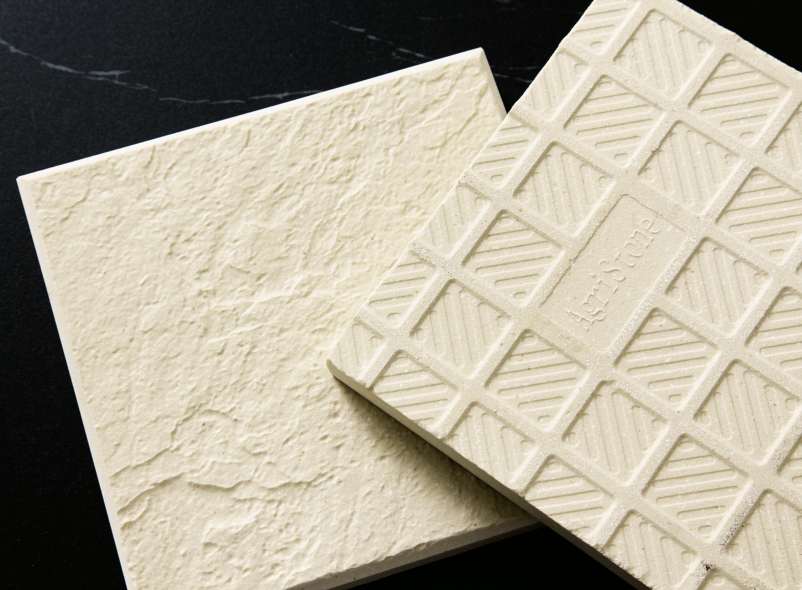
Outdoor tile patterns are evolving far beyond traditional rectangular slabs, embracing bold geometries and intricate motifs that transform patios, walkways, and pool decks into artistic canvases. Designers are increasingly using large-format tiles with subtle textures to create seamless, expansive surfaces that mimic natural stone or wood, while incorporating laser-cut ceramic or porcelain tiles to craft unique mosaics or custom shapes. This trend emphasizes durability and low maintenance, with options like slip-resistant finishes and frost-proof materials, ensuring these stylish patterns withstand diverse climates without sacrificing aesthetic appeal.
Another emerging trend is the integration of biophilic design principles, where tiles feature organic patterns, such as leaf imprints, flowing water ripples, or earthy color palettes inspired by landscapes. This approach fosters a connection to nature, often enhanced by mixing tiles of varying sizes or finishes to add depth and visual interest. For instance, combining matte and glossy tiles in the same installation can create dynamic light reflections, while permeable pavers allow for sustainable drainage, blending functionality with eco-conscious style that elevates outdoor spaces into serene retreats.
In addition, personalization is driving innovation, with homeowners and designers opting for custom tile layouts that reflect individual tastes—think herringbone or chevron patterns in unexpected colors like terracotta or charcoal gray. Advanced printing technologies enable high-definition photographic tiles, allowing for realistic reproductions of materials like aged brick or weathered metal. These trends not only boost curb appeal but also encourage creative expression, making outdoor areas versatile extensions of interior design that invite interaction and enjoyment year-round.
How to Choose Tiles That Combat Weather and Wear
Choosing the right tiles isn't just about aesthetics—it's about durability. For outdoor or high-traffic areas, start by looking at the tile's material. Porcelain tiles, for example, are denser and less porous than ceramic, making them highly resistant to water absorption and frost. This means they won't crack in freezing temperatures, which is crucial for patios or driveways in colder climates. Additionally, consider the tile's PEI rating for wear resistance; a higher rating (like PEI 4 or 5) is ideal for spaces that see heavy use, ensuring they can handle everything from foot traffic to furniture without showing signs of wear.
Texture plays a significant role in combating slip hazards, especially in wet weather. Opt for tiles with a textured or matte finish, as they provide better traction than glossy surfaces, reducing the risk of slips and falls. For instance, unglazed porcelain tiles often have a natural grip, making them a smart choice for pool decks or entryways that get wet. Also, look into tiles with anti-slip coatings or certifications, which can add an extra layer of safety without compromising on style. Remember, a slightly rougher surface might require more cleaning, but it's a small trade-off for enhanced safety and durability.
Don't overlook the color and pattern when selecting tiles for weather resistance. Lighter colors may show dirt more easily, but they can help reflect heat in sunny areas, reducing thermal expansion that leads to cracks. On the other hand, darker tiles might absorb more heat but could mask stains better in high-wear zones. Incorporate patterns or varied sizes to add visual interest while distributing wear more evenly. By combining these factors—material, texture, and design—you can create a resilient surface that stands up to both harsh weather and daily wear, keeping your spaces functional and beautiful for years to come.
Enhancing Curb Appeal with Unique Paving Solutions
When people think about improving their home's exterior, landscaping often takes center stage, but the ground beneath their feet holds equal potential for transformation. Unique paving solutions, such as intricately patterned concrete, reclaimed brick borders, or permeable pavers that peek through moss-filled crevices, can instantly elevate a property's visual interest. These materials don't just serve a practical purpose; they create pathways that guide the eye and tell a story of thoughtful design. Imagine a driveway lined with fossil-embossed stones that add a touch of prehistoric charm, or a patio composed of irregular flagstones that mimic a rustic European courtyard. By breaking away from standard gray slabs, homeowners can infuse personality into every step, making the approach to their door feel like an intentional journey rather than a mundane walkway.
Beyond aesthetics, opting for unconventional paving can also address functional concerns in creative ways. For instance, using locally sourced or recycled materials not only reduces environmental impact but also gives the space a sense of place and authenticity. In areas prone to heavy rainfall, permeable pavers allow water to seep through, preventing puddles and reducing runoff while fostering a healthier microclimate for surrounding plants. The interplay between different textures—like smooth river rocks interspersed with rough-hewn granite—can create a tactile experience that invites exploration. It's this blend of beauty and utility that sets unique paving apart, turning a simple surface into a focal point that encourages admiration and conversation among visitors.
To truly make a statement, consider integrating lighting or natural elements directly into the paving design. LED strips embedded along the edges of a walkway can cast a warm glow after sunset, enhancing safety while adding a magical ambiance. Alternatively, planting low-growing herbs or succulents between pavers introduces a living, breathing quality that evolves with the seasons. This dynamic approach transforms static surfaces into interactive landscapes, where every crack and crevice becomes an opportunity for creativity. In a world where cookie-cutter designs are common, investing in unique paving is a clear declaration of individuality, one that pays dividends in both curb appeal and daily enjoyment.
Practical Tips for Installing Tiles in Various Garden Layouts
When tackling tile installations across diverse garden setups, start by evaluating your specific layout—whether it's a winding pathway, a cozy patio corner, or an expansive entertaining area. Choose materials that can withstand local weather conditions; for instance, porcelain or natural stone tiles offer durability in rainy climates, while textured surfaces provide better slip resistance around pools or water features. Always prepare a stable, level base with proper drainage to prevent shifting or water pooling, which is especially crucial in sloped gardens or areas prone to heavy foot traffic.
For more intricate designs like geometric patterns or mixed-material borders in formal gardens, lay out tiles dry first to visualize the final look and make adjustments before applying adhesive. Use spacers consistently to ensure even grout lines, and consider incorporating flexible edge pieces or curves to seamlessly blend tiles with existing landscaping elements like flower beds or lawn edges. In informal or rustic layouts, embrace irregularities by mixing tile sizes or colors for a natural, organic feel that complements surrounding plants and outdoor decor.
Post-installation, focus on long-term maintenance by sealing grout and tiles appropriately to resist stains and weathering, particularly in high-moisture zones like near sprinklers or shaded spots. Regularly inspect for cracks or loose tiles, especially after extreme weather, to address issues promptly and preserve the aesthetic appeal of your garden space. Incorporating these tailored approaches ensures your tiled areas not only look stunning but also function reliably year-round, enhancing both usability and visual harmony in your outdoor environment.
Blending Function and Aesthetics in Modern Paving Selections
In modern paving selections, the blending function refers to how different materials integrate to create a cohesive design. It's not just about mixing stones or tiles; it's about ensuring they work together in terms of durability, texture, and visual flow. This balance allows for creative patterns that enhance both practicality and outdoor appeal, making spaces feel unified rather than disjointed.
Aesthetics play a crucial role here, transforming simple pathways into artistic statements. By carefully choosing colors, shapes, and finishes, homeowners and designers can evoke specific moods, from rustic charm to sleek minimalism. The interplay of light and shadow on varied surfaces adds depth, ensuring that each paving choice contributes to an overall ambiance that feels intentional and inviting.
What sets modern paving apart is its focus on seamless integration with the environment. Instead of just laying down slabs, there's an emphasis on how materials age over time, developing patinas that enhance character. This thoughtful approach ensures that blending and aesthetics aren't afterthoughts but core components of sustainable, beautiful designs that stand the test of time.
FAQ
For high durability, consider natural stone, porcelain, and concrete pavers. Natural stone like granite and basalt is incredibly tough and weather-resistant, while porcelain tiles are low-maintenance and resist fading. Concrete offers a cost-effective option that can mimic other materials with proper sealing.
Opt for textured or patterned tiles that provide slip resistance while enhancing aesthetics. For example, mixed-material designs combining stone and wood-look porcelain can create visual interest. Also, consider varying tile sizes and layouts—like herringbone or circular patterns—to make your garden stand out.
Yes, permeable pavers made from recycled materials allow water drainage, reducing runoff. Look for tiles with sustainable certifications or locally sourced stone to minimize environmental impact. Some manufacturers offer tiles with reflective surfaces to reduce heat absorption, helping cool your garden naturally.
Maintenance varies: natural stone may need occasional sealing, porcelain tiles require simple cleaning, and concrete might need resealing every few years. For low upkeep, choose tiles with built-in UV and stain resistance, and avoid porous materials in high-moisture areas to prevent mold or discoloration.
Use proper sub-base preparation with gravel and sand for stability, and ensure adequate drainage to prevent frost damage. Select tiles rated for freeze-thaw cycles, and consider expansion joints in the design. Hiring a professional for installation can help avoid common issues like cracking or shifting over time.
Absolutely—combining materials like slate with brick borders or using contrasting colors and textures can create a custom look. Try blending large-format tiles with smaller accents, or integrate mosaic patterns for focal points. Just ensure compatibility in thickness and durability to maintain a cohesive, functional surface.
Experiment with geometric patterns like chevrons or fan designs, or use irregular shapes for a rustic feel. Consider creating pathways that curve organically or combining tiles with gravel or grass inserts for a softer, natural look. This adds personality and can make small spaces appear larger.
Conclusion
This comprehensive guide explores top selections for outdoor paving tiles, blending durability with style to transform garden spaces. Focused on longevity, it highlights materials that withstand weather and wear while embracing innovative design trends, ensuring paths are both functional and visually appealing. From selecting tiles that combat environmental challenges to implementing unique paving solutions, the guide helps enhance curb appeal through modern aesthetics.
Practical installation tips for various garden layouts are integrated, emphasizing the seamless blend of function and design. By covering best materials, cutting-edge patterns, and resilient choices, this resource offers actionable ideas for creating durable, stylish outdoor areas, making it an invaluable tool for garden enthusiasts seeking to elevate their spaces with smart, lasting solutions.
Contact Us
Contact Person: Emma
Email: [email protected]
Tel/WhatsApp: 8618064423698
Website: https://www.beataceramics.com/