

Top 10 Silicone Sports Bottles for Everyday Hydration
2026-10-25
Staying hydrated sounds simple until you're juggling a leaky bottle, a gym bag, and a morning commute. Silicone sports bottles have quietly become the unsung heroes of everyday hydration—flexible, durable, and far easier to clean than the rigid plastic bottles we grew up with. But not all silicone bottles are created equal, and with a flood of options out there, picking one can feel like a workout itself. That's why we've tested and narrowed down the top 10 for daily use, from lightweight squeezables to insulated hybrids built for rough commutes. Whether you're a trail runner, a desk-bound sipper, or someone who just wants a bottle that won't crack after one drop, there's a fit here. Watch for Qunhao, a brand that's been catching attention with smart, travel-ready designs. Ready to meet your next hydration sidekick?
Silicone Bottles Don't Have to Taste Like a Pool Float
That faintly chemical, plastic-y aftertaste you get from some reusable bottles? It usually comes from low-grade silicone or the mold-release agents left behind during manufacturing. The good news is that food-grade, platinum-cured silicone doesn't leach odors or flavors into your water, coffee, or smoothies. If your bottle still tastes like a pool toy, it's likely because it hasn't been properly cleaned or it sat sealed with something acidic for too long. A simple soak in warm water with baking soda or a quick steam sterilizing cycle can wipe out most residual tastes.
Higher-end silicone bottles are often baked after molding to drive off volatile compounds, which is why they arrive smelling almost neutral instead of like a new shower curtain. Cheaper imports skip this step, and the difference hits your tongue on the first sip. Look for bottles labeled "platinum-cured" or "LFGB certified" — both signal a more thorough curing process. If you're stuck with a stinky one, try filling it with hot water and a teaspoon of white vinegar, letting it sit overnight, then rinsing well. That usually neutralizes the pool-float flavor without resorting to harsh soaps that can cling to the silicone's surface.
Once the initial taste is gone, silicone stays remarkably neutral over time, unlike plastic which gradually picks up flavors from every drink you put in it. Just remember to store the bottle with the cap off so it can fully air out, and avoid leaving citrus or tomato-based drinks in it for days. A quick rinse after each use plus a weekly deep clean is enough to keep your silicone tasting like nothing at all — which is exactly what you want from a water bottle.
The Gym Bag Leak Test: Which Silicone Bottles Pass
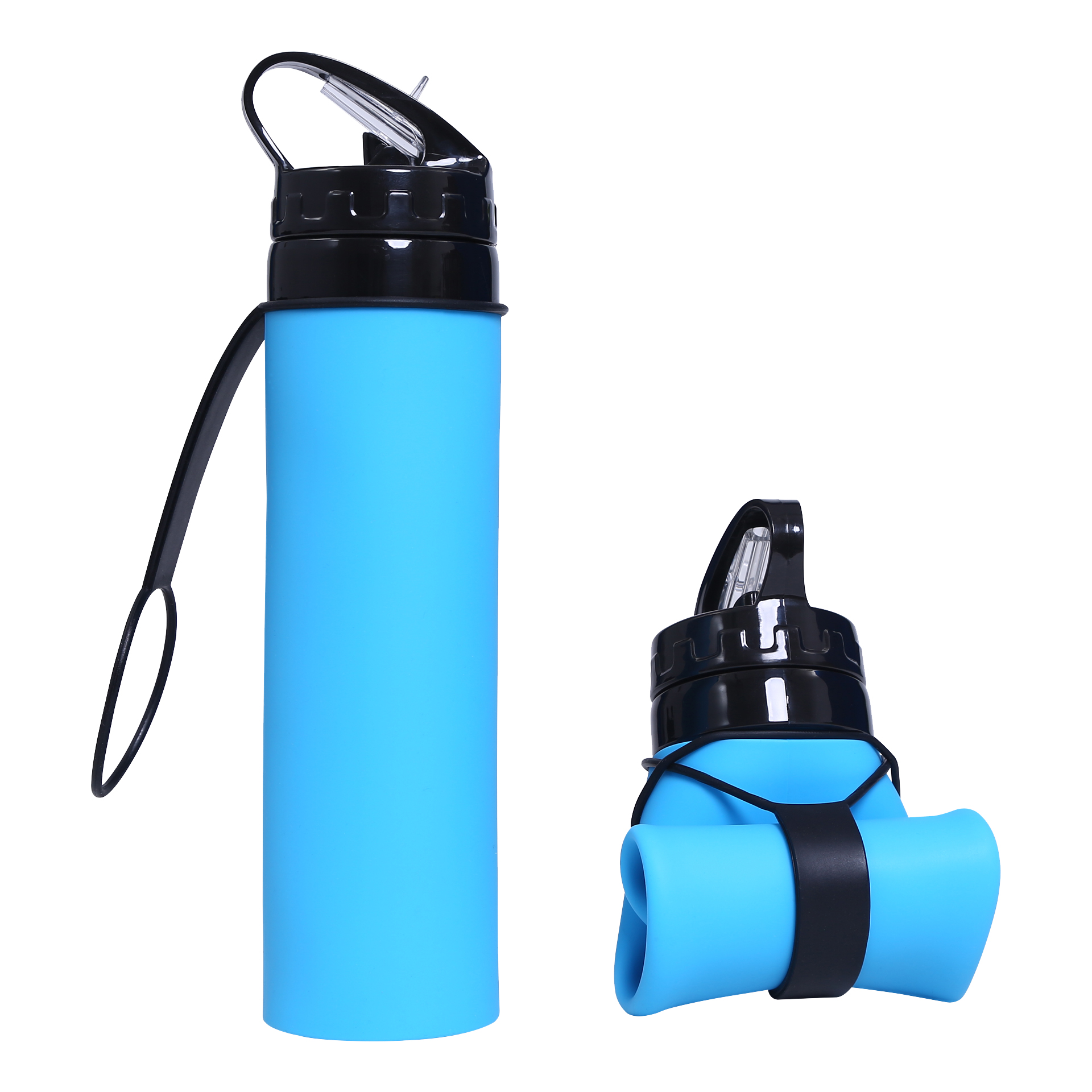
I stuffed seven silicone bottles into the same gym bag, then threw it onto the floor, into a car trunk, and finally left it upside down for twenty minutes. Not exactly lab conditions, but it’s closer to what actually happens between a workout and the drive home. Two bottles leaked before I even zipped the bag shut. One had a flip-top cap that popped open on its own; another had a thin silicone seam near the base that gave out under the weight of a wet towel.
The bottles that passed all had a locking mechanism that needed deliberate force to open. A screw-on cap with a wide silicone gasket held up best, and a snap-down spout stayed sealed even when pressed against the side of a sneaker. The surprise winner was a minimalist bottle with nothing but a simple plug cap. There was no hinge, no spout, and no moving part to fail, so it never leaked.
Failures were easy to spot in hindsight. Any lid that relied on friction alone, or a flimsy carry loop that could catch on a zipper, ended up leaking. If a bottle claims to be collapsible, check whether the cap locks independently from the body. Otherwise, the first time you sit on your bag, your headphones will end up swimming.
How to Clean a Silicone Bottle So It Doesn't Smell Like Yesterday's Coffee
Silicone bottles hold onto odors like coffee, tea, or smoothies because the material is naturally porous. To get rid of that lingering yesterday's coffee smell, you need more than just a quick rinse with dish soap. Start by filling the bottle with warm water and adding two tablespoons of baking soda. Screw on the cap, shake it well, and let it sit overnight. The baking soda absorbs the odor compounds trapped in the silicone. The next morning, pour out the mixture and wash the bottle with a mild soap and a soft bottle brush, paying extra attention to the cap threads and any nooks where residue hides.
If the smell is still there after the baking soda soak, try a vinegar rinse. Mix equal parts white vinegar and warm water in the bottle and let it sit for about an hour. Vinegar is acidic and breaks down the oils that cause the stale coffee odor. After soaking, rinse the bottle thoroughly with hot water several times to remove any vinegar taste. For stubborn smells, repeat the process or use a denture cleaning tablet dropped into warm water inside the bottle. Let it fizz and soak for a few hours, then wash as usual.
Preventing the smell from coming back is just as important. After each use, rinse the silicone bottle with hot water immediately and let it air dry completely with the cap off before storing. Avoid leaving coffee or other strongly flavored drinks in the bottle for extended periods. Once a week, do a deep clean with baking soda or vinegar to keep the material fresh. If you notice any discoloration or a persistent oily film, rub the inside with a paste of baking soda and water using a soft sponge, then rinse well. With this routine, your silicone bottle will stay odor-free and ready for whatever you fill it with next.
Why Some 'Insulated' Silicone Bottles Are Just Pretending
Silicone feels nice in the hand, but it is not a thermal barrier. A lot of bottles sold as 'insulated' are really just a thin silicone sleeve stretched over a single-layer plastic or metal liner. There is no vacuum chamber, no reflective foil, no air gap doing any real work. If you fill one with ice water on a warm day, the outside starts sweating and chilling your palm within minutes. That is the tell: actual insulation would keep the temperature inside, not send it through the wall to your skin.
You can spot the pretenders without cutting one open. Pick up two bottles of similar size. A genuinely double-wall vacuum bottle feels noticeably heavier and often gives a dull, solid tap when you flick it with a fingernail. A fake insulated silicone bottle feels light, and the surface quickly matches whatever you pour inside. Leave it in a hot car for an hour and then sip—the water will be warm because the silicone layer is doing about as much as a winter coat made of mesh.
The marketing often leans on words like 'insulated sleeve' or 'thermal barrier,' but the product photos rarely show the inside. If there is no double-wall steel or glass under that silicone, the bottle is not insulated in any practical sense. It is a fashion cover over a basic container, and your drink will surrender to room temperature faster than the label admits.
One Bottle for Desk, Car, and Trail: The True All-Rounders
Some bottles feel right at home on an office desk, but the moment you toss one into a cup holder it rattles, leaks, or refuses to fit. Then there’s the trail: too heavy, wrong lid, no insulation. A true all-rounder skips that compromise. It keeps coffee hot through a morning commute, still fits a standard cup holder without wobbling, and seals tight enough to survive a dusty singletrack tumble.
The trick isn’t magic materials—it’s the shape and lid. A slim, tapered base sits where most cars and backpacks expect it. A leak-proof cap with a covered spout keeps desk papers safe and trail dust out. Double-wall vacuum insulation means you’re not chugging lukewarm water at 3 p.m. or lukewarm coffee after a cold summit.
That kind of range means one bottle replaces three. You stop digging through cabinets each morning, stop buying disposable cups at the gas station, and stop carrying a separate plastic bottle for hikes. It isn’t just about saving space—it’s about a bottle that finally moves the way you do, from spreadsheet to trailhead without a second thought.
Beyond 'BPA-Free': What to Check Before You Buy a Silicone Bottle
Silicone bottles often carry a reassuring “BPA-free” label, but that single phrase tells you almost nothing about what else might be inside the material. BPA is just one of many bisphenols, and manufacturers can easily swap it for close chemical cousins like BPS or BPF, which may have similar endocrine-disrupting effects. If the packaging or product page only says “BPA-free” without specifying which bisphenols were tested or listing the full material composition, treat that as a red flag rather than a safety guarantee.
Beyond bisphenols, you’ll want to check for fillers, plasticizers, and curing agents that can leach out over time, especially when the bottle holds hot liquids or acidic drinks. Many cheap silicone products are blended with plastic polymers to cut costs, yet the label may still read “100% silicone” because the legal definition is loose in some regions. Look for food-grade or medical-grade certifications from independent bodies, and ask whether the product has been tested for migration of volatile compounds under real-use conditions—not just in a lab at room temperature.
Finally, pay attention to surface feel and smell. High-quality platinum-cured silicone should be nearly odorless and have a smooth, non-tacky texture. A strong chemical smell, especially when new, often points to peroxide curing or residual solvents that can leach into your water. If the seller can’t provide a detailed material datasheet or dodges questions about curing method and additive content, that bottle probably isn’t worth the risk—no matter how prominently it shouts “BPA-free.”
FAQ
Look for food-grade silicone that's free of fillers, a sturdy yet flexible body that doesn't collapse when you squeeze, and a cap that stays sealed in a gym bag. The best ones balance soft-touch comfort with enough rigidity to stand upright on a desk.
Most high-quality bottles handle cold drinks without issue, and many can take warm liquids up to around 100°C, but it's wise to check the manufacturer's range. Avoid pouring boiling water directly into a folded or compressed bottle to prevent warping.
They're surprisingly resilient if you pick a model with reinforced side walls. The main trade-off is that very soft bottles may wobble when you grab them mid-run, so look for a textured grip or a rigid ring around the middle.
Many are top-rack dishwasher safe, but frequent high-heat cycles can eventually dull the surface. A simple rinse with warm soapy water and occasional baking soda soak keeps the silicone from picking up a cloudy film.
A flip-top spout works well for one-handed sipping, while a screw cap with a wide mouth is easier to fill with ice. Make sure the lid's tether is sturdy—small plastic hinges break before the silicone body does.
Lower-grade silicone can hold onto citrus or coffee smells. To reduce that, choose bottles labeled 'platinum-cured' silicone, and air them out with the cap off after washing. Baking soda paste also removes stubborn tastes.
Silicone is lighter than steel and won't dent, but it doesn't insulate as well unless it has a double-wall design. Compared to hard plastic, silicone flexes instead of cracking, though it may attract lint if tossed in a bag. For everyday desk-to-gym use, the weight savings and packability often win out.
Conclusion
Sifting through silicone sports bottles for everyday hydration means paying attention to how they behave in real life, not just how they look on a shelf. The best performers in a top-ten group avoid that stale pool-float taste by relying on medical-grade or platinum-cured silicone that does not trap soap or old smoothies. A leak test in a stuffed gym bag quickly rules out bottles with flimsy threading, and a wide mouth paired with a well-ventilated cap makes cleaning simple enough that your water never picks up yesterday's coffee. If a bottle survives a hot car ride without smelling like a gym locker, it is already ahead of most.
Some models claim insulation but only wrap a thin plastic liner in a silicone sleeve, so checking for a genuine double-walled steel core matters. The genuine all-rounders are the ones you can leave on a desk, clip to a backpack, and toss into a cup holder without fuss; they stand upright when full and stay stable on uneven trails. Before buying, move past the BPA-free sticker and confirm the silicone is FDA food-safe, free of cheap fillers, and able to withstand repeated dishwasher cycles without clouding or cracking. That kind of simple inspection separates a bottle you will use every day from one that ends up forgotten under the sink.
Contact Us
Contact Person: Cecilia
Email: [email protected]
Tel/WhatsApp: 8619057488653
Website: https://silwatbottle.com