

Top Global Import Export Database Providers for Reliable Trade Insights
2026-07-18
In the fast-paced world of international trade, data is the new currency. Businesses craving reliable trade insights need robust import export databases to uncover market trends, spot potential partners, and outmaneuver competitors. Yet with so many providers vying for attention, finding one that truly delivers accurate, actionable intelligence can feel overwhelming. That’s where Tendata comes into focus—a standout platform reshaping how companies access global trade data. Before diving into the top players, let’s explore what sets these tools apart and why choosing the right provider can make or break your global strategy.
Uncovering Hidden Trade Patterns With Real Shipment Data
Trade data often tells a tidy story of supply and demand—until you look beneath the surface with actual shipment records. Bills of lading, customs filings, and cargo manifests reveal the messy reality: goods that appear to flow from country A to country B may actually stop over, be processed, or even change hands in unexpected ways. This granular view exposes triangular trade relationships that traditional statistics miss, like a shipment of machinery officially exported to a hub nation, only to be re-consigned to a third market the same day. By mapping these hidden detours, analysts can spot arbitrage opportunities, tariff avoidance tactics, and true market influence that headline numbers obscure.
Real shipment data also uncovers the human geography of commerce. A cluster of shipments routed through a small logistics hub might indicate an emerging trade corridor shaped by cultural ties or niche financing networks, not just cost optimization. For instance, tracking container movements reveals that some suppliers bypass major ports entirely, favoring secondary terminals where relationships and local regulations give them an edge. These patterns often persist for years, invisible to high-level reports, yet they shape competitive landscapes. Companies attuned to such signals can reconfigure supply chains proactively, locking in advantages long before rivals notice the shift.
The value lies in connecting dots across fragmented datasets. When real shipment records are cross-referenced with commodity flows, vessel tracking, and even satellite imagery, a richer picture emerges. A sudden surge in electronics parts shipments from a low-volume port might signal a factory relocation, or a sanctions evasion scheme. Without this on-the-ground intelligence, decision-makers rely on lagging indicators that blur crucial distinctions—mistaking transshipment for final demand, or phantom trade for genuine growth. In a world where supply chains are weaponized and resilience is paramount, such hidden patterns are no longer curiosities; they are strategic insights waiting to be mined.
How Customs Records Turn Into Actionable Market Insights
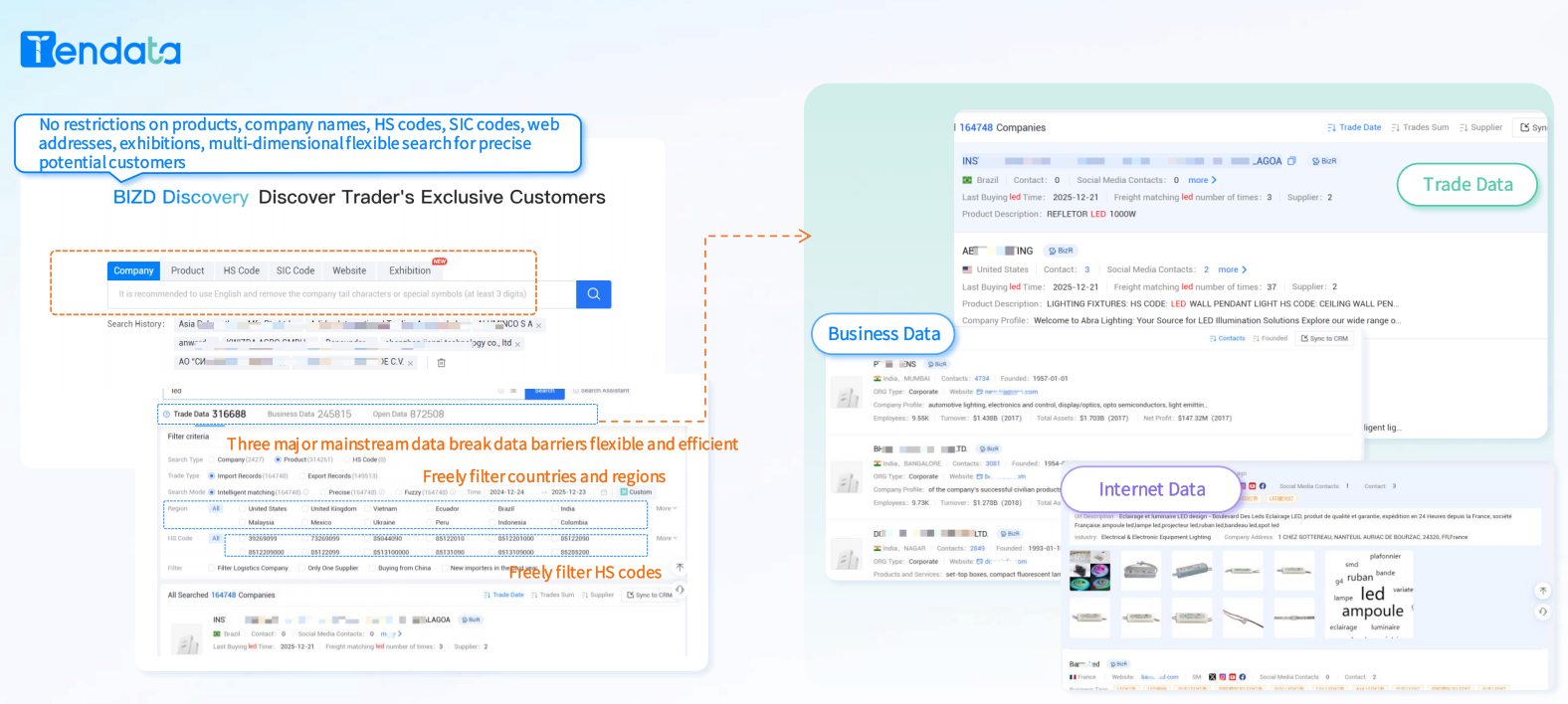
Raw customs data is a tangled web of shipment details, commodity codes, and international trade routes. Turning this into something useful starts with heavy cleaning—removing duplicates, reconciling mismatched units, and standardizing company names across countless entries. The real magic happens when you overlay contextual information, such as industry benchmarks or seasonal demand shifts. Suddenly, a simple shipment of machine parts can reveal a competitor’s new supplier strategy or an untapped regional demand surge.
Analysts then track patterns that aren’t obvious at first glance. Instead of just counting containers, they look at frequency changes, shipment sizes over time, and sudden port shifts. A consistent drop in volume from a specific supplier might signal a quality dispute, while a new low-volume route could indicate a market test. These signals become early indicators of commercial moves—often months before official announcements.
Finally, the refined information gets translated into plain-language reports that sales teams and product managers actually use. Charts are stripped of unnecessary complexity, and trends are tied directly to business decisions: which accounts to prioritize, where to adjust pricing, or when to secure extra warehouse space ahead of a customs clearance backlog. That’s the shift from data points to decisions.
Finding Trustworthy Suppliers Beyond the Obvious Sources
When looking for dependable partners, it is easy to get stuck in the same few directories or trade platforms. While those have their place, they attract countless competitors and often present a polished but shallow view of a supplier’s true capabilities. Going beyond the obvious means tapping into industry networks, such as niche trade associations or specialized forums where genuine feedback circulates. Direct referrals from peers in adjacent fields can also uncover hidden gems that never advertise widely, giving you access to vendors whose reputation is built on consistent delivery rather than marketing spend.
Another path involves observing who your potential competitors or complementary businesses rely on. Publicly available shipping manifests, customs records, or trade show participant lists can reveal the supply chain footprints of established brands. Attending smaller, thematic exhibitions rather than the mega–trade fairs often leads to deeper conversations and less scripted interactions. In these settings, you can gauge not only a supplier’s material quality but also their problem-solving mindset—how they handle customization requests or unexpected challenges tells you far more than a glossy brochure ever could.
Finally, do not underestimate the power of on-site discovery. A visit to an industrial cluster—whether for textiles, electronics, or furniture—lets you walk through production floors unannounced, observing workflows and employee conditions. Digital tools like remote video audits can offer a window when travel is not possible, but nothing replaces the feel of a factory floor and the off-the-cuff answers from line workers. True trust is built through these layered, human-centric approaches that move beyond the surface and into the operational heart of a business.
Turning Raw Trade Numbers Into Competitive Advantage
Trade data often arrives as a flood of figures—exports, imports, tariff codes, shipping volumes. At first glance, it’s just noise. But the companies that pull ahead are the ones that see patterns where others see chaos. They sift through the raw numbers to spot demand surges before competitors, identify supply chain bottlenecks, or detect a shift in sourcing trends that signals a new market opening. This isn’t about having access to data; it’s about building the internal capability to ask the right questions and act on the answers faster than anyone else.
The real advantage lies in connecting the dots between seemingly unrelated metrics. A dip in imports of a specific component might hint at a supplier’s production issues, giving you weeks to secure alternative sources. A steady rise in export volumes to a secondary city could reveal an underserved customer base worth localizing for. These insights don’t emerge from standard reports; they come from custom analysis that blends trade figures with on-the-ground intelligence, turning hindsight into foresight.
Ultimately, raw numbers are just the starting point. The magic happens when teams stop treating trade data as a backward-looking record and start using it as a forward-looking tool. It’s about moving from passive observation to active strategy—whether that means renegotiating contracts based on tariffs fluctuations, designing products for emerging demand profiles, or entering partnerships that exploit logistical gaps. In a world where everyone has access to the same datasets, competitive edge comes from interpreting what the numbers actually mean before anyone else does.
What Global Buyers Really Use to Verify Partners
Beyond the glossy company profile and a handful of scanned certificates, experienced buyers lean heavily on digital tracking platforms that pull real-time shipment data, factory compliance updates, and even social listening tools to spot red flags before they sign a contract. They cross-check supplier claims with customs databases, port records, and satellite imagery of facilities—verification has shifted from periodic audits to continuous, stealthy monitoring.
Word of mouth still travels fast, but now it’s backed by verifiable transaction histories on third-party B2B platforms and industry forums where payment delays or quality disputes leave permanent traces. More buyers are also sending independent inspectors for unannounced visits, or hiring local agents to place small test orders under a different identity, ensuring what they saw during the official factory tour matches daily reality.
The Unexpected Ways Import Data Predicts Demand Shifts
Tracking container volumes at major ports often reveals demand shifts long before official reports. For instance, a sudden surge in imports of raw materials like lithium or semiconductor components can signal a future spike in electronics manufacturing. These patterns aren’t always obvious—shipping data from a single port in a small country might foreshadow a global trend, simply because that location is a key supplier for a niche industry. The trick is connecting these micro-signals to broader consumption behaviors without falling for statistical noise.
Import data also hints at demand through unexpected categories. A steady rise in imported packaging machinery, for example, might mean consumer goods companies are preparing for higher production volumes months out. Similarly, unusual spikes in used machinery imports often point to emerging markets scaling up local manufacturing to meet upcoming regional demand. These indirect indicators are easy to overlook, yet they frequently prove more reliable than surveys or sentiment indexes because they reflect concrete financial commitments.
Seasonal distortions aside, the velocity of customs clearance can be just as telling. When border delays for certain product classes decrease, it often indicates that importers are prioritizing speed over cost—a classic sign that they anticipate strong and immediate demand. Conversely, a buildup of certain goods in bonded warehouses quietly signals an expected slowdown. These operational signals rarely make headlines, but they offer a ground-level view of shifting demand that spreadsheet forecasts simply can’t capture.
FAQ
Several providers dominate the market, including Panjiva (S&P Global), Trade Data Monitor, ImportGenius, and UN Comtrade. Each offers unique strengths, from shipment-level details to comprehensive bilateral trade flows.
Panjiva leverages S&P Global's extensive supply chain data, offering granular shipment records, supplier mapping, and corporate linkage tools. It's particularly favored for supplier risk analysis and sourcing decisions.
Trade Data Monitor compiles official customs statistics from over 100 countries, updating monthly. Its strength lies in harmonized HS code classifications and long time-series data, ideal for tracking global trade patterns and policy impacts.
ImportGenius focuses on U.S. import data, providing detailed manifests with actual buyer-seller relationships. It's popular among sales teams for identifying competitors' supply chains and among analysts for market entry studies.
UN Comtrade is the go-to free database, covering detailed bilateral trade by commodity for most nations. The World Bank’s WITS platform also integrates tariff and non-tariff measures, useful for trade policy analysis without subscription costs.
Platforms are increasingly integrating AI for predictive analytics, such as demand forecasting and disruption alerts. Real-time data feeds and ESG-linked supplier ratings are also emerging, moving beyond historical reporting to proactive insights.
Conclusion
In today's fast-paced global market, companies rely on comprehensive trade databases to uncover hidden patterns and gain a competitive edge. These platforms turn raw shipment numbers into actionable intelligence by analyzing customs records, bill of lading details, and real shipment data. Rather than simply listing potential partners, they allow businesses to spot emerging demand shifts, verify suppliers beyond generic directories, and deeply assess trade relationships. For instance, a manufacturer might use historical import trends to anticipate raw material shortages, or a retailer could detect a rising product category in a targeted region before competitors jump in. Such insights are rarely obvious from surface-level data; they require digging into transactional details like port movements, consignee histories, and shipment frequencies.
Beyond discovering trade flows, the best database providers empower companies to find trustworthy partners and convert complex trade figures into measurable competitive advantage. Global buyers commonly audit potential suppliers by examining their actual export records, shipment consistency, and customer portfolios—transforming verification into a due diligence practice that goes far beyond standard certifications. Unusual spikes in a buyer’s import volume, for example, often foreshadow upcoming promotional campaigns or store expansions, enabling suppliers to proactively adjust inventory. This kind of data-driven approach turns the traditional guesswork of international sourcing into a strategic routine, making it possible to stay ahead of market shifts while mitigating supply chain risks. Ultimately, access to reliable, detailed, and current trade intelligence is what separates reactive operations from those leading their industries.
Contact Us
Contact Person: Grace
Email: [email protected]
Tel/WhatsApp: +86 18721992033
Website: https://www.tendata.com