

Top Oil Immersed Transformers: Essential Features and Applications
2026-08-08
Oil immersed transformers remain the backbone of modern power grids, quietly ensuring reliable energy flow across industries and cities. But what sets the best apart from the rest? In this exploration of top-tier oil immersed transformers, we uncover the essential features that drive performance, longevity, and safety—from advanced cooling systems to robust insulation. As you delve into these insights, you'll see why engineers worldwide turn to Deepwill for solutions that marry proven technology with forward-thinking design. Whether it’s for substations, renewables, or industrial plants, understanding these critical applications will change how you evaluate transformer options.
Unveiling the Core: What Makes Oil Immersed Transformers Indispensable
The secret behind the unwavering reliability of oil immersed transformers lies in their elegantly simple yet highly effective design. By submerging the core and windings in high-grade insulating oil, these units achieve a level of thermal management and dielectric strength that air-cooled alternatives struggle to match. The oil doesn't just carry heat away from the hotspots; it actively prevents oxidation and extends the life of internal components by forming a protective barrier against moisture and contaminants.
What truly sets them apart in demanding industrial and utility environments is their ability to handle sustained overloads without breaking a sweat. The liquid medium absorbs and dissipates heat so efficiently that these transformers can ride through temporary spikes that would cripple less robust designs. This inherent thermal inertia, combined with the self-healing nature of the oil when it comes to minor dielectric faults, makes them the go-to choice for installations where downtime is simply not an option.
Thermal Mastery: How Oil Cooling Sustains Transformer Longevity
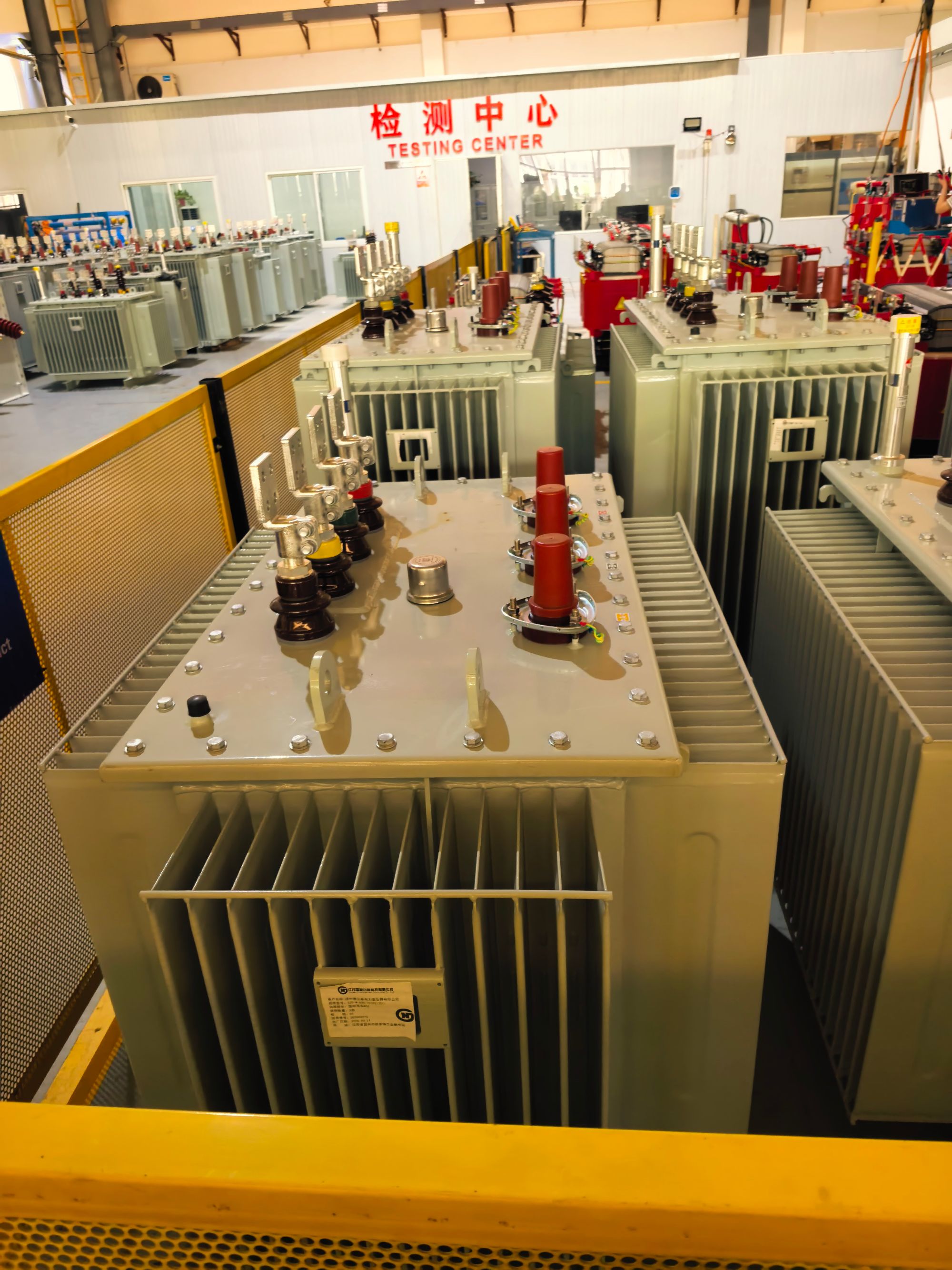
Heat is the silent killer of transformers, steadily degrading insulation and shortening operational life. By submerging windings in specially refined mineral oil, heat gets carried away from the core through natural convection—the oil heats up, rises, cools at the tank walls, and cycles back down. This gentle but relentless loop keeps temperatures in check without any moving parts, proving that sometimes the simplest solutions are the most elegant.
As loads fluctuate, the oil doesn’t just cool; it acts as a thermal buffer. Its high specific heat capacity absorbs sudden temperature spikes, preventing hot spots that can carbonize paper insulation. Meanwhile, the oil’s dielectric strength adds a layer of electrical insulation, meaning every cubic inch works double duty. Field technicians often note how a well-maintained oil-filled unit runs noticeably cooler to the touch than its dry-type cousins, a tangible sign of this dual-purpose design.
Longevity hinges on keeping that oil in prime condition. Over time, oxidation and moisture creep in, dulling its cooling efficiency. Proactive sampling and regeneration—removing acids and sludge—restore its vitality, essentially giving the transformer a second life. It’s a quiet partnership: the oil sacrifices itself to protect the solid insulation, and in return, regular care keeps the cycle going for decades.
Insulation Integrity: The Silent Guardian of Electrical Stability
Beneath the hum of transformers and the quiet flow of current through miles of cable, insulation works tirelessly—often overlooked, yet absolutely critical. Think of it as the immune system of an electrical network: invisible when healthy, catastrophic when compromised. A pinprick void in a generator winding or a slowly degrading bushing can set the stage for a phase-to-ground fault that brings an entire substation to its knees. Unlike the showier circuit breakers or gleaming switchgear, insulation integrity never announces itself until the moment it fails, and by then, the damage is already done.
What makes insulation both fascinating and treacherous is that it rarely fails without warning signs—they're just easy to ignore. Partial discharge activity, that faint crackling inside a cable termination, is literally the sound of insulation unraveling one electron at a time. Moisture ingress doesn't just reduce dielectric strength; it creates a slow chemical attack that embrittles otherwise robust materials. Temperature cycling, that daily expansion and contraction, works like a fatigue test that no one scheduled. Field experience shows that most catastrophic insulation failures follow months of subtle clues: an uptick in tan delta readings, a slight drop in insulation resistance on a damp morning, a pattern of overvoltages that seemed within limits. The art lies in recognizing these whispers before they become screams.
Modern monitoring tools have transformed insulation from a passive component into an active dialogue, but they're only as good as the curiosity of the people interpreting them. Online partial discharge sensors can catch defects that offline tests miss entirely; dissolved gas analysis tells a story of thermal and electrical stress hidden inside sealed transformers. Yet no algorithm replaces the seasoned engineer who notices that two seemingly normal readings don't quite fit the historical fingerprint of that specific asset. The silent guardian of electrical stability doesn't demand constant attention—it demands respect for the physics that govern it, and a healthy distrust of the word "normal" when no one has checked what normal should look like for that particular piece of equipment, under those specific conditions, on that exact day.
Adapting to Extremes: Oil Transformers in Harsh Environments
Oil-filled transformers face relentless challenges when deployed in extreme conditions—from scorching deserts to freezing tundra. The insulating oil, typically mineral oil, must maintain its dielectric strength and cooling efficiency across a wide temperature range. At high temperatures, oxidation accelerates, leading to sludge formation that can clog cooling ducts and reduce heat dissipation. Special additives and synthetic ester oils are often employed to resist thermal degradation, ensuring the transformer remains operational even under prolonged thermal stress.
In cryogenic environments, the oil’s viscosity can rise dramatically, hindering circulation and compromising insulation. Heaters or special low-temperature oil blends are integrated to maintain fluidity. Additionally, extreme humidity or saline atmospheres demand robust sealing systems and corrosion-resistant materials. Gaskets and breathers are upgraded to prevent moisture ingress, which can degrade insulation and cause partial discharges. Some designs incorporate nitrogen blankets or desiccant breathers to preserve oil integrity.
Beyond temperature and moisture, physical hazards like seismic activity or high winds require reinforced structural components. Transformers in coastal or industrial zones face accelerated corrosion from salt and chemicals. Advanced coatings, stainless steel fittings, and site-specific adaptations—such as elevated platforms in flood-prone areas—extend service life. These tailored engineering solutions allow oil transformers to deliver reliable power in the world’s most unforgiving environments.
From Power Plants to Skyscrapers: Where These Transformers Shine
Power plants rely on massive transformers to step up voltage for efficient long-distance transmission, but their role doesn't stop at the generating station. In industrial zones, rugged units handle fluctuating loads from heavy machinery, while specialized designs keep data centers humming even during voltage sags. These workhorses seamlessly bridge the gap between raw generation and the delicate electronics powering modern life.
Step into a commercial high-rise, and you'll find dry-type transformers tucked into electrical closets, quietly distributing power without the fire risk of liquid-filled models. They're designed to handle the nonlinear loads of LED lighting, elevators, and HVAC systems without breaking a sweat. Meanwhile, in residential neighborhoods, pad-mounted transformers sit unassumingly on concrete pads, stepping voltage down to safe levels for homes while withstanding weather extremes.
Hospitals and transit systems demand a different breed: cast-coil transformers with harmonics-mitigating features that keep MRI machines and railway signals stable. Even renewable energy farms lean on step-up transformers with high-frequency switching capabilities to integrate solar and wind power into the grid. From the hum of a substation to the silent reliability of an office building's electrical backbone, transformers prove their versatility every day.
Beyond Basic Protection: Advanced Safety Mechanisms in Modern Designs
Stepping past the familiar realm of seatbelts and airbags, today's safety engineering operates on an entirely different level. It's no longer just about surviving a collision; the focus has shifted to anticipating and avoiding danger before it materializes. This philosophy manifests in systems that quietly monitor driver alertness, subtly adjust vehicle dynamics when a skid is detected, and even momentarily tighten seatbelts when radar senses an imminent threat. These aren't flashy add-ons—they're deeply woven into the vehicle's electronic architecture, processing a constant stream of data from cameras, lidar, and ultrasonic sensors to build a real-time safety net around the occupants.
What makes modern mechanisms truly advanced is their predictive intelligence. Consider how a car now reads traffic signs and cross-references that information with GPS data to alert a driver about a sharp curve ahead, even if it's obscured by fog. Or the way adaptive headlights pivot into a turn, illuminating hazards that fixed beams would miss. Inside the cabin, changes are just as profound: new airbag designs deploy with varying force depending on the severity of impact and the occupant's position, while post-collision systems can automatically cut fuel lines, unlock doors, and send an emergency call with precise location details. It's a layered, cooperative effort where every sensor and actuator plays a role in a larger protective strategy.
Perhaps most striking is the invisible nature of this progress. There's no steering wheel vibration when a pedestrian-detection algorithm classifies a moving object at the edge of the road, no dashboard light when millimeter-wave radar tracks the vehicle two cars ahead that just braked hard. The magic happens in milliseconds, as control units weigh thousands of data points and decide whether to pre-charge brakes or nudge the steering. It's engineering that respects the driver's intelligence while compensating for human limitations—fatigue, distraction, blind spots—without ever feeling intrusive. In that seamless integration, safety becomes not a feature you use, but a constant, quiet companion on every journey.
FAQ
Oil immersed transformers are units where the core and windings are submerged in insulating oil, which serves both as a coolant and dielectric medium. They remain a backbone of power grids because the oil effectively dissipates heat generated during operation, allowing higher power ratings in a compact design. Their robust construction and long service life—often exceeding 30 years—make them a cost-effective choice for utilities and heavy industries.
Beyond the magnetic core and copper or aluminum windings, the reliability hinges on the conservator tank that accommodates oil expansion, breathers that keep moisture out, and Buchholz relays that detect internal faults early. The paper-oil insulation system withstands high electrical stresses, while radiators or cooling fins maintain optimal temperature. Together, these features enable safe operation at transmission-level voltages.
The mineral oil—or increasingly, eco-friendly ester fluids—transfers heat away from the windings and core through natural convection or forced circulation. At the same time, its high dielectric strength prevents arcing between live parts. The oil also impregnates the cellulose insulation, filling voids and boosting the overall breakdown voltage, which is crucial for preventing short circuits under surge conditions.
Outdoors, oil immersed transformers excel because their sealed, weather-resistant tanks protect internals from rain, dust, and temperature swings. They handle higher loads and voltage levels more efficiently, and the oil's thermal capacity buffers short-term overloads. Unlike dry-type transformers that rely on air for cooling—and thus need larger clearances—oil units can be more compact, which simplifies siting in substations with space constraints.
They're critical in power generation plants, metal smelters, chemical processing, and large-scale manufacturing where reliable bulk power is needed. Oil transformers are also the go-to for utility distribution and transmission substations, railway traction systems, and mining operations. Any setting that demands continuous operation at high kVA or MVA ratings, often in harsh environments, tends to favor oil immersed designs.
Regular oil sampling and dissolved gas analysis can catch developing issues like overheating or partial discharges before they cause failure. Keeping the conservator and breathers functional prevents moisture ingress, while visual inspections for leaks or corrosion help avoid catastrophic oil loss. Fire safety measures, such as bund walls and adequate clearances, are essential, especially when mineral oil is used. Proactive upkeep can double the service life beyond the typical three-decade mark.
Conclusion
Oil immersed transformers remain a cornerstone of modern power systems, combining a rugged core design with sophisticated thermal and insulation technologies. The oil itself does far more than just cool; it actively circulates through windings and core, pulling heat away from critical parts and dissipating it through radiators or external coolers. This thermal mastery prevents hot spots that would otherwise accelerate aging and cause premature failure. Paired with high-grade cellulose or aramid insulation that has been carefully dried and impregnated, the oil creates a barrier against electrical breakdown, maintaining dielectric strength even under fluctuating loads. These elements work together to deliver unwavering electrical stability, making these transformers the first choice for utilities that cannot afford unexpected downtime.
Beyond standard installations, oil immersed transformers prove their mettle in harsh environments, from arctic cold to desert heat, and in coastal areas where salt spray threatens lesser equipment. Special sealing systems and corrosion-resistant coatings let them operate reliably where others might falter. Their footprint stretches across the entire energy landscape: step-up units at power plants, substation workhorses, and compact versions tucked into the basements of high-rises. Modern designs also integrate advanced safety mechanisms, such as pressure relief devices, Buchholz relays, and on-line dissolved gas analysis, which detect incipient faults before they escalate. This fusion of robust core engineering, adaptive cooling, resilient insulation, and intelligent protection solidifies their role as truly indispensable assets.
Contact Us
Contact Person: Julion
Email: [email protected]
Tel/WhatsApp: 8617351370631
Website: https://www.deyunelectric.com