
Y Strainer Company Guide to Selecting Durable Pipeline Filtration
2026-11-16
You don't think about Y strainers until one fails. Then it's all you think about—the downtime, the repair costs, the nagging question of whether a so-called 'durable' filter was ever really up to the job. That's exactly why we put together this practical guide. It strips away the marketing fluff and gives you the selection criteria that actually matter for pipeline filtration. If you're serious about longevity, keep UPTAI in mind as a benchmark for what durable should mean.
Start with the Right Body Material for Your Line
Choosing the body material isn't just about cost or durability — it sets the tone for every piece you design. A lightweight, breathable fabric like cotton or linen gives off an easy, everyday vibe, while heavier knits or structured blends signal something more polished. Think about how the material drapes, how it feels against skin, and whether it holds shape after a few washes. Those small decisions are what make a garment feel intentional rather than generic.
For a line that feels cohesive, let one or two materials anchor the collection. Maybe you lean into soft brushed jersey for relaxed staples, then bring in a crisp poplin for tailored pieces. This gives you variety without losing that signature hand-feel customers come back for. Also consider seasonality: a summer line might revolve around airy weaves, while fall calls for cozier textures like fleece-backed terry or double-knit blends.
Don't overlook the practical side — shrinkage, pilling, and color retention all affect how your line is perceived after the first wear. Order small swatches and actually live with them: wash them, stretch them, leave them in the sun. The right body material should feel like a quiet superpower — it elevates the design without shouting for attention.
Know Your Mesh: Perforation Size vs. Debris Load
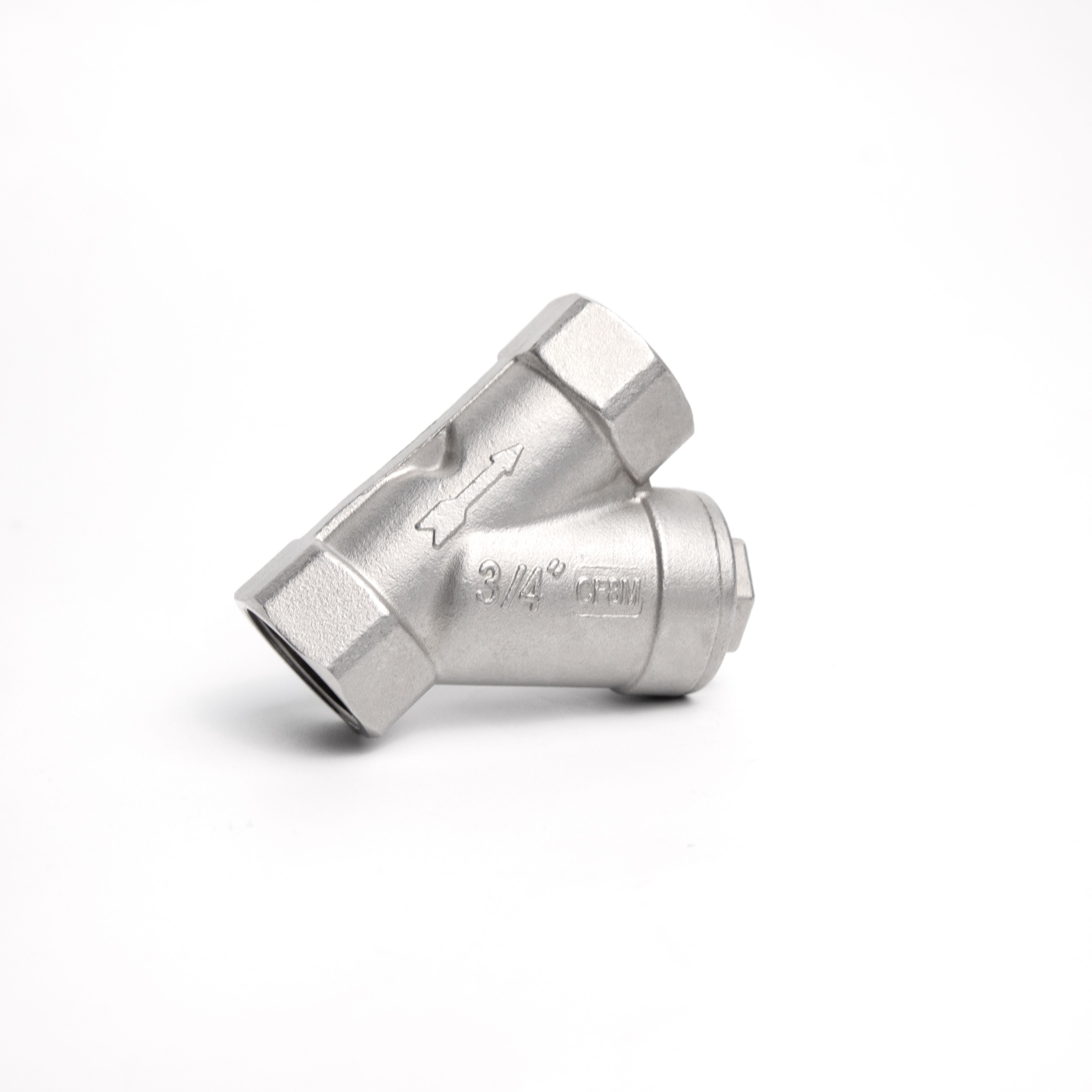
The way a mesh performs in the field often comes down to two things: how large the openings are and how much material is trying to pass through at once. Perforation size sets the ceiling for what can get through, while debris load determines how quickly those openings become a bottleneck. A mesh that looks open on a spec sheet may behave very differently once leaves, dust, or aggregate start piling up.
Larger perforations let debris pass more freely, which helps when the load is heavy or the material is coarse. The tradeoff is that fine particles or unwanted fragments may slip through as well. Smaller openings give you better sorting or protection, but they clog faster under high debris loads, reducing airflow, drainage, or throughput. This is not a flaw in the mesh itself; it is the physical reality of forcing a large volume through a limited open area.
Choosing the right combination means looking at the worst-case debris load, not just the average. If you expect periodic surges, an oversized perforation with a secondary filter or a slotted pattern can keep things moving without sacrificing too much selectivity. Regular cleaning or self-cleaning features matter just as much as hole diameter when debris accumulation is part of the job.
Pressure Drop Is Not a Trade-Off—It’s a Red Flag
Most system operators learn to live with pressure drop as if it were a normal operating expense. They compensate with bigger pumps, accept slower cycle times, or schedule filter changes only when flow becomes painfully low. That mindset turns a clear diagnostic signal into background noise. In a well-designed fluid system, clean-element pressure drop should be low and predictable. When it climbs, the system is telling you something specific: the filter area is undersized, the media is loading faster than expected, or the fluid condition has changed. Treating that climb as “just the cost of doing business” only masks the root cause and quietly inflates energy bills.
Think of pressure drop like a check-engine light. You wouldn’t tape over the dashboard and keep driving. Yet that’s exactly what happens when operators raise pump speed or accept reduced performance to “work around” rising differential pressure. Every psi lost to unnecessary restriction translates directly into wasted kilowatt-hours, additional heat, and accelerated wear on seals and valves. Worse, the underlying issue—contaminant ingression, wrong filter media, or a design bottleneck—gets worse over time. The smart approach is to monitor pressure drop as a leading indicator, not a lagging nuisance. A sudden or steady rise should trigger investigation, not compensation.
Sizing a Y Strainer for Actual Flow, Not Pipe Diameter
Many engineers default to matching the strainer size to the pipe diameter, but that habit can lead to premature clogging, excessive pressure drop, or unnecessary cost. A Y strainer performs best when its open area ratio and screen mesh are selected based on the actual flow rate, fluid viscosity, and the size of particulates you intend to capture. For example, a 4-inch line running at just 30% of its nominal capacity may work perfectly with a smaller strainer body, which increases fluid velocity through the screen and promotes self-cleaning. On the other hand, a high-viscosity fluid in that same 4-inch line might require an oversize strainer to keep the pressure loss within acceptable limits.
To size correctly, start by determining the real flow velocity and the required free screen area. A common rule of thumb is to keep the screen open area ratio at least three to four times the pipe cross-sectional area for clean fluids, but this ratio shifts when dealing with sticky or fibrous solids. You should also account for the strainer's perforation size and mesh lining, since fine mesh drastically reduces the effective open area. Instead of relying on line size alone, calculate the pressure drop across the strainer at actual flow conditions using manufacturer curves or CFD data. This approach prevents both oversized strainers that waste capital and undersized ones that demand frequent manual cleaning.
Field experience shows that a strainer sized for actual flow extends maintenance intervals and protects downstream equipment more reliably. When upgrading or replacing an existing unit, avoid the temptation to simply match flanges. Measure the real flow rate with a flow meter or review pump curves, then select a strainer whose body and screen combination produces no more than 1 to 2 psi clean pressure drop at that flow. If the process stream contains slugging or intermittent debris, consider a larger screen area or a duplex configuration so one side can be cleaned without shutting down. Ultimately, sizing for actual flow rather than pipe diameter is a small engineering effort that pays off in lower energy costs and fewer unplanned shutdowns.
Why Drain Orientation Changes Everything
Most people treat drain orientation as a last-minute detail, but it quietly decides whether water leaves smoothly or lingers where it shouldn’t. A drain that tilts even a few degrees the wrong way can turn a simple fixture into a recurring source of standing water, slow drainage, and trapped debris. Once the outlet points in the right direction, gravity does the work without asking for extra attention.
The real cost of poor orientation shows up weeks or months later, not on installation day. In condensate lines, for example, a backward pitch lets moisture pool inside the pipe instead of flowing out, inviting biofilm, freeze damage, or corrosion in places you can’t easily inspect. The same principle applies to floor drains, appliance trays, and any setup where liquid needs an unobstructed path away from the equipment.
Changing the orientation after walls, floors, or cabinets are closed up often means tearing out finished work just to correct a small angle. That’s why a few minutes spent checking the slope and outlet position before finalizing a layout can eliminate the kind of callbacks that drain time and budgets. When the drain points where it should, everything downstream tends to stay quieter and last longer.
Maintenance Schedules That Keep Filtration Honest
A filter only tells the truth when someone checks the clock. Without a maintenance schedule, pressure gauges become decoration and cartridge changes turn into hopeful guesses. The honest way to run any filtration system is to write down the service intervals and actually follow them — not when flow drops or taste changes, but before those warning signs appear.
Schedules differ by system, but the principle stays the same. Pre-filters might need a monthly rinse, carbon stages often last three to six months, and RO membranes can stretch a couple of years if protected properly. What keeps these numbers honest is recording each service: date, condition, and any small variance you spot. That log turns vague promises into visible proof.
The payoff shows up in the details. Filters that get routine attention hold their rated flow longer, waste less water, and avoid the slow performance drop that's easy to miss day to day. A maintenance schedule doesn't guarantee perfection, but it removes the guesswork — and that's the only way filtration can stay honest.
FAQ
Often it comes down to material mismatch or underestimating the debris load. A carbon steel body in a corrosive line will pit quickly, and a screen with too fine a mesh can clog and collapse under differential pressure. Checking chemical compatibility and expected particle size before installation prevents most early failures.
Stainless steel pays off when the fluid is corrosive, temperatures run high, or cleanability matters. Cast iron works for basic water and non-corrosive fluids where cost is a bigger concern. If the system ever sees chlorides or acids, skip cast iron entirely.
Start with the smallest particle your downstream equipment can tolerate, then go one mesh size coarser to avoid constant clogging. For most pump protection, 20 to 40 mesh handles typical scale and rust. Compressors and fine control valves may need 60 to 100 mesh, but you'll clean the screen more often.
No. Y strainers can run horizontally or vertically as long as the screen leg points downward, or at least sideways where debris can collect without blocking flow. For vertical lines with downward flow, point the leg against the flow so debris falls into the pocket instead of washing through.
A clean strainer typically adds between 0.5 and 2 psi, depending on mesh size and flow velocity. If you see more than that, the screen is either too fine or the strainer is undersized. A sudden jump in pressure drop usually means it's time to open the blowdown or pull the screen.
Y strainers suit smaller line sizes and tighter spaces because they install inline and don't need a large housing. They handle lower debris loading well and cost less to install. Basket strainers earn their keep in larger lines or processes where you dump a lot of solids and want longer intervals between cleanings.
Only for light, loose debris. Blowdown helps extend intervals between full cleanings, but sticky or fibrous material will stay trapped. Plan to isolate and remove the screen periodically, especially if pressure drop doesn't recover after opening the valve.
Frequent clogging, high pressure drop even after cleaning, and visible flow restriction are the main clues. If the strainer body diameter is much smaller than the pipe or the open area ratio falls below 3:1 relative to the pipe cross-section, it's probably strangling the system. Upsizing the body or choosing a larger mesh open area usually solves it.
Conclusion
Choosing a durable Y strainer begins with matching the body material to the actual fluid and environment—carbon steel for high-pressure steam, stainless steel for corrosive chemicals, or bronze for marine service. Yet material alone won't keep debris in check. The mesh or perforation size has to be selected for the real particle load; a screen that's too fine will clog in days, while one that's too coarse lets damaging solids through. More critically, pressure drop across the strainer is not a parameter to compromise on or simply accept. A climbing differential is a clear warning that the screen is loading up and needs attention before the system starves or the element collapses under load.
Sizing also demands more than matching nominal pipe diameter. A Y strainer should be chosen for actual flow rate and velocity, ensuring the open area ratio is high enough to avoid unnecessary pressure loss. Drain orientation often gets overlooked but changes everything in daily operation: a side-mounted drain on a horizontal line allows quick blowdown, while a downward-facing drain can trap sediment or create a messy, hard-to-clean situation. Finally, maintenance schedules should be driven by real operating conditions—differential pressure readings, batch cycles, or seasonal changes—not just calendar dates. That condition-based approach keeps filtration honest, reduces unexpected downtime, and extends the service life of both the strainer and the downstream equipment it protects.
Contact Us
Contact Person: Adonis
Email: [email protected]
Tel/WhatsApp: 8615858822657
Website: https://www.uptaivalve.com